

Key Takeaways
- Always run a vehicle history report before committing to any used car purchase.
- A pre-purchase inspection by an independent mechanic can reveal costly hidden problems.
- Check the title, odometer statement, and any open recalls before signing anything.
- Test-drive the car in multiple conditions - highway speeds, stop-and-go, and parking.
- Know your walk-away conditions before you arrive so emotions don't override your judgment.
What you will need
Why Buying Used Requires More Due Diligence
A used vehicle comes with a history you didn't write. Unlike a new car, where the manufacturer's warranty and factory condition give you a baseline, a used car reflects every owner, every mile, and every maintenance decision made before you arrived. That's not a reason to avoid the used market - it's a reason to approach it systematically.
The good news: most problems are discoverable before you buy, if you know where to look. The steps below walk through a structured approach - from a remote VIN check to a final walk-away decision - designed to protect your money without requiring expert-level mechanical knowledge.
What you will need
Before diving into the inspection process, it helps to understand the different environments where you might be shopping. Buying from a private seller versus a dealership involves meaningfully different protections, pricing dynamics, and paperwork - worth understanding before you make an appointment.
Tools You'll Need
Vehicle History Report
Reveals title status, accident history, odometer readings, and number of previous owners using the VIN.
NHTSA Recall Lookup
Checks whether the vehicle has any open, unaddressed safety recalls using the VIN at nhtsa.gov.
Independent Mechanic
Performs a pre-purchase inspection to identify mechanical, electrical, or structural issues not visible to the naked eye.
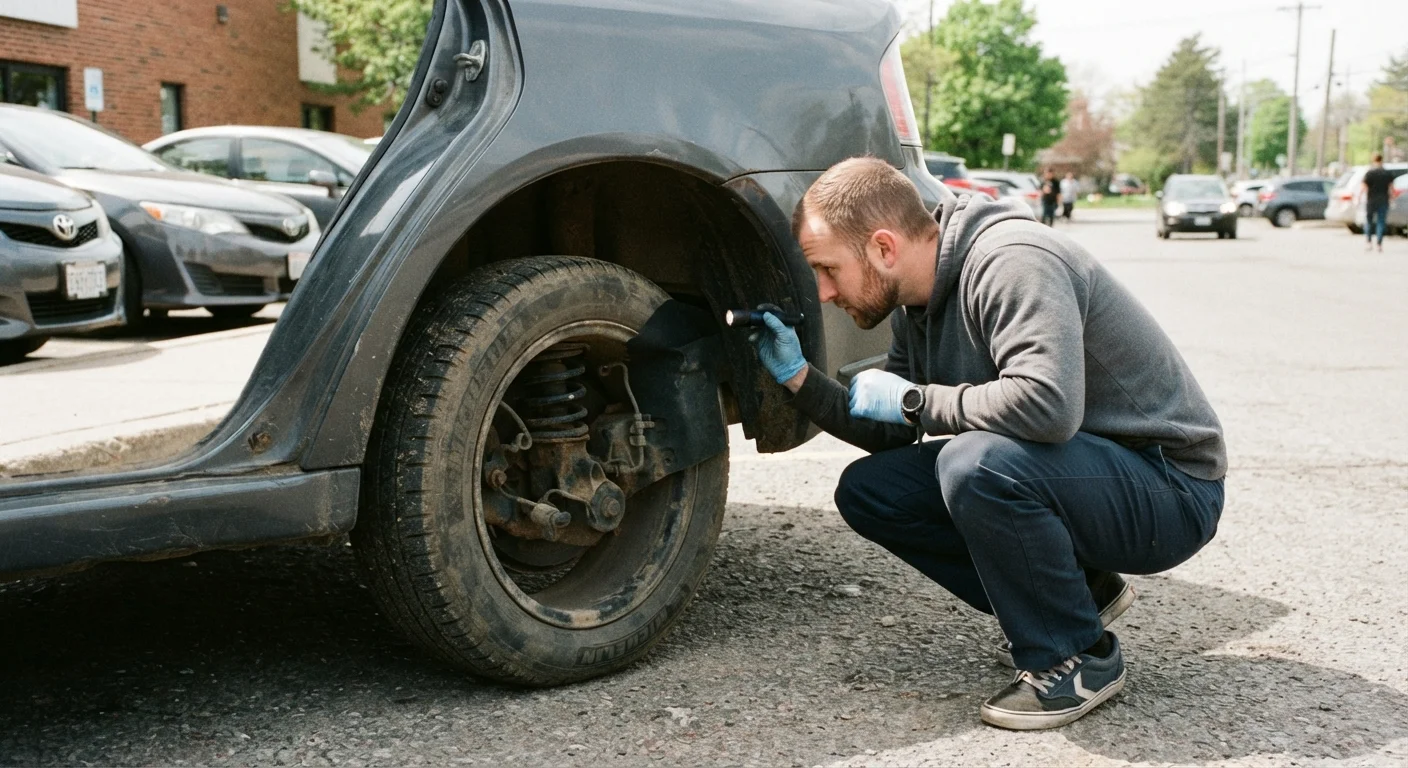
Flashlight
Illuminates hard-to-see areas under the hood, beneath the car, and inside the wheel wells.
OBD-II Scanner
Reads stored diagnostic trouble codes from the vehicle's computer to flag hidden engine or emissions issues.
You don't need to show up like a mechanic - but a few basic tools and resources will significantly improve your ability to evaluate any vehicle honestly. The most important preparation you can do before visiting a car is research: price ranges, known issues for that specific model year, and any recall history.
Bring a Checklist to Every Viewing
Emotions can override judgment when you're standing next to a car you like. A printed checklist keeps you systematic and helps you document what you found - useful both for negotiating and for walking away cleanly if something doesn't add up. See our pre-purchase inspection checklist for a ready-to-use version.
Step-by-Step: Inspect, Ask, and Verify
Run the VIN Before You Leave Home
Every vehicle has a 17-character Vehicle Identification Number (VIN) stamped on the dashboard and door jamb. Ask the seller for this number before you visit, then run it through a vehicle history report service. Look for:
- Title status (clean, salvage, rebuilt, or lemon law buyback)
- Reported accidents or airbag deployments
- Odometer rollbacks - readings that decrease over time
- Number of previous owners and how the vehicle was used (personal, rental, fleet)
Also check the NHTSA recall database at nhtsa.gov. Open recalls must be repaired free of charge by a franchised dealer, but only if they're disclosed and addressed.
Inspect the Exterior Systematically
Walk the perimeter of the car in bright, natural light. Uneven panel gaps, mismatched paint sheen, or overspray on trim pieces are signs the car has had bodywork - possibly after an accident not captured in the history report. Check:
- Rust along rocker panels, wheel arches, and the underside of doors
- Glass for chips or cracks (windshield replacement is expensive)
- Tire tread depth and whether wear is even across all four tires
- Frame rails under the hood for kinks or weld seams that don't belong there
Check Under the Hood
You don't need to be a mechanic to spot obvious red flags. With the engine cold, look for:
- Oil condition: Pull the dipstick. Milky or foamy oil suggests coolant contamination - a serious engine problem.
- Coolant reservoir: Low or discolored coolant can signal a leak or overheating history.
- Belt and hose condition: Cracking, fraying, or swelling indicates deferred maintenance.
- Fluid leaks: Look at the ground beneath where the car was parked for oil, coolant, or transmission fluid stains.
If you have an OBD-II scanner, plug it into the diagnostic port (usually beneath the dashboard on the driver's side) to check for stored fault codes before the test drive.
Test-Drive in Real Conditions
A short loop around the block tells you almost nothing. Drive the car for at least 20-30 minutes across a range of conditions:
- Highway speeds to check for vibration, pulling, or wind noise
- Stop-and-go traffic to test the transmission's shifting behavior and brake feel
- A quiet stretch where you can listen without the radio
Pay attention to: hesitation on acceleration, delayed shifts, any warning lights that appear, unusual smells (burning oil, exhaust in the cabin), and whether the steering tracks straight when you ease your grip.
Verify the Paperwork
Before any money changes hands, review these documents in person:
- Title: The seller's name must match the title. If it doesn't, walk away until it does.
- Odometer disclosure statement: Required by federal law for most vehicle sales; it should match what you see on the dash.
- Maintenance records: A documented service history is a strong signal the car was cared for.
- Bill of sale: Captures the agreed price, VIN, date, and both parties' information.
Understand the difference between buying from a private seller and a dealership before this step. Each route carries different paperwork requirements and consumer protections - see our comparison in Private Seller vs. Dealership: Buying a Used Car.
Get the Independent Mechanic Inspection
Schedule this before you finalize any agreement. A qualified mechanic performing a pre-purchase inspection (PPI) will typically check:
- Compression and engine internals
- Brake thickness and condition
- Suspension components and steering linkage
- Frame for signs of collision damage or repair
- Electrical systems and lights
If a seller refuses to allow an independent inspection, that refusal is itself important information. Reputable sellers - private or dealer - generally welcome it.
Know When to Walk Away
Decide your deal-breakers before you arrive - not in the moment. Common conditions that justify walking away include:
- Salvage or rebuilt title when you expected clean
- Mechanic finds structural damage or major mechanical problems
- Seller won't produce a clean title in their name
- History report shows an odometer discrepancy
- Seller pressures you to skip the inspection or decide immediately
For a broader framework on evaluating major purchases before you commit, the pre-purchase checklist for any major decision applies well beyond vehicles. Once you've made a confident purchase, Car Ownership from Scratch covers what comes next.
Never Skip the Independent Inspection
A seller-commissioned inspection or a dealer's in-house check is not a substitute for your own mechanic. Pay for an independent pre-purchase inspection (PPI) at a shop you trust. A $100-$150 inspection fee is far cheaper than discovering a blown head gasket after the sale closes - and a clean PPI strengthens your negotiating position.
Negotiating After the Inspection
A completed inspection - especially one that turns up minor issues - is actually a negotiating asset. Documented findings give you a specific, factual basis to request a price adjustment rather than simply haggling on feel. Sellers who genuinely want to close a deal will often accommodate reasonable requests when you can point to a mechanic's written report.
Understanding how dealership pricing actually works - invoice price, dealer markup, and add-on packages - puts you in a much stronger starting position. Our guide on negotiating at a dealership without feeling outmatched covers that ground in detail.
Rebuilt and Salvage Titles Change Everything
A vehicle with a salvage or rebuilt title has previously been declared a total loss by an insurer. These cars may be roadworthy, but insuring them, reselling them, and financing them can all be significantly harder. Confirm the title status in writing before investing time or money in any inspection.
This article provides general educational information about used vehicle purchases and is not a substitute for professional mechanical, legal, or financial advice. Consult qualified professionals for decisions specific to your situation.