

| Recommended exam frequency | Once per year for healthy adult pets; twice yearly for seniors (American Veterinary Medical Association general guidance) |
| Average exam duration | 20–45 minutes |
| Systems assessed | Eyes, ears, mouth, lymph nodes, heart, lungs, abdomen, skin, joints, weight |
| Common add-on diagnostics | Bloodwork, urinalysis, fecal parasite screening |
| Dental disease prevalence | Affects most dogs and cats by age 3 (American Veterinary Dental College general estimate) |
What a Wellness Exam Actually Covers
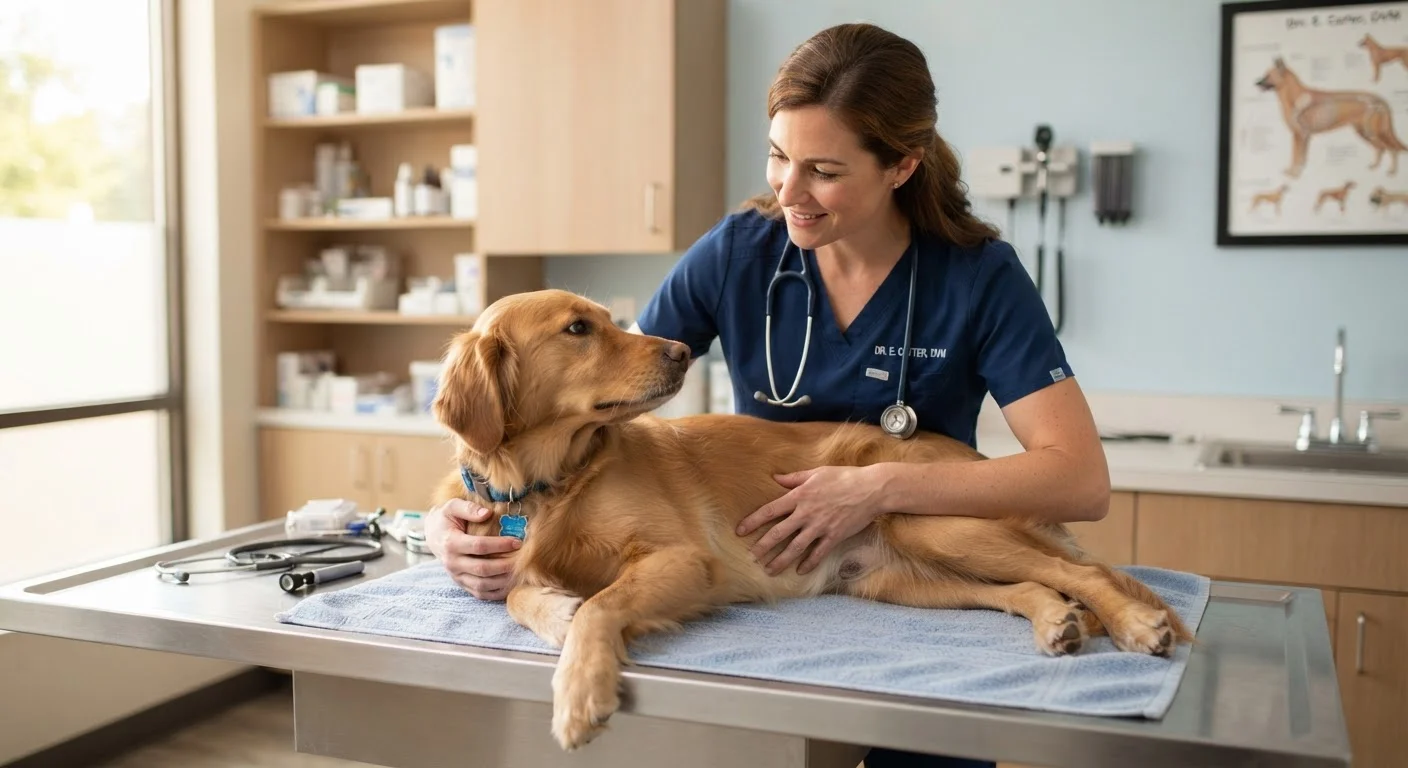
A routine annual wellness exam is far more than a quick look and a vaccine. It's a systematic, nose-to-tail physical assessment that gives your veterinarian a health baseline — and a chance to catch small changes before they become serious problems. Understanding each step can help you arrive prepared and ask better questions.
| Recommended exam frequency | Once per year for healthy adult pets; twice yearly for seniors (American Veterinary Medical Association general guidance) |
| Average exam duration | 20–45 minutes |
| Systems assessed | Eyes, ears, mouth, lymph nodes, heart, lungs, abdomen, skin, joints, weight |
| Common add-on diagnostics | Bloodwork, urinalysis, fecal parasite screening |
| Dental disease prevalence | Affects most dogs and cats by age 3 (American Veterinary Dental College general estimate) |
For a broader picture of why these visits matter, see what a wellness exam covers and why skipping one can matter.
The Head and Neck: Eyes, Ears, Mouth, and Lymph Nodes
Your vet begins at your pet's head, working through several interconnected systems:
- Eyes: Checked for cloudiness, discharge, redness, or signs of pressure that might indicate glaucoma. The pupils' symmetry and the condition of the conjunctiva (the inner eyelid lining) are also assessed.
- Ears: The vet looks for redness, odor, debris, or swelling that could signal infection, mites, or polyps. Chronic ear problems in dogs are among the most common reasons for vet visits.
- Mouth and teeth: Dental disease affects a majority of pets by age three. The vet examines teeth for tartar, gum inflammation, loose teeth, and oral masses. This is often where professional dental cleaning is first recommended.
- Lymph nodes: Swollen nodes under the jaw or around the neck can indicate infection or, less commonly, lymphoma. Palpating them takes only seconds but provides important information.
Body Condition Score (BCS)
A numerical scale (commonly 1–9) veterinarians use to rate a pet's weight and fat distribution. It helps distinguish healthy weight from underweight or overweight status.
Palpation
A hands-on examination technique where the vet uses their fingers to feel organs, lymph nodes, or tissue for abnormal size, texture, or tenderness.
Auscultation
Listening to internal sounds — particularly heart and lung sounds — using a stethoscope. It is a primary method for detecting heart murmurs and respiratory issues.
Conjunctiva
The moist membrane lining the inside of a pet's eyelids. Its color and condition can reflect hydration, infection, or systemic health problems.
Lymph nodes
Small glands distributed throughout the body that filter harmful substances. Enlargement during an exam can point to infection, inflammation, or certain cancers.
Chest, Abdomen, and Skin: Internal Systems and the Body's Outer Barrier
Moving to the torso, the vet uses a stethoscope and hands to evaluate systems you can't see at home:
- Heart and lungs: Listening for irregular rhythms, murmurs, or abnormal lung sounds such as crackling or wheezing. Early heart disease is often first detected here, sometimes years before visible symptoms appear.
- Abdomen: Palpation — gentle pressing — helps assess the liver, spleen, kidneys, bladder, and intestines for unusual size, shape, or sensitivity. A tense or painful belly warrants immediate follow-up.
- Skin and coat: The vet parts the fur to check for fleas, ticks, hair loss, lumps, rashes, or dandruff. Skin condition often reflects underlying nutritional or systemic health issues.
Supporting good skin and organ health at home is part of a longer-term picture. Vet-aligned daily practices can complement what the exam detects.
Limbs, Weight, and Wrap-Up: Mobility, Body Condition, and Next Steps
The final portion covers musculoskeletal health and overall condition:
- Joints and limbs: Each leg is flexed and extended to check range of motion, muscle symmetry, and pain responses. Early arthritis is common in older pets and can be managed more effectively when identified early.
- Body condition score (BCS): Vets assign a score (typically on a 1–9 scale) that reflects whether your pet is underweight, overweight, or at an ideal weight. BCS guides feeding recommendations and flags obesity-related health risks.
- Reproductive system and anal glands: Depending on the pet, this may include checking for testicular abnormalities, mammary gland changes, or impacted anal glands — common sources of scooting behavior in dogs.
After the physical, your vet reviews findings, may recommend lab work such as bloodwork or a urinalysis, and discusses vaccination schedules and parasite prevention. Bring a list of any behavioral or physical changes you've noticed at home — even minor ones.
For more on building healthy routines between visits, explore the Pet Care Basics hub.
This article is for general informational purposes only and is not a substitute for professional veterinary advice. Always consult a licensed veterinarian for guidance specific to your pet's health.