

Key Takeaways
- Move to safety first - get both vehicles out of active traffic if possible.
- Never admit fault at the scene, even casually.
- Document everything with photos before vehicles are moved from final positions.
- Exchange insurance and contact information with all involved parties.
- Report the incident to your insurer promptly, even if damage looks minor.
What you will need
Why the First Few Minutes Matter So Much
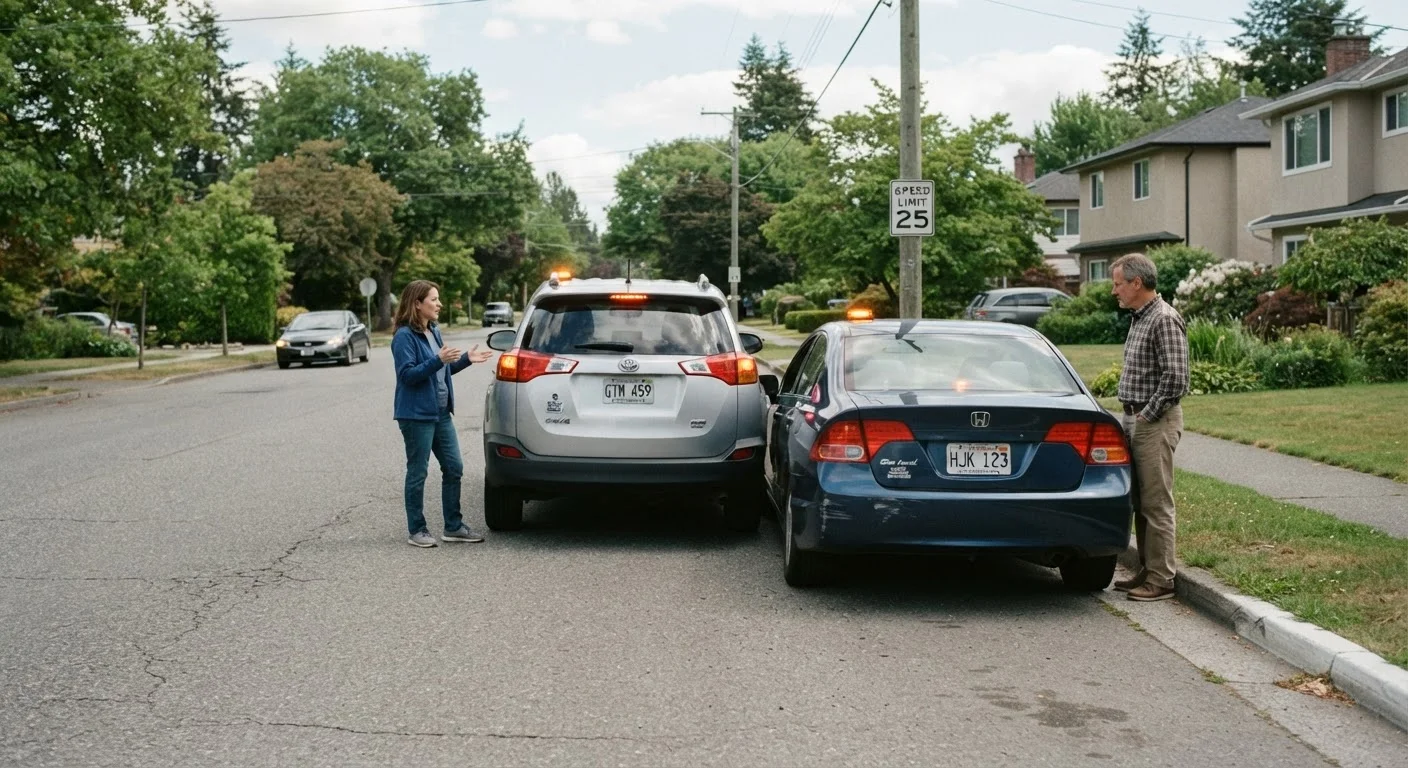
A fender bender is disorienting even when everyone walks away fine. Your heart rate spikes, you're processing what just happened, and you may be in the middle of traffic. The decisions you make - or don't make - in those first minutes directly affect how smoothly your insurance claim goes, whether you face legal liability later, and how safe everyone remains at the scene.
Most people have never had a step-by-step plan for this situation, so they wing it. Some drive away without exchanging information. Others over-share details that hurt their claim. A little preparation changes that entirely. If you haven't already put together a car emergency kit, our guide on roadside emergency preparedness covers what to keep in your vehicle so you're ready before anything happens.
What you will need
Step-by-Step: What to Do at the Scene
Follow these steps in order. They're designed for a standard minor collision - adjust your actions if circumstances change (e.g., if injuries are serious or the other driver is unresponsive, emergency response takes full priority).
Smartphone with camera
Photograph vehicle damage, license plates, the scene, and all documents.
Auto insurance card
Provide your policy number and insurer contact details to the other driver.
Pen and notepad
Write down witness details, officer badge numbers, and incident notes if your phone dies.
Roadside emergency kit
Reflective triangles or flares help alert oncoming traffic while you handle the exchange.
Check for injuries and call 911 if needed
Before anything else, take a breath and assess whether anyone is hurt - yourself, your passengers, and the occupants of the other vehicle. If anyone reports pain, dizziness, or visible injury, call 911 immediately. Do not attempt to move an injured person unless they are in immediate danger from fire or traffic.
Move vehicles out of traffic if safe to do so
If the vehicles are drivable and no one is injured, pull them to the shoulder or a nearby parking lot. Leaving cars in a travel lane creates a serious secondary-accident risk. Turn on your hazard lights the moment the collision occurs and keep them on.
Call the police if required
Many states require a police report for any accident involving injury, death, or property damage above a certain dollar threshold - often as low as $500 or $1,000. Even when it's not legally required, a police report creates an official record that can be invaluable during the insurance claims process. Check your state's specific requirements; when in doubt, call.
Exchange information with the other driver
Collect and share the following with every driver involved:
- Full legal name and contact number
- Driver's license number and issuing state
- License plate number
- Insurance company name and policy number
- Vehicle make, model, year, and color
If there are witnesses, get their names and phone numbers as well.
Document the scene thoroughly
Use your phone to photograph everything before vehicles are moved: damage to all vehicles, their final positions on the road, skid marks, traffic signals or signs nearby, and any visible injuries. Take wide shots for context and close-ups for detail. More photos are always better than fewer.
Notify your insurance company
Contact your insurer as soon as possible - ideally while still at the scene or shortly after. Most insurers have 24/7 claims lines. Prompt reporting is often required by policy terms, and delaying can complicate your claim. Describe only the facts as you know them; avoid speculation about cause or fault.
Watch Out for Delayed Injury Symptoms
Whiplash, concussions, and soft-tissue injuries often don't produce obvious pain until hours or even days after an accident. If you feel any stiffness, headaches, or discomfort in the days following a collision, seek medical evaluation. Keeping a record of symptoms from the start also supports any insurance or legal process that may follow.
This article is for general informational purposes only and does not constitute legal or insurance advice. Coverage requirements, reporting thresholds, and liability rules vary by state. Consult a licensed insurance professional or attorney for guidance specific to your situation.