

| Number of macronutrients | 3 (carbohydrates, protein, fat) |
| Calories per gram of carbohydrate | 4 kcal (Standard nutritional convention) |
| Calories per gram of protein | 4 kcal (Standard nutritional convention) |
| Calories per gram of fat | 9 kcal (Standard nutritional convention) |
| Essential amino acids | 9 (World Health Organization classification) |
| Fat-soluble vitamins | A, D, E, K |
The Basic Divide: Big Nutrients vs. Small Nutrients
When nutrition experts talk about what's in food, they split nutrients into two broad camps: macronutrients and micronutrients. The prefix tells the story - macro means large, micro means small. But the size label refers to how much your body needs, not how important each type is. You need both categories to function well.
Macronutrients
The three main classes of nutrients - carbohydrates, proteins, and fats - that the body requires in relatively large amounts each day. They provide energy (measured in calories) and structural materials.
Micronutrients
Vitamins and minerals needed by the body in very small amounts. They do not provide energy directly but regulate hundreds of biological processes essential to health.
Essential amino acids
Nine amino acids that the human body cannot produce on its own and must obtain through food. They are found in varying combinations across animal and plant protein sources.
Fat-soluble vitamins
Vitamins A, D, E, and K, which dissolve in fat and are stored in the body's fatty tissue and liver. Because they accumulate, both deficiency and excess can have health consequences.
Water-soluble vitamins
Vitamin C and the B-vitamin family, which dissolve in water and are not stored in significant amounts. Excess is excreted in urine, making regular dietary intake important.
Hidden hunger
A term used to describe micronutrient deficiency that occurs alongside adequate or excess calorie consumption. A person can be overfed in energy yet undernourished in vitamins and minerals.
Macronutrients are the three primary fuel sources: carbohydrates, proteins, and fats. Your body requires them in gram-sized quantities every day. Micronutrients - vitamins and minerals - are needed in much smaller amounts (milligrams or micrograms), yet they drive hundreds of processes that keep you healthy. A diet short on either category creates problems, even if the other is plentiful.
This distinction matters practically. It explains why a diet heavy in processed food can leave you simultaneously overfed in calories (macros) and genuinely undernourished in vitamins and minerals (micros) - a pattern nutritionists sometimes call "hidden hunger." Understanding the difference is a foundational step toward eating more intentionally. See the broader guide to nutrition concepts for how these ideas fit into dietary patterns overall.
Macronutrients: What Each One Does
| Number of macronutrients | 3 (carbohydrates, protein, fat) |
| Calories per gram of carbohydrate | 4 kcal (Standard nutritional convention) |
| Calories per gram of protein | 4 kcal (Standard nutritional convention) |
| Calories per gram of fat | 9 kcal (Standard nutritional convention) |
| Essential amino acids | 9 (World Health Organization classification) |
| Fat-soluble vitamins | A, D, E, K |
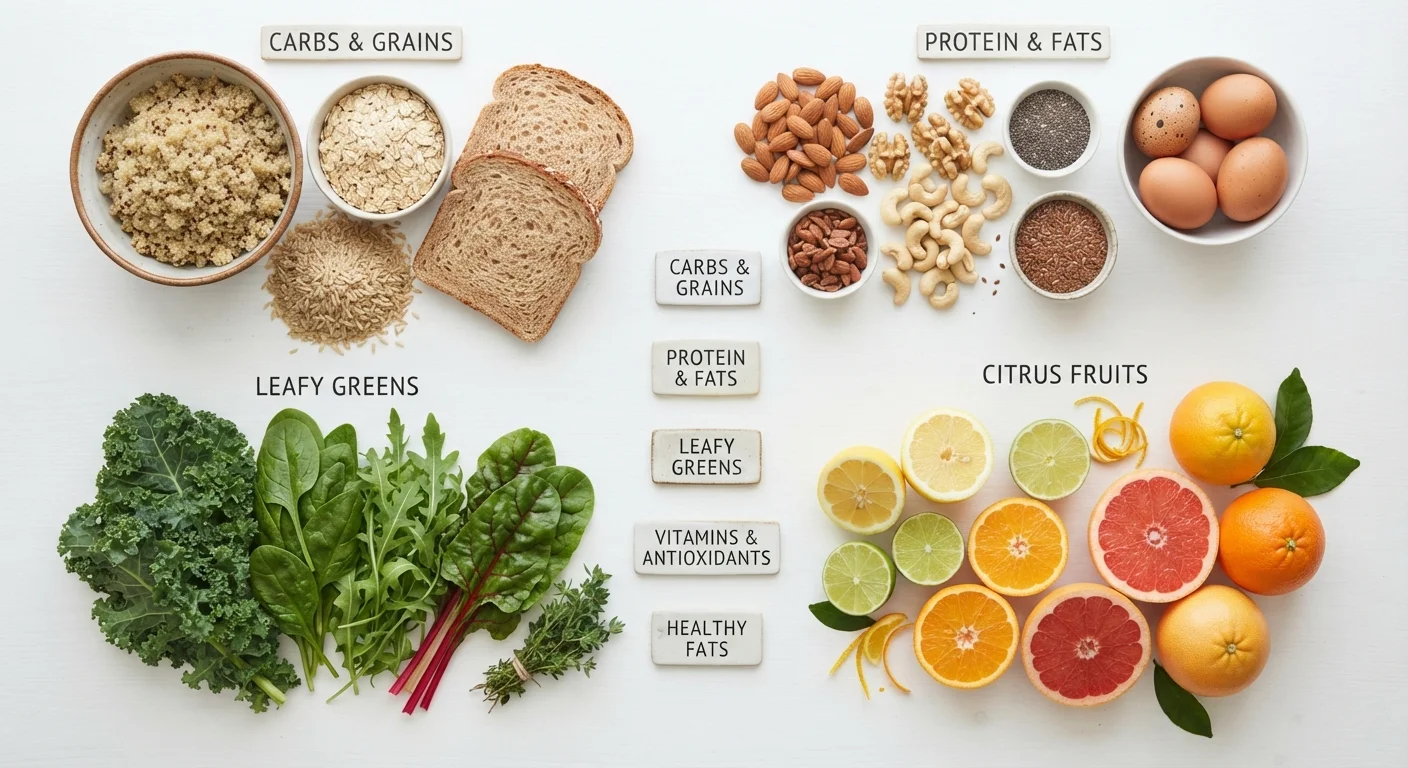
Carbohydrates are your body's preferred energy source. When digested, they break down into glucose, which fuels your brain, muscles, and organs. Whole food sources - vegetables, legumes, whole grains, fruit - also deliver fiber, which supports digestive health and helps regulate blood sugar. Refined carbohydrates (white bread, sugary drinks) deliver energy with far less nutritional value alongside it.
Protein is the building material of the body. It constructs and repairs muscle tissue, produces enzymes and hormones, and supports immune function. Proteins are made of amino acids; nine of these are classified as essential, meaning your body cannot make them and must get them from food. Animal proteins (meat, dairy, eggs) tend to contain all nine. Most plant proteins lack one or more, which is why dietary variety matters for people eating predominantly plant-based diets.
Fats carry a complicated reputation, but dietary fat is essential. It helps absorb fat-soluble vitamins (A, D, E, and K), cushions organs, regulates hormones, and forms cell membranes. The type of fat in your diet matters more than the total amount. Unsaturated fats - found in foods like nuts, seeds, and fish - are generally associated with better cardiovascular health in the research literature. Trans fats, found in some heavily processed foods, are widely considered harmful.
Micronutrients: Vitamins and Minerals at a Glance
Vitamins are organic compounds your body needs for growth, immunity, and energy metabolism. They divide into two groups based on how they're stored. Fat-soluble vitamins (A, D, E, K) are stored in body fat and liver tissue, which means both deficiency and excess can accumulate over time. Water-soluble vitamins (C and the B-complex family) are not stored in meaningful amounts - your body excretes what it doesn't use, so regular dietary intake matters.
Minerals are inorganic elements that support a wide range of functions. Calcium and phosphorus maintain bone density. Iron carries oxygen in the blood. Magnesium supports muscle contraction and nerve function. Potassium helps regulate blood pressure. Zinc contributes to immune response and wound healing. Unlike vitamins, minerals are not destroyed by heat, so cooking methods affect them less.
Supplements Don't Replace Food Variety
Multivitamins and individual supplements are widely available, but research generally shows that nutrients absorbed through whole foods are utilized more effectively by the body than isolated supplements. Whole foods also deliver fiber, antioxidants, and other compounds that work together in ways supplements cannot fully replicate. If you're considering supplementation for a specific concern, discuss it with a healthcare provider first.
Micronutrient shortfalls are common even in countries where calorie intake is adequate. Iron deficiency, for example, remains one of the most prevalent nutritional concerns globally, particularly among women of reproductive age and young children. If you suspect a deficiency, a healthcare provider can order appropriate tests - self-diagnosing and supplementing without guidance can sometimes create imbalances of their own.
Putting Both Together: Practical Implications
The macro/micro framework helps make sense of common nutritional mistakes. Cutting an entire food group to reduce calories often strips away key micronutrients alongside the macros. Eliminating dairy, for instance, removes a concentrated source of calcium and vitamin D. Cutting all fats impairs the absorption of fat-soluble vitamins. Common dietary patterns that tend to backfire often share this structure: they manage one variable while overlooking another.
A more durable approach focuses on food quality and variety rather than macro arithmetic alone. Whole, minimally processed foods tend to deliver both macronutrients and micronutrients together in naturally balanced packages. When you read a nutrition label, the % Daily Values listed for vitamins and minerals reflect the micronutrient side of the equation - information that's easy to overlook when attention goes only to calories and grams.
Supplements can fill specific gaps but are not a substitute for a varied diet. The research on isolated supplements rarely replicates the benefits seen from whole-food nutrient sources. This is an area where individual circumstances vary considerably, so any significant supplementation is worth discussing with a qualified healthcare professional.
This article is for general informational and educational purposes only. It is not medical or dietary advice. Consult a qualified healthcare professional for guidance tailored to your individual health needs.