
Plant-Based Eating vs. Omnivorous Diets: What the Nutritional Trade-offs Look Like

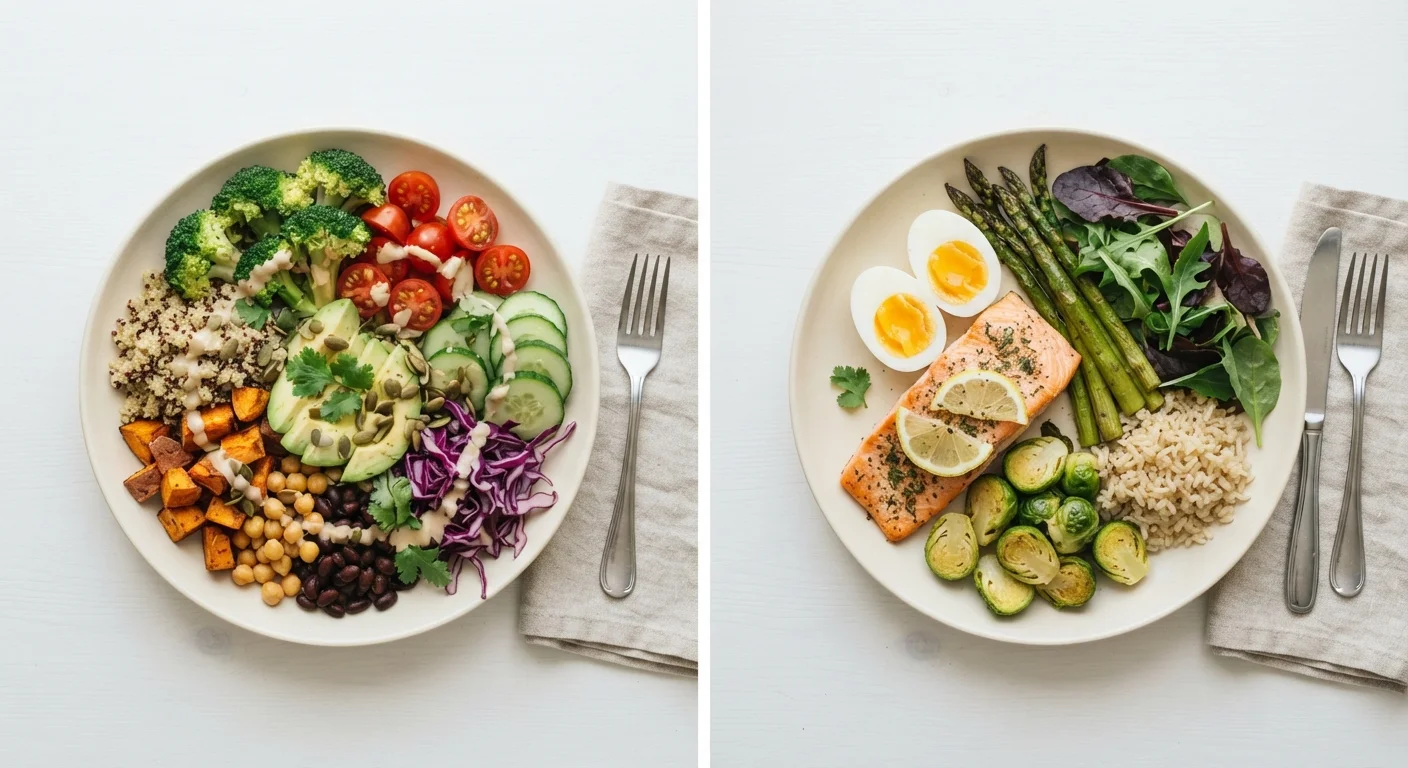
Key Takeaways
- Neither plant-based nor omnivorous diets are universally superior - both require thoughtful planning.
- Plant-based eaters need to monitor B12, iron, calcium, zinc, and omega-3 fatty acids.
- Omnivorous diets risk excess saturated fat and lower fiber intake if not balanced well.
- Food quality within each pattern matters as much as the pattern itself.
- A registered dietitian can help tailor either approach to individual health needs.
Our Verdict
Both plant-based and omnivorous eating patterns can support long-term health, and the evidence doesn't crown a single winner. What determines outcomes most reliably is the overall quality of foods chosen within each pattern - not the label attached to it. Filling nutrient gaps, prioritizing whole foods, and consulting a healthcare professional will serve any eater better than rigid adherence to a dietary ideology.
| Best for | Recommended |
|---|---|
| Those who want a varied diet with minimal nutrient monitoring | Omnivorous diet (with emphasis on whole foods) |
| Those with ethical, environmental, or health-driven motivations to reduce animal products | Plant-based diet (with targeted supplementation) |
| Those at higher risk for cardiovascular disease seeking a lower saturated fat approach | Plant-based diet (consult a healthcare provider) |
| Those managing high protein needs or absorption concerns | Omnivorous diet or hybrid approach with professional guidance |
Why This Comparison Is Worth Having
Nutrition headlines swing between extremes - plant-based diets hailed as transformative, animal proteins defended as essential. If you're trying to make a grounded decision about how to eat, the noise is genuinely unhelpful. Understanding why nutrition advice seems to contradict itself is a useful starting point, but this article goes a step further: a direct, honest comparison of what each eating pattern delivers and where each falls short.
The goal here isn't to declare a winner. It's to give you an accurate picture so you can make an informed choice - ideally with input from a registered dietitian or your primary care provider.
Nutritional Strengths of Each Approach
Plant-based diets - which range from fully vegan to predominantly plant-centered - tend to be high in dietary fiber, antioxidants, folate, potassium, and magnesium. Research consistently associates higher plant food consumption with lower rates of heart disease, type 2 diabetes, and certain digestive conditions. These benefits are largely attributed to fiber intake, reduced saturated fat, and a high concentration of phytonutrients (naturally occurring compounds in plants that support cellular health).
Omnivorous diets - those including both animal and plant foods - offer a broader range of nutrients in their most bioavailable forms. Bioavailability refers to how efficiently the body absorbs and uses a nutrient. Animal foods provide complete proteins (containing all essential amino acids), heme iron (absorbed more readily than plant-based iron), vitamin B12, zinc, and long-chain omega-3 fatty acids (EPA and DHA) without the need for conversion. For a closer look at how protein sources compare, see this overview of animal vs. plant protein.
| Plant-Based Diet | Omnivorous Diet | |
|---|---|---|
| Fiber intake | Typically high | Variable; often lower |
| Vitamin B12 | Supplement usually required | Readily available from animal foods |
| Iron | Non-heme (lower absorption) | Heme iron (higher absorption) |
| Omega-3 (EPA/DHA) | Limited; algae supplements help | Available from fatty fish |
| Saturated fat risk | Generally lower | Higher if red/processed meat is frequent |
| Protein completeness | Requires food combining or planning | Complete proteins readily available |
| Antioxidant & phytonutrient density | Typically high | Depends on plant food intake |
The Nutrient Gaps to Watch
Every dietary pattern has potential weak spots. Knowing yours in advance is practical, not alarmist.
For plant-based eaters: Vitamin B12 is found almost exclusively in animal products, making supplementation generally necessary for vegans and advisable for many vegetarians. Iron from plant sources (non-heme iron) is less readily absorbed; pairing it with vitamin C-rich foods can help. Calcium, zinc, iodine, and long-chain omega-3s (EPA/DHA) are also worth monitoring. Some plant-based omega-3 sources (like flaxseed) provide ALA, which the body converts to EPA and DHA inefficiently.
For omnivorous eaters: The main risks tend to cluster around excess rather than deficiency - particularly saturated fat from red and processed meats, and insufficient fiber if vegetables, legumes, and whole grains are underrepresented. Common nutrition patterns that tend to backfire often center on cutting entire food groups or over-relying on one source - habits that affect omnivores too.
Supplements Don't Replace Dietary Planning
Relying on supplements to paper over a poorly structured diet - in either direction - isn't a reliable long-term strategy. Supplements can fill specific, identified gaps effectively, but they don't replicate the complex nutritional matrix of whole foods. If you're considering significant dietary changes, a blood panel and a conversation with a dietitian will give you a much clearer picture of what you actually need.
Neither gap list is a verdict against either pattern. They're a prompt to plan deliberately.
Food Quality Matters More Than the Label
A plant-based diet built on refined carbohydrates, heavily processed meat alternatives, and sugary beverages doesn't automatically confer the benefits associated with whole-food plant eating. Likewise, an omnivorous diet anchored in processed meats, fast food, and minimal vegetables carries real health risks unrelated to the inclusion of animal products.
Understanding what separates whole foods from processed ones applies equally to both eating patterns. The evidence base for plant-based health benefits is largely drawn from diets emphasizing legumes, vegetables, whole grains, nuts, and seeds - not ultra-processed plant foods.
Focus on What You Add, Not Just What You Remove
Whether you're reducing animal products or simply trying to eat more balanced meals, building a diet around more whole plant foods is a practical move that benefits nearly any eating pattern. Aim to fill at least half your plate with vegetables, legumes, and whole grains as a starting point. Small, consistent additions tend to be more sustainable than sweeping eliminations.
If you're exploring different eating structures, this everyday reference on eating patterns offers a practical overview of how common approaches differ.
This article is for general informational purposes only and does not constitute medical or dietary advice. Speak with a qualified healthcare provider or registered dietitian before making significant changes to your diet, especially if you have an existing health condition.