

Key Takeaways
- Bundling typically means purchasing two or more policies from the same insurer, often home and auto.
- Multi-policy discounts can lower premiums, but the savings vary widely and aren't guaranteed.
- Convenience is real, but consolidating with one insurer can limit your flexibility to shop around.
- Bundling does not change your coverage terms - each policy still has its own exclusions and limits.
- Review each policy individually before bundling to confirm the coverage actually fits your needs.
Single insurer simplifies billing and administration
One payment schedule, one online account, and one customer service contact reduces the overhead of managing multiple policies from different companies.
Multi-policy discounts can reduce total premiums
Many insurers offer a percentage reduction on one or both policies when you bundle, though the actual savings depend on the insurer and your specific situation.
Streamlined claims experience
When a single event affects multiple policies - such as a storm damaging your home and car - dealing with one insurer can make coordination more straightforward.
Relationship may improve service responsiveness
Being a multi-policy customer can sometimes give you more standing with an insurer, which may help when you need to escalate a coverage question or claims issue.
Harder to switch insurers once consolidated
Leaving a bundle means losing the multi-policy discount across all policies at once, which creates a financial barrier to shopping around even when rates rise.
Discount may not outweigh weaker coverage
If the bundled insurer's terms on any individual policy are less competitive than alternatives, the premium savings may come at the cost of meaningful coverage gaps.
Coverage terms remain fixed - bundling doesn't improve them
Each policy's exclusions, limits, and deductibles are set independently. Bundling does not automatically extend or strengthen the terms of any individual policy.
Rate increases affect all policies simultaneously
If your insurer raises rates broadly, every bundled policy is exposed to that increase, removing the pricing flexibility you'd have with separate insurers.
Our Verdict
Bundling can be a genuinely useful strategy for simplifying your insurance management and potentially trimming your premiums. However, it works best when the combined coverage actually matches what you need - not just what's conveniently offered. The discount alone is rarely reason enough to bundle if any individual policy in the package is a poor fit.
Bundling makes the most sense for homeowners who also own a vehicle and want streamlined billing, a single point of contact for claims, and the possibility of a meaningful premium reduction - provided the insurer's coverage terms are competitive on their own merits.
What Bundling Actually Means
Insurance bundling simply means purchasing more than one type of policy from the same insurance company. The most common pairing is homeowners and auto insurance, but some insurers also bundle renters, life, umbrella, or boat policies together.
Insurers typically reward this arrangement with a multi-policy discount - a percentage reduction applied to one or both premiums. The size of that discount varies considerably depending on the insurer, your state, and the specific policies involved. It's general financial education, not a guarantee: always get itemized quotes before assuming a bundle saves you money.
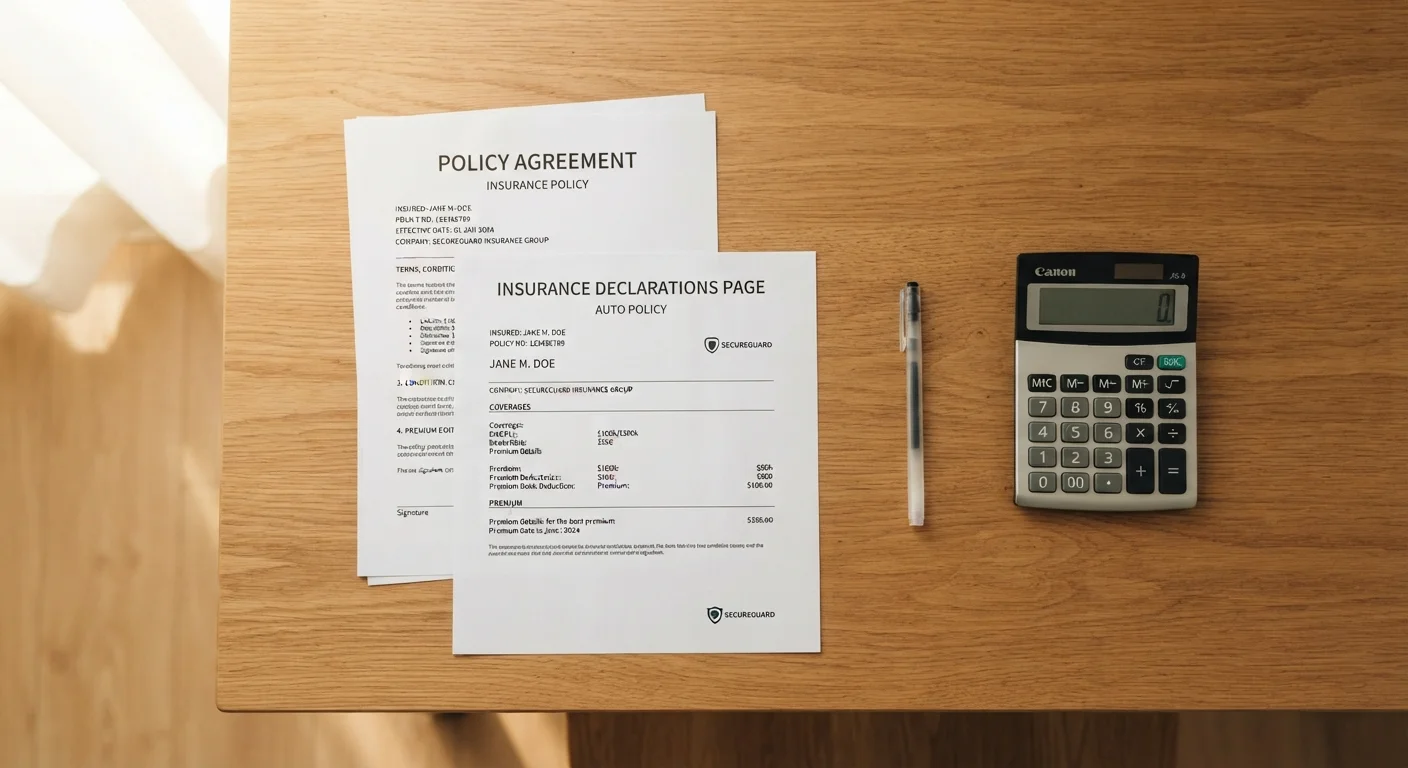
What bundling does not do is merge your policies into one. Each policy remains a separate contract with its own declarations page, deductibles, coverage limits, and exclusions. Before you consolidate, it's worth knowing what to look for before you sign any policy document.
The Real Advantages
There are genuine reasons why bundling is popular, and they go beyond marketing.
Single insurer simplifies billing and administration
One payment schedule, one online account, and one customer service contact reduces the overhead of managing multiple policies from different companies.
Multi-policy discounts can reduce total premiums
Many insurers offer a percentage reduction on one or both policies when you bundle, though the actual savings depend on the insurer and your specific situation.
Streamlined claims experience
When a single event affects multiple policies - such as a storm damaging your home and car - dealing with one insurer can make coordination more straightforward.
Relationship may improve service responsiveness
Being a multi-policy customer can sometimes give you more standing with an insurer, which may help when you need to escalate a coverage question or claims issue.
The administrative simplicity is often underrated. Managing one login, one billing cycle, and one claims phone number removes friction - especially during a stressful event like a car accident or a burst pipe. Some insurers also assign a single agent who handles all your policies, which can speed up communication when you need help fast.
The discount, where it exists, can be meaningful. Insurers value customer retention and the reduced cost of acquiring a multi-policy customer, which is why they're willing to pass some of that value back. That said, the math doesn't always work in your favor - especially if you're locking in weak coverage on one policy just to keep the bundle intact.
The Trade-Offs Worth Knowing
Bundling has drawbacks that don't always get equal airtime in the sales conversation.
Harder to switch insurers once consolidated
Leaving a bundle means losing the multi-policy discount across all policies at once, which creates a financial barrier to shopping around even when rates rise.
Discount may not outweigh weaker coverage
If the bundled insurer's terms on any individual policy are less competitive than alternatives, the premium savings may come at the cost of meaningful coverage gaps.
Coverage terms remain fixed - bundling doesn't improve them
Each policy's exclusions, limits, and deductibles are set independently. Bundling does not automatically extend or strengthen the terms of any individual policy.
Rate increases affect all policies simultaneously
If your insurer raises rates broadly, every bundled policy is exposed to that increase, removing the pricing flexibility you'd have with separate insurers.
The biggest risk is coverage complacency. When everything sits under one roof, it's easy to stop asking whether each individual policy is still the right fit. A yearly policy review becomes even more important once you've bundled, because life changes - a new car, a home renovation, a growing family - can outpace coverage that once seemed adequate.
There's also a pricing trap to watch for. If one insurer raises rates significantly, leaving the bundle means losing the discount on every policy simultaneously, which can feel like being locked in. This dynamic is worth factoring in before you consolidate.
Bundling and Claims History
Some insurers review your claims history across all bundled policies together when calculating renewal rates. This means a claim on one policy could influence how the insurer prices your other policies at renewal. It's a detail that often goes unmentioned in bundling conversations - ask your insurer directly how claims on one policy affect the others.
What Doesn't Change When You Bundle
It's worth being direct about what bundling leaves untouched. Your coverage terms don't improve because you've bundled. Exclusions, sub-limits, and deductibles are set by each policy's language - not by the arrangement between policies. A homeowners policy that excludes flood damage doesn't suddenly cover it because you've added an auto policy from the same carrier.
Claims are also handled separately. Filing a home claim won't affect how your auto claim is processed, and vice versa - though some insurers do consider your overall claims history across policies when renewing. This is a detail worth asking about directly.
For a deeper look at how coverage language actually works, reading an insurance policy without getting lost walks through the key sections that matter most.
5-25%
Typical multi-policy discount range
Industry estimates commonly cite a range of 5% to 25% for bundling discounts, though actual savings vary by insurer, state, and policy type.
~2 in 3
Homeowners who also bundle auto
Survey data from insurance industry sources suggests a majority of homeowners insurance customers also carry auto insurance with the same provider.
How to Evaluate Whether Bundling Makes Sense for You
The right question isn't "does bundling save money?" - it's "does this bundle give me the right coverage at a fair price?" Those are different questions.
Start by getting separate quotes for each policy you're considering. Then get a bundled quote from the same insurer, and at least one bundled quote from a competing insurer. Compare total annual cost, but also compare the coverage details: deductible amounts, liability limits, and any notable exclusions. Understanding what each auto coverage type actually protects is a useful foundation before comparing bundled auto quotes.
If the bundle delivers competitive coverage on every policy and a lower combined premium, it's a reasonable choice. If the discount only makes sense because one policy's coverage is thinner than you'd otherwise accept, that's a trade-off worth naming clearly.
This article provides general insurance information for educational purposes and does not constitute personalized insurance, financial, or legal advice. Coverage terms, discounts, and eligibility vary by insurer, policy, and state. Consult a licensed insurance agent or adviser before making decisions about your own coverage.