

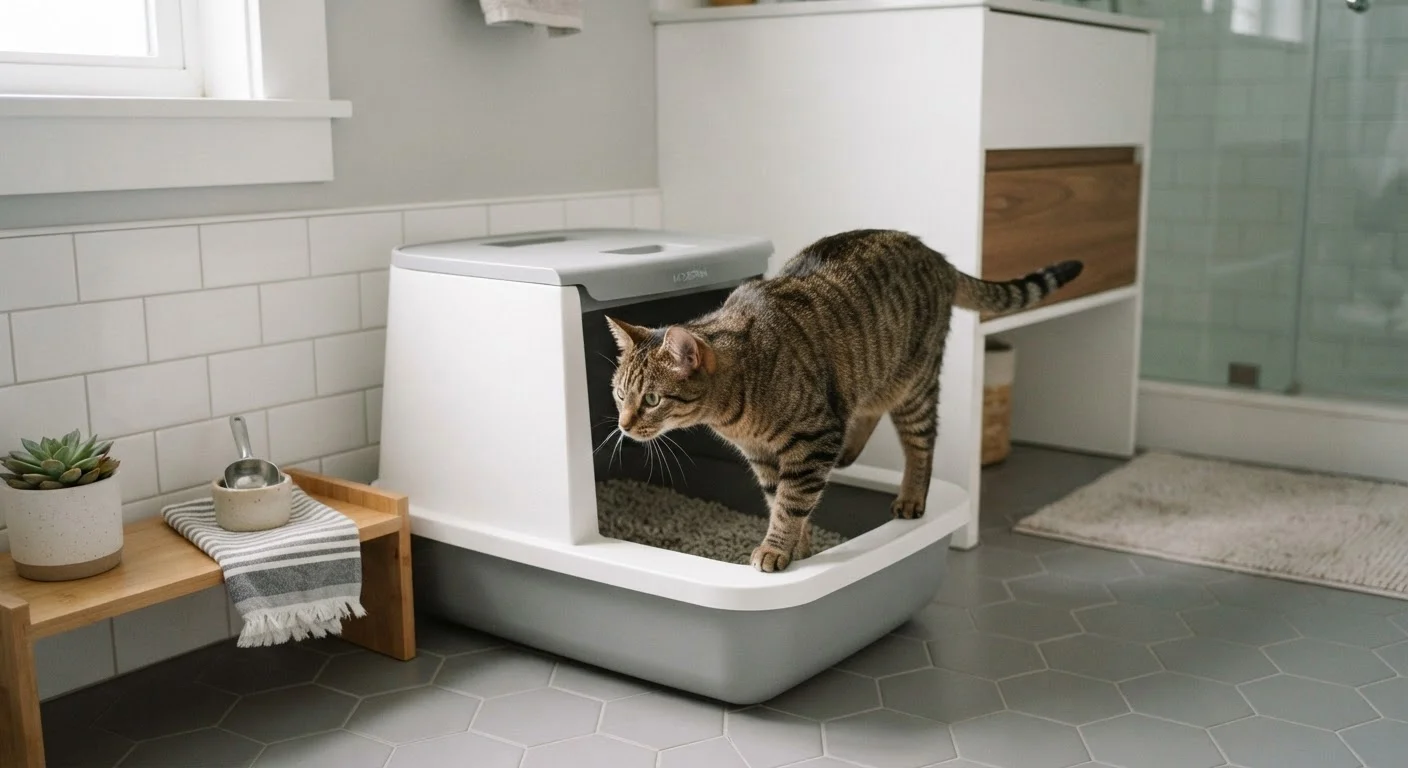
Why Litter Box Behavior Is a Health Indicator
Your cat's litter box is one of the most informative health monitors in your home. Changes in how often, where, and how your cat uses it can be among the earliest visible signs that something is physically or emotionally off. Because cats are naturally private animals who mask discomfort, shifts in elimination habits often surface before other symptoms do.
This isn't about obsessive surveillance — it's about building a baseline. Once you know what's normal for your cat, deviations become noticeable quickly. That awareness is part of the everyday habits that support long-term pet wellbeing veterinarians consistently recommend.
Changes Worth Monitoring Closely
Not every variation demands an emergency call, but several patterns consistently warrant attention:
- Increased frequency with little output: Straining or making repeated trips to the box with minimal urination can indicate a urinary blockage or infection — particularly serious in male cats and always worth a prompt vet call.
- Decreased frequency: Going significantly less often, especially for urination, may point to dehydration, kidney disease, or blockage.
- Elimination outside the box: When a house-trained cat suddenly misses the box, it's rarely spite. Pain, anxiety, or a medical condition may be driving the change. The connection between behavior changes and underlying medical causes is well-documented in feline care.
- Changes in stool consistency: Persistent diarrhea or hard, dry stools that last more than a day or two may signal digestive or dietary issues.
- Visible blood: Any blood in urine or stool is a reason to contact your veterinarian promptly — do not wait to see if it resolves.
- Crying or vocalizing while using the box: This suggests pain during elimination, a clear signal that something needs professional evaluation.
Feline idiopathic cystitis
A condition causing inflammation of the bladder in cats with no identifiable underlying cause. It often presents as frequent, strained urination and can be triggered or worsened by stress.
Urinary blockage
An obstruction in the urethra that prevents a cat from urinating. It is a medical emergency — particularly common and dangerous in male cats — requiring immediate veterinary care.
House soiling
When a cat eliminates outside the litter box in ways that deviate from their established pattern. It can have medical, behavioral, or environmental causes.
Pollakyuria
The medical term for abnormally frequent urination in small amounts. It is often a sign of a urinary tract infection, bladder inflammation, or obstruction.
Substrate preference
A cat's individual preference for the texture or material of the litter in their box. Strong preferences can lead to avoidance if the litter type is changed suddenly.
Understanding your cat's communication style can also help you detect distress earlier. See our guide to feline body language signals for related cues to watch.
Box Setup and Environmental Factors That Influence Habits
Sometimes a change in litter box behavior reflects a problem with the box itself rather than the cat's health. Common setup issues include:
- Insufficient number of boxes: A commonly cited veterinary guideline recommends one box per cat, plus one extra. In multi-cat households, competition or territorial stress can lead one cat to avoid certain boxes entirely.
- Cleanliness: Cats are highly sensitive to odor. A box that isn't scooped at least once daily may be refused — leading to elimination elsewhere.
- Box size and type: A box that's too small, too enclosed, or has a liner a cat dislikes may cause avoidance. Older or arthritic cats may struggle with high-sided boxes. If you share your home with a senior cat, consider the broader picture of how health needs shift as cats age.
- Location: A box placed in a high-traffic, noisy, or hard-to-access area may cause a cat to seek alternatives. Cats prefer privacy and a clear exit route.
When to Call the Vet Without Delay
If your cat has not urinated in 12–24 hours, is crying in the litter box, or you see visible blood in the urine, contact a veterinarian right away — do not wait for the next business day. Urinary blockages can become life-threatening within hours. When in doubt, it's always safer to call and describe what you're seeing.
If you've ruled out environmental factors and a change in litter box use persists for more than 24–48 hours, consult your veterinarian. Many urinary conditions escalate quickly, especially in male cats.
This article is for general informational purposes only and is not a substitute for professional veterinary advice. Always consult a licensed veterinarian for guidance about your individual cat's health.