

Key Takeaways
- Stress in pets often shows up as behavioral changes, not obvious distress signals.
- Common signs include hiding, excessive grooming, appetite changes, and increased aggression.
- Cats and dogs express stress differently — knowing your species matters.
- Consistent routines and enrichment can reduce many stress triggers at home.
- Sudden or severe behavioral changes always warrant a veterinary evaluation.
- What looks like a behavior problem may actually be anxiety or an underlying health issue.
Pet Stress
Pet stress is a state of mental or emotional tension that occurs when an animal feels threatened, overwhelmed, or unable to cope with its environment. It can be triggered by changes in routine, new people or animals, loud noises, medical issues, or a lack of mental stimulation. Like humans, pets experience both short-term and long-term stress, and both can affect their health and behavior.
In veterinary and behavioral science, chronic stress in animals is associated with elevated cortisol levels and can suppress immune function, making early recognition clinically significant.
Why Pet Stress Is Easy to Miss
Animals are wired to conceal vulnerability. In the wild, showing distress can attract predators, so pets — even fully domesticated ones — tend to mask discomfort until it becomes significant. That means by the time you notice something is off, the stress may have been building for a while.
Stress behaviors are also frequently mistaken for personality quirks or "bad behavior." A cat that suddenly stops using the litter box, a dog that begins chewing furniture, or a rabbit that thumps repeatedly may all be communicating anxiety — not acting out. Understanding what stress actually looks like in your pet is the first step toward helping them. For a closer look at how anxiety and misbehavior overlap, see how pet anxiety is often misread as bad behavior.
Stress Looks Different Across Species
Dogs tend to externalize stress through activity — barking, pacing, destructive behavior. Cats more often internalize it, becoming withdrawn or developing physical symptoms like over-grooming. Small mammals, birds, and reptiles have their own stress signals too. Always research species-specific cues and consult a vet familiar with your type of pet.
Common Signs of Stress in Dogs and Cats
Stress signals vary by species and individual, but several behaviors consistently show up across pets under pressure:
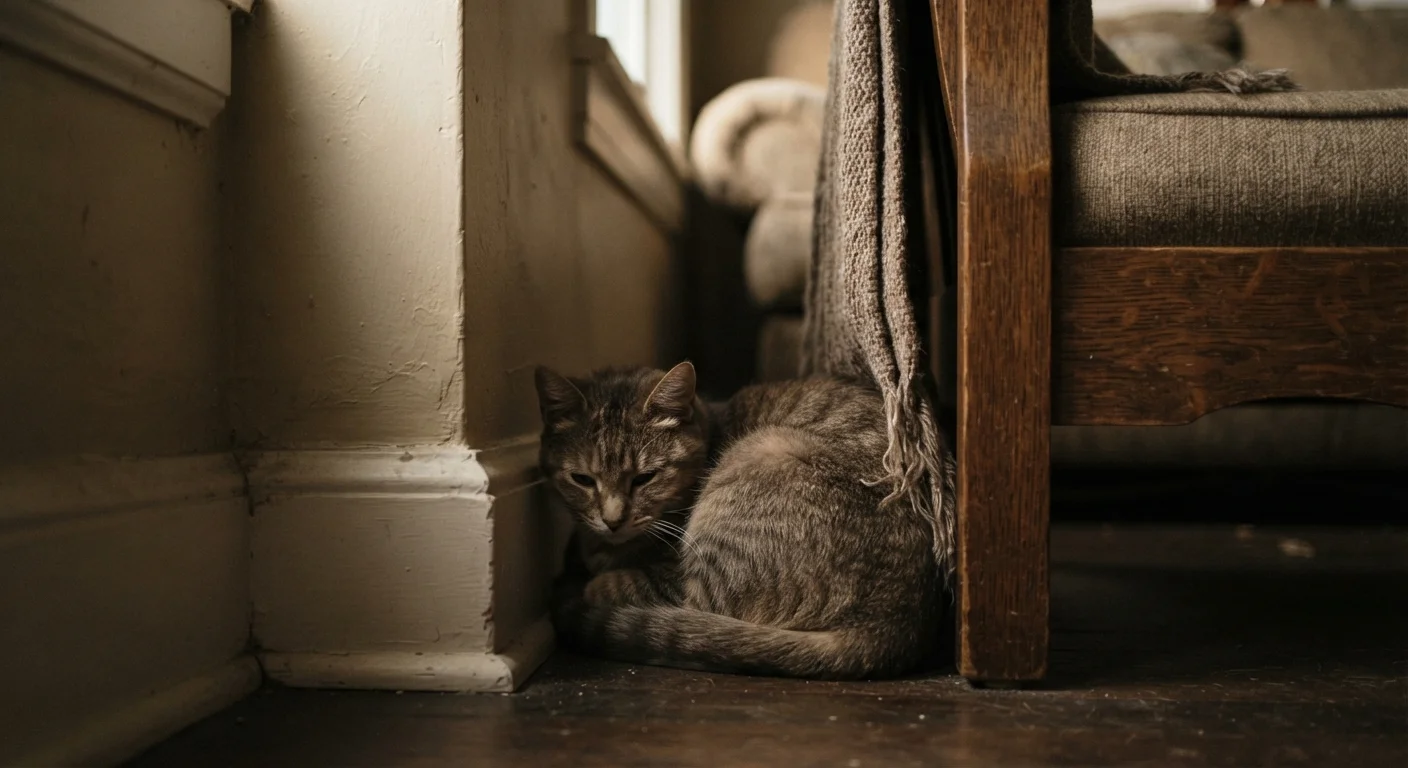
- Hiding or withdrawal: Seeking out isolated, enclosed spaces more than usual.
- Appetite changes: Eating significantly less — or more — than normal.
- Excessive grooming or self-directed behavior: Over-licking paws, fur, or a specific body area, which can lead to skin irritation or hair loss.
- Restlessness or pacing: Inability to settle even in familiar, calm environments.
- Aggression or irritability: Snapping, hissing, or reacting to touch in animals that are usually calm.
- Accidents indoors: House-trained pets eliminating in unexpected places.
- Excessive vocalization: Persistent barking, whining, meowing, or howling.
- Destructive behavior: Chewing, scratching, or digging beyond normal levels.
Dogs may also yawn repeatedly, lick their lips, or turn away during interactions — subtle calming signals that indicate discomfort. Recognizing stress signals in dogs during training covers these cues in detail.
~70%
Dogs showing some anxiety-related behavior
A 2020 study published in Scientific Reports found that approximately 72% of dogs exhibited anxiety-related behaviors in at least one category, including noise sensitivity and separation-related behavior.
1 in 3
Cats affected by chronic stress issues
Veterinary behaviorists estimate that a significant proportion of cats seen in clinical settings present with stress-related conditions, often triggered by multi-cat households or environmental change.
Stress vs. Pain: An Important Distinction
Some signs of stress closely resemble signs of physical pain — and in many cases, a medical issue is the actual root cause of behavioral change. A pet that suddenly becomes withdrawn, aggressive, or stops eating may be hurting, not anxious. It's important not to assume the cause before a vet has weighed in.
Conditions like urinary tract infections, dental pain, arthritis, and hormonal imbalances can all produce behaviors that look like stress or personality shifts. This is especially true in older pets, where health changes are more common. If you notice sudden behavioral changes, a behavior change may point to a medical cause worth discussing with your vet promptly.
What You Can Do at Home
Once medical causes have been ruled out, there are several evidence-supported approaches to reducing stress in pets:
- Maintain consistent routines: Feeding, play, and rest at predictable times help pets feel secure.
- Provide safe retreat spaces: Cats especially benefit from elevated perches or enclosed hideaways where they can decompress on their own terms.
- Increase mental and physical enrichment: Puzzle feeders, sniff walks, and interactive play reduce the boredom and frustration that amplify stress.
- Minimize exposure to known triggers: If loud noise events are stressful for your pet, prepare in advance with safe spaces and calming routines.
- Avoid punishing stress behaviors: Scolding a pet for hiding or having accidents indoors adds to anxiety rather than resolving it.
For dogs struggling with being left alone, understanding separation anxiety can help you choose the right approach rather than guessing.
Start a Simple Behavior Log
Jot down when unusual behaviors occur, how long they last, and what happened beforehand. Even a week of notes can help your vet identify patterns that aren't obvious in a clinical visit. A behavior log is one of the most useful tools you can bring to a veterinary appointment.
When to Involve a Veterinarian or Behaviorist
Home adjustments help with mild, situational stress — but some cases require professional support. Contact your veterinarian if:
- Stress signs are sudden, severe, or worsening despite environmental changes.
- Your pet has stopped eating or drinking for more than 24 hours.
- You notice physical symptoms alongside behavioral changes (weight loss, skin lesions, vomiting).
- Aggression poses a safety risk to people or other animals in the household.
Your vet may recommend a referral to a board-certified veterinary behaviorist, who can develop a structured behavior modification plan and, when appropriate, discuss whether medication might support treatment. For broader context on your pet's overall wellbeing, the Pet Health & Wellness hub offers a range of guidance aligned with veterinary best practices.
This article is for general informational purposes only and does not constitute veterinary or medical advice. Always consult a licensed veterinarian for concerns about your pet's health or behavior.