

Key Takeaways
- Destructive chewing, indoor accidents, and excessive barking are common signs of anxiety, not deliberate disobedience.
- Punishing an anxious pet typically worsens the underlying fear rather than correcting the behavior.
- A veterinarian should be consulted before assuming a behavioral cause — medical conditions can mimic anxiety.
- Consistent routine, safe spaces, and gradual desensitization are foundational anxiety management strategies.
- Many anxiety-related behaviors improve significantly with the right support and professional guidance.
Why Anxiety Looks Like Disobedience
When a dog shreds couch cushions or a cat eliminates outside the litter box, the instinctive human reading is bad behavior. But in many cases, the pet is not acting out — it is communicating overwhelming distress in the only language available to it. Understanding this distinction is the starting point for actually helping your animal.
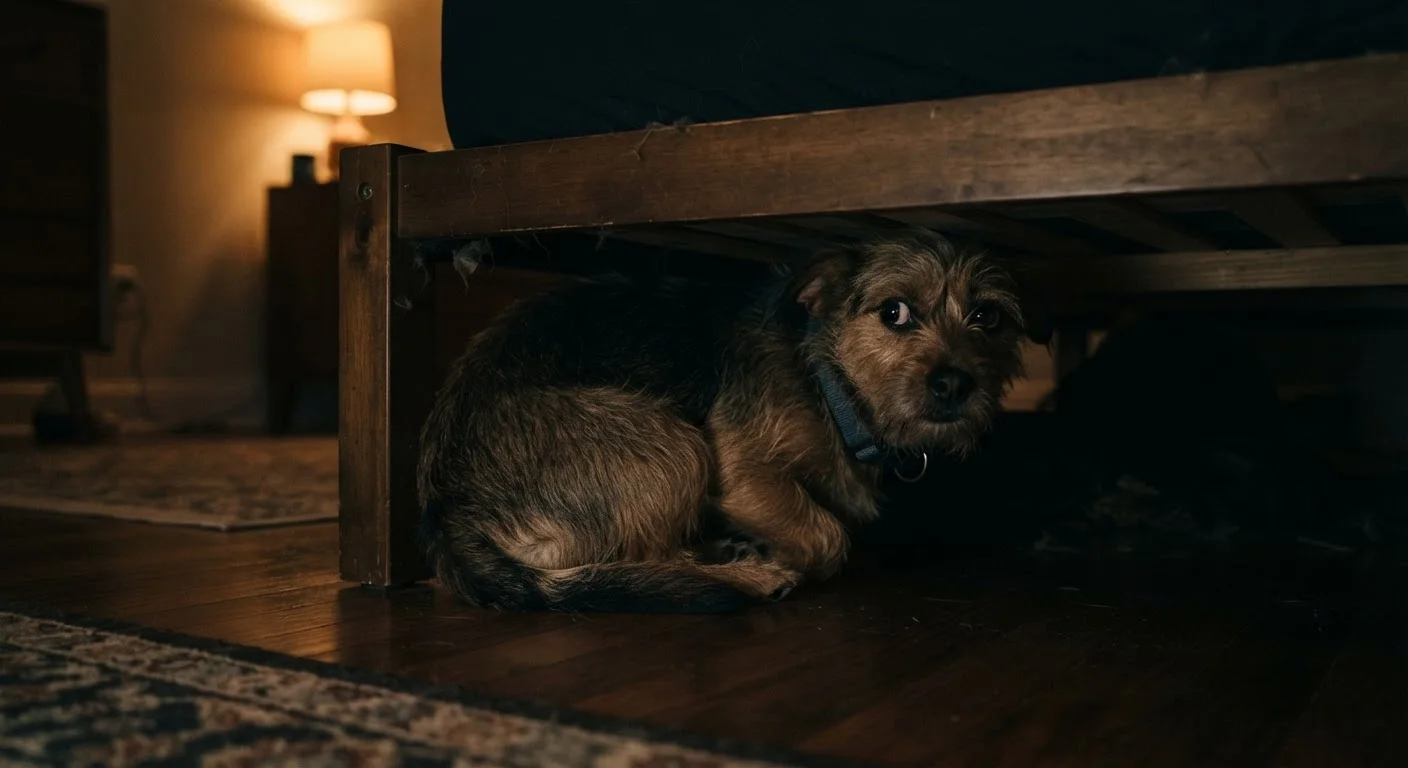
Anxiety in pets is broadly defined as an anticipatory response to a perceived threat, whether that threat is real, imagined, or triggered by past experience. Because animals cannot explain their internal state, the distress surfaces as behavior: destruction, vocalization, elimination, aggression, or withdrawal. To the untrained eye, these look like willfulness. To a veterinarian or behaviorist, they are symptoms.
Recognizing early stress signals — lip-licking, yawning out of context, hiding, or a sudden drop in appetite — is far more actionable than reacting after the behavior has escalated. The Pet Behavior & Training hub offers a broader foundation for reading what your pet's actions are actually communicating.
Rule Out Medical Causes First
Before treating any behavioral change as an anxiety problem, schedule a veterinary exam. Conditions such as pain, thyroid disorders, and neurological issues can produce behaviors that closely resemble anxiety. Acting on a behavioral assumption when a medical cause is present can delay necessary treatment and cause harm.
Common Mistakes Pet Owners Make — and How to Correct Them
The errors most owners make around pet anxiety don't come from indifference — they come from misreading the situation. Each mistake below reflects a gap between what the behavior looks like and what it actually means.
Labeling anxiety-driven behavior as stubbornness or spite.
Why it happens: Pets can't verbalize distress, so owners interpret the visible result — chewed furniture, soiled floors, incessant barking — through a human lens of intentional defiance.
Responding to anxious behavior with punishment or raised voices.
Why it happens: Correcting misbehavior feels like the logical response. Owners don't realize the pet is already in a stress state and cannot process discipline the way it's intended.
Assuming the anxiety will resolve on its own without intervention.
Why it happens: Some anxiety episodes do pass, which reinforces the belief that the problem isn't serious enough to address systematically.
Inadvertently reinforcing anxiety by over-comforting during fearful episodes.
Why it happens: It feels kind and natural to soothe a distressed pet — owners don't want it to suffer. But repeated lavish reassurance during peak anxiety can signal to the pet that the fear response is warranted.
Skipping the veterinary exam and going straight to behavioral training.
Why it happens: Behavioral explanations are intuitive and training resources are widely available, so owners often bypass the medical step.
Treating all anxious pets identically without identifying the specific trigger.
Why it happens: General advice about anxiety is abundant, so owners apply one-size-fits-all fixes without diagnosing whether the trigger is separation, noise, strangers, or environment changes.
For a closer look at one of the most widely misunderstood forms of pet anxiety, Separation Anxiety in Dogs: What It Is, What It Isn't, and How to Help breaks down how to distinguish true separation anxiety from other behavioral causes — an important distinction before choosing any intervention.
Punishment Can Make Anxiety Worse
Scolding, physical correction, or confinement used as punishment when a pet is already anxious tends to increase fear rather than reduce it. The pet does not connect the punishment to the earlier behavior — it connects it to you. This can erode trust and deepen the anxiety cycle over time.
Building a Calmer Environment
Once anxiety is identified and medical causes have been excluded, consistent environmental management becomes the core of long-term support. This does not require expensive equipment or elaborate routines — it requires predictability.
- Establish a reliable daily schedule. Feeding, exercise, and quiet time at consistent intervals reduce uncertainty, which is a primary driver of chronic anxiety in domestic animals.
- Create a designated safe space. A crate with the door left open, a low shelf with a familiar blanket, or a quiet room gives a pet a place to self-regulate. Never use this space for punishment.
- Manage known triggers proactively. If thunderstorms or fireworks are predictable stressors, prepare in advance rather than reacting after the anxiety has peaked.
- Support gradual desensitization. Under professional guidance, slow and controlled exposure to feared stimuli — paired with calm, positive associations — can meaningfully reduce anxiety responses over time.
Understanding why behavioral problems develop is a valuable companion read, as is the broader guidance in Well-Meaning Habits That Can Quietly Harm Your Pet's Health, which covers how some common owner responses inadvertently compound the problem.
~70%
Dogs showing anxiety-related behaviors
A study published in Scientific Reports found that approximately 72% of dogs exhibited anxiety-related behaviors, with noise sensitivity being the most common.
1 in 3
Cats displaying stress-related signs
Veterinary behaviorists estimate that a significant proportion of cats seen for behavioral complaints are experiencing underlying chronic stress or anxiety.
This article is for general informational purposes only and does not constitute veterinary or medical advice. If your pet is showing signs of anxiety or behavioral distress, consult a licensed veterinarian or certified veterinary behaviorist for guidance specific to your animal's needs.