

Key Takeaways
- A wellness exam assesses your pet's overall health, not just a specific symptom or illness.
- Vets check vital signs, weight, teeth, ears, eyes, coat, and organ function during a routine visit.
- Early detection through wellness exams can catch conditions before they become costly or dangerous.
- Skipping annual exams means missing vaccinations, parasite prevention, and health trend tracking.
- Senior pets often benefit from twice-yearly exams due to faster health changes.
Annual Pet Wellness Exam
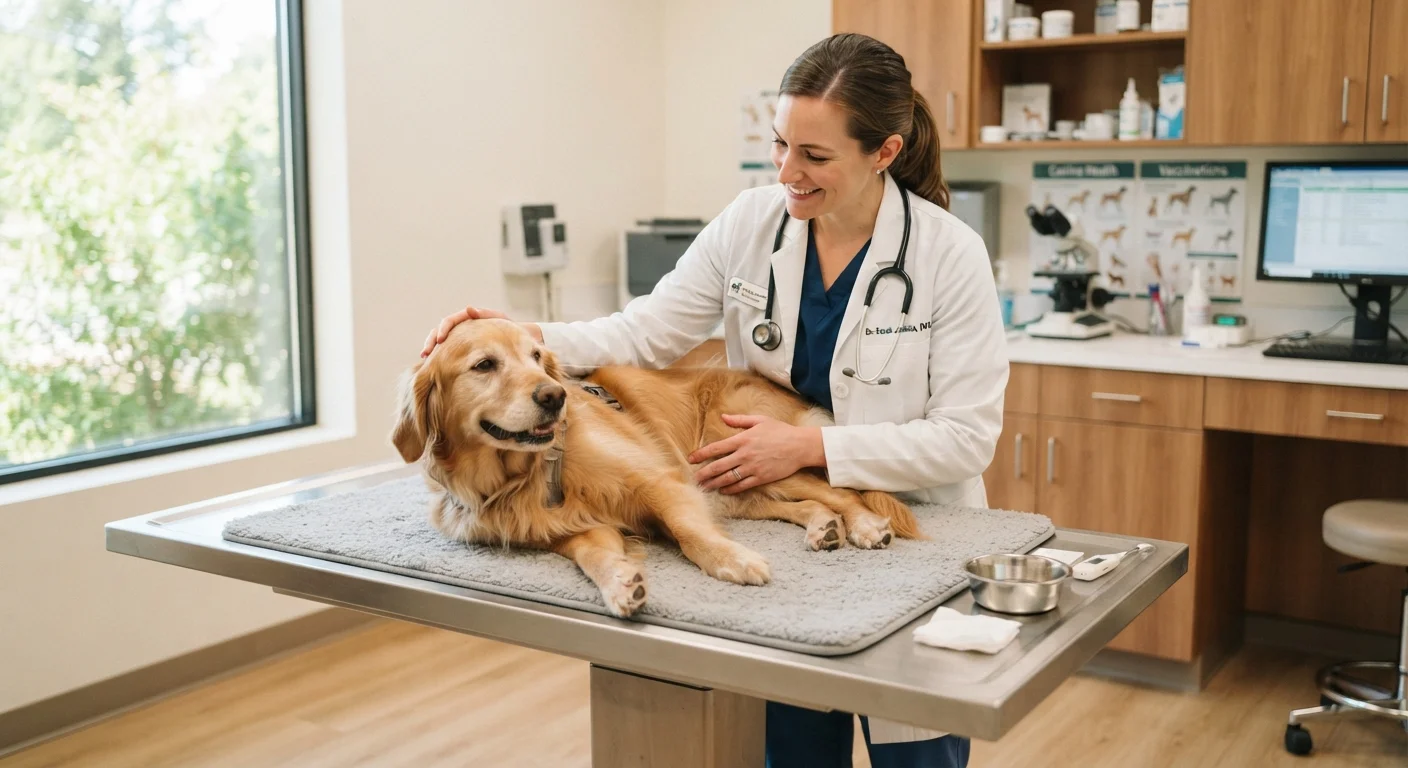
A wellness exam is a routine, scheduled veterinary visit designed to assess your pet's overall health — not just respond to illness. The vet checks everything from weight and teeth to heart rate and coat condition, building a baseline picture of what's normal for your individual animal. Think of it as your pet's yearly physical.
Veterinarians may recommend more frequent exams — every six months — for senior pets, since animals age faster than humans and health changes can occur rapidly between annual visits.
What a Wellness Exam Is — and Isn't
A pet wellness exam is a proactive health check, not a sick visit. Its purpose is to establish and monitor your pet's baseline health across all body systems, even when nothing seems wrong. This distinction matters because many pet owners only schedule vet appointments when a visible problem has already developed.
Wellness exams are part of the foundation of preventive pet care — along with vaccinations, parasite control, and dental hygiene. The goal is to catch problems early, track trends over time, and keep your pet on a healthy trajectory before an issue requires urgent intervention.
This is also different from an emergency or urgent care visit. If you're unsure which type of care your pet needs in a given situation, our guide on emergency vs. urgent care vs. regular vet can help you decide.
Prepare Before You Go
Write down any behavioral or physical changes you've noticed — even minor ones — before your pet's appointment. Vets can only evaluate what they observe in the clinic, so your observations at home are genuinely useful clinical data. Bringing a fresh stool sample also allows for parasite screening without scheduling a return visit.
What Vets Actually Check During the Visit
A nose-to-tail physical exam is the core of every wellness visit. Your vet will methodically assess multiple body systems, including:
- Weight and body condition: Changes in weight can signal underlying illness, metabolic issues, or nutritional problems. Obesity is one of the most common and preventable pet health concerns — see our article on the weight problem vets see at nearly every visit.
- Heart and lungs: A stethoscope check listens for irregular rhythms, murmurs, or breathing abnormalities that may not be visible from the outside.
- Eyes, ears, and nose: Signs of infection, discharge, or structural changes are noted and compared to prior records.
- Teeth and gums: Dental disease is one of the most overlooked pet health issues. Poor oral health can affect the kidneys, liver, and heart. Learn more in our guide on pet dental health.
- Skin and coat: Dull coat, hair loss, or skin changes can reflect allergies, parasites, or hormonal imbalances.
- Abdomen and lymph nodes: Palpation helps detect pain, abnormal organ size, or unusual masses.
For a detailed walkthrough of this process, our room-by-room guide to what vets check covers each step in depth.
1 in 3
Pets develop a serious illness each year
The American Veterinary Medical Association notes that roughly one in three pets will require unexpected veterinary care annually, underscoring the value of proactive health monitoring.
85%
Dogs over 3 show signs of dental disease
According to the American Veterinary Dental College, the majority of dogs and cats show evidence of periodontal disease by age three — a condition frequently identified during routine wellness exams.
6 months
Recommended exam frequency for senior pets
Most veterinary guidelines recommend biannual wellness exams for senior dogs and cats, as health status can change significantly in a short period due to accelerated aging.
Vaccinations, Lab Work, and Parasite Prevention
Beyond the physical exam, wellness visits are when your vet reviews and updates your pet's vaccination status. Vaccines are categorized as core (recommended for all pets) or non-core (given based on lifestyle and risk). Understanding this distinction helps you have an informed conversation with your vet — our vaccination schedule guide explains the difference clearly.
Many vets will also recommend routine diagnostic testing at wellness visits, especially for adult and senior pets. Bloodwork, urinalysis, and fecal parasite testing give a broader picture of internal health that a physical exam alone can't provide. These tests can reveal early-stage kidney disease, diabetes, thyroid disorders, and intestinal parasites — conditions where early treatment significantly improves outcomes.
“The physical examination is the most important diagnostic tool a veterinarian has. It costs nothing extra, and it can reveal a great deal about an animal's health that owners simply cannot see at home.”
— American Veterinary Medical Association, Leading U.S. veterinary professional organization
Why Skipping a Wellness Exam Can Cost More Than Attending One
It's easy to deprioritize a vet visit when your pet appears fine. But wellness exams are precisely where silent problems get found. Animals are instinctively good at masking discomfort, so many diseases progress significantly before any behavioral changes are obvious to owners.
Missing annual visits also means gaps in vaccination coverage, lapsed parasite prevention, and no updated health baseline — making it harder to detect meaningful change over time. A vet who sees your pet annually can notice a 2-pound weight loss that you might not register at home, or an early heart murmur that wasn't there last year.
Wellness care also connects to your pet's broader everyday care routine, reinforcing habits that support long-term wellbeing. The annual exam is your checkpoint — the moment each year where you and your vet align on what's working, what's changing, and what to watch going forward.
This article is for general informational purposes only and is not a substitute for professional veterinary advice. Always consult a licensed veterinarian for guidance specific to your pet's health needs.