
Key Takeaways
- Curbside pickup is fastest when the item is already in stock at a nearby store.
- Ship-to-store lets you access a wider product selection without paying a delivery fee.
- Same-day delivery is convenient but typically carries the highest cost of the three options.
- Availability of each method depends heavily on the retailer and your location.
- Mixing methods strategically can save both time and money depending on what you're buying.
Retail Fulfillment Options
Retail fulfillment options are the different ways a store can get a purchased product into your hands. The three most common modern methods are curbside pickup, ship-to-store, and same-day delivery — each designed to solve a different scheduling or logistics challenge. Understanding how each one works helps you choose the method that saves the most time, money, and frustration for any given purchase.
Fulfillment methods are tied to a retailer's inventory management and logistics infrastructure; availability varies by store location, product category, and order volume.
How Curbside Pickup Works
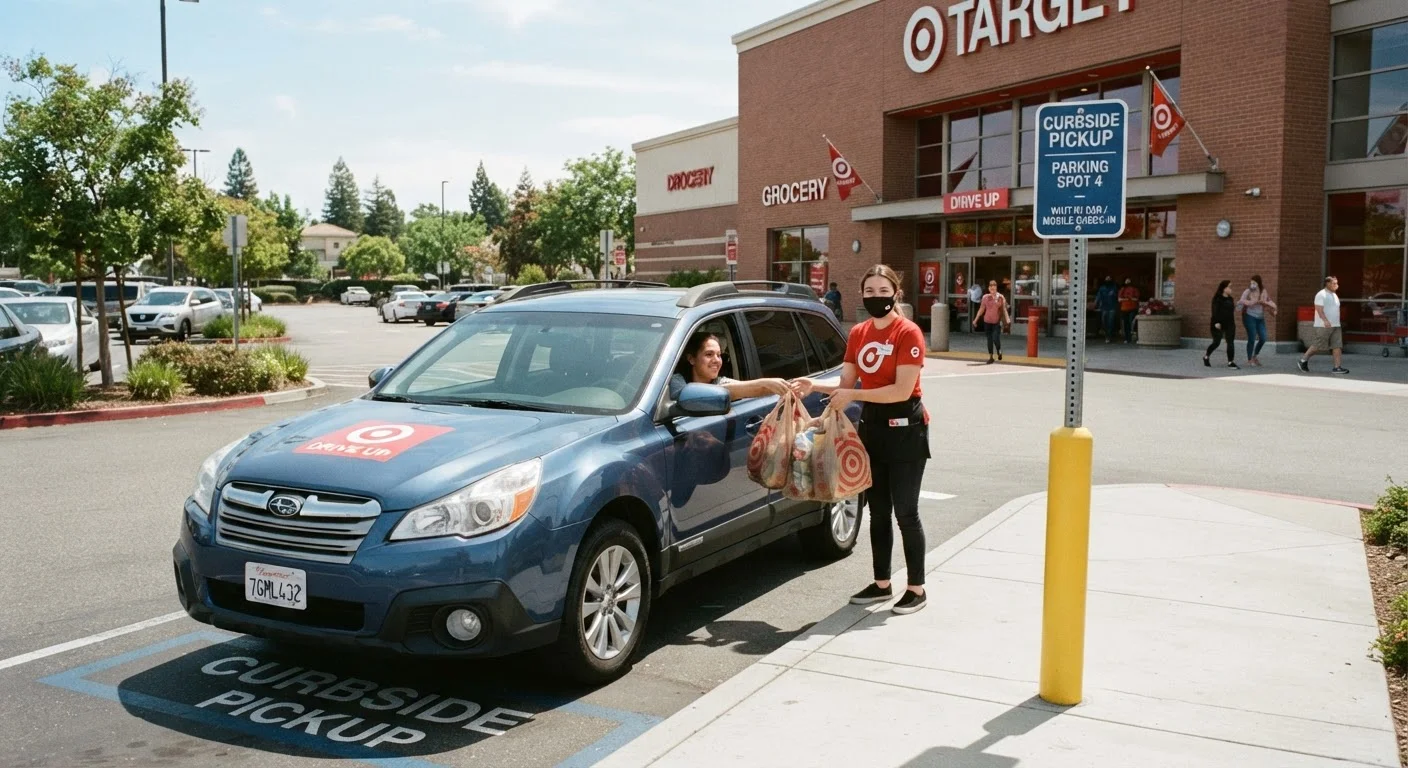
Curbside pickup lets you order online and collect your items without entering the store. Once your order is confirmed, store staff pull the items from the sales floor or back stock, and you drive to a designated spot outside the building. A quick notification — usually a text or app alert — signals when your order is ready, and a staff member brings it directly to your car.
The entire process typically takes anywhere from one hour to same-day, depending on how busy the store is and whether your item is in stock. It works best for planned purchases of everyday goods — groceries, household items, or electronics — where you already know exactly what you want.
Check Stock Before You Drive
Curbside pickup is only as fast as the store's inventory data is accurate. If you're counting on a same-day collection, call or check the retailer's app to confirm the item is truly in stock at your chosen location — not just showing as available through the broader network.
For grocery purchases specifically, see how curbside compares to other options in our grocery shopping breakdown.
How Ship-to-Store Works
Ship-to-store — sometimes called in-store pickup or buy online, pick up in store (BOPIS) — routes an online order through a retailer's distribution network to a specific brick-and-mortar location. Rather than shipping to your home address, the item travels to the store, where you collect it on your schedule.
The practical advantage is access to a retailer's full catalog, not just what's physically on that store's shelves. If a color, size, or model is sold out locally, ship-to-store can often source it from a warehouse or another location. It also sidesteps residential delivery fees in many cases.
~67%
U.S. shoppers who have used BOPIS
A survey by the International Council of Shopping Centers found that roughly two-thirds of U.S. consumers had used buy-online-pickup-in-store options, with many making additional purchases during pickup visits.
2–4 hrs
Typical same-day delivery window
Most major retailers and third-party delivery platforms define same-day delivery as arrival within two to four hours of order placement, subject to cutoff times and local availability.
$0
Typical fee for curbside pickup
Curbside pickup is offered free of charge by the majority of retailers that provide it, though minimum order requirements may apply at some chains.
This option pairs well with a hybrid shopping approach — research and order online, then inspect and take home in person. For a broader look at that strategy, see getting the most out of a hybrid shopping approach.
How Same-Day Delivery Works
Same-day delivery promises that an order placed in the morning — or sometimes up to a cutoff time in the afternoon — arrives at your door within hours. Retailers accomplish this through local fulfillment centers, partnerships with third-party delivery platforms, or their own driver networks.
The convenience comes at a cost. Same-day delivery typically carries a delivery fee, and some services also require a membership subscription or a minimum cart value. Speed and reliability can also fluctuate based on driver availability and order volume.
It makes the most sense when you genuinely need something urgently and the premium is worth the time saved — not as a default habit for routine purchases. For guidance on matching the right shopping method to the right product type, see product categories where each shopping channel tends to shine.
Choosing the Right Method for Your Situation
No single fulfillment option wins every time. The right choice depends on three factors: urgency, cost sensitivity, and product availability.
- Urgency: If you need something within hours, same-day delivery or curbside pickup (if the item is in stock) are your most realistic options.
- Cost sensitivity: Ship-to-store and curbside pickup are generally free or low-cost. Same-day delivery adds fees that can meaningfully raise the total price of a modest purchase.
- Product availability: Ship-to-store shines when the exact item you want isn't stocked locally but is available in the retailer's broader network.
Learning to read these variables quickly is a core habit of experienced shoppers. For a deeper look at building that skill set, the Smarter Decisions hub offers practical decision frameworks. You can also find a full plain-language glossary of fulfillment-related terminology in key shopping terms every consumer should recognize.
Availability Varies by Retailer and Region
Not every retailer offers all three fulfillment methods, and those that do may restrict certain options by product category, store location, or local logistics capacity. Always verify which options appear at checkout for your specific item and zip code before planning around a particular method.