

Key Takeaways
- Several common grooming steps get skipped not from laziness, but simply from habit and low visibility.
- Most neglected grooming tasks take under five minutes once added to a regular routine.
- Consistent small fixes — heels, brows, ear hair — can meaningfully improve how polished you look and feel.
- Skin, nail, and hair care overlap; neglecting one area often affects the others.
- Simple tools and a short weekly check-in are usually all it takes to stay on top of overlooked details.
The Details That Quietly Fall Off the Radar
There's no shortage of grooming advice out there, but most of it circles the same big-ticket items — hair, face, nails. The habits that slip are rarely dramatic. They're the ones just outside your usual line of sight: the back of your neck, the skin on your heels, the stray hairs creeping out from places you'd rather not think about.
None of this is about perfection. It's about the low-effort upkeep that keeps you looking intentional rather than like you've quietly stopped caring. And the good news? Every item on this list takes only a few minutes once you actually remember to do it. For a fuller picture of how these fit into a sustainable routine, see our weekly grooming routine guide.
Ear and Nose Hair
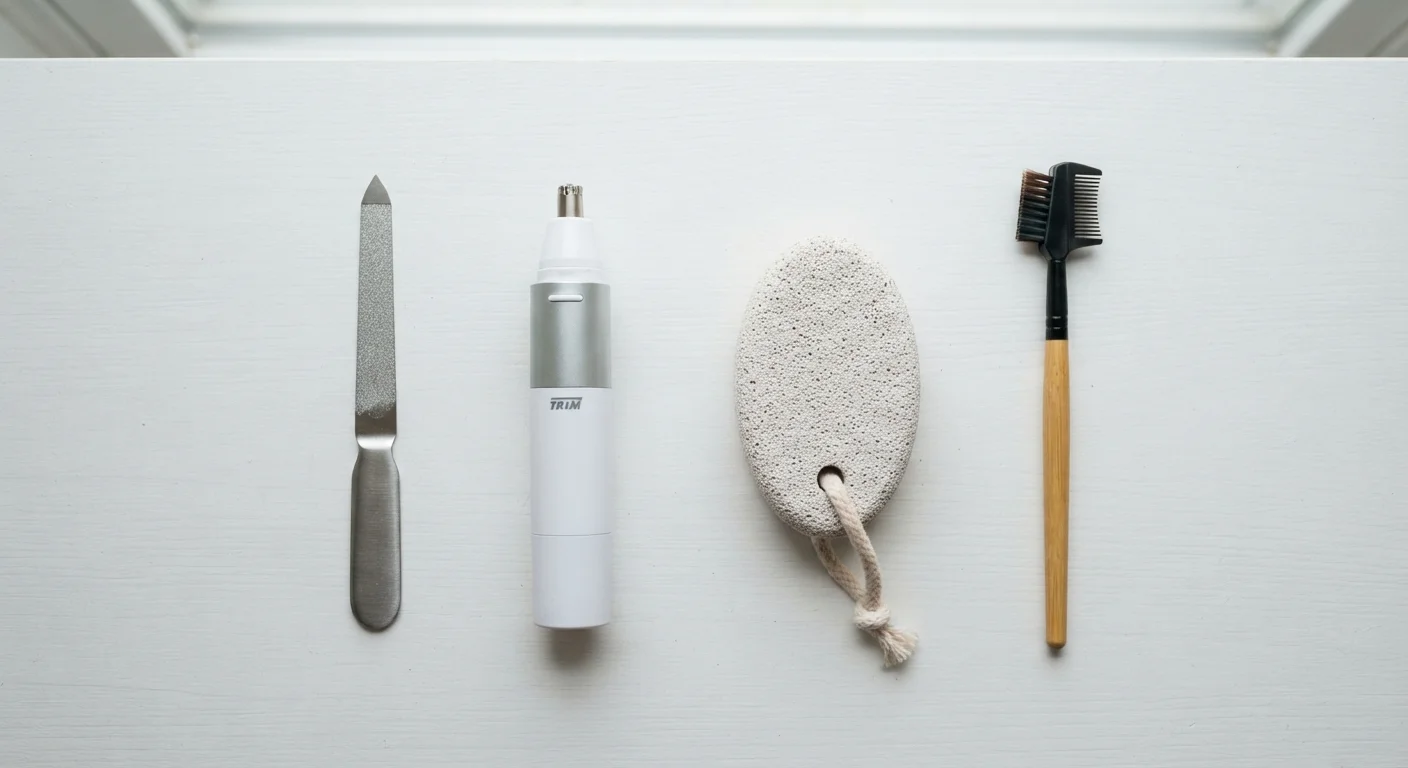
It's the grooming task almost no one thinks about until someone else notices. Ear and nose hair grows continuously, and it tends to become more noticeable with age. A small battery-powered trimmer designed for the purpose handles both areas safely and quickly — usually in under two minutes. Unlike tweezing, which can cause irritation or ingrown hairs in sensitive tissue, a trimmer cuts cleanly without tugging. Adding it to your regular shave day keeps it from becoming something you suddenly scramble to address before an important event.
A two-minute trim every week or two keeps one of the most noticeable grooming slips completely invisible.
Cracked or Rough Heels
Heels tend to be out of sight and, therefore, out of mind — until sandal season or a doctor's visit. Dry, cracked skin on the heels is extremely common, particularly in people who spend a lot of time on their feet or in open footwear. A basic routine of using a pumice stone or foot file while the skin is softened from a shower, followed by a thick moisturiser, can make a significant difference over just a few weeks. Severely cracked heels that bleed or cause pain are worth discussing with a healthcare professional, as they can sometimes be linked to underlying skin or health conditions.
Consistent moisture and gentle exfoliation are usually enough to keep heels smooth year-round.
Eyebrow Upkeep Between Appointments
Brows frame the face in a way that's subtle when done well and glaring when neglected. Most people shape their brows periodically through threading, waxing, or salon visits — but ignore them completely in between. Stray hairs above the arch or between the brows can make an otherwise put-together look feel unfinished. A pair of slanted tweezers and decent lighting is all you need to maintain the shape between professional sessions. For anyone preparing for a job interview or big event, a quick brow tidy the day before is one of the highest-impact, lowest-effort steps on the checklist.
Brow maintenance between appointments takes under five minutes and dramatically sharpens an overall look.
Toenails
Fingernails get attention; toenails are often left to grow unchecked for weeks or months at a stretch. Beyond appearance, overgrown toenails can cause discomfort in closed-toe shoes and may increase the risk of ingrown nails. Trimming them straight across (rather than curved at the corners, which can contribute to ingrowth) and filing any rough edges keeps them manageable. If you already handle your fingernails regularly, treating both sets at the same time prevents the toenail blind spot from developing. Our nail care guide for people who rarely think about it covers the basics simply and quickly.
Trimming toenails straight across every few weeks prevents discomfort and the common problem of ingrown nails.
The Back of Your Neck
The nape of the neck is a common afterthought in haircare, yet it's one of the first places other people look. Hair grows unevenly at the hairline and can quickly create a shaggy or overgrown appearance even when the rest of a cut still looks sharp. Between barbershop or salon visits, a manual razor or a small trimmer can clean up the neckline. It's a two-minute task that extends the life of a haircut by weeks and keeps the overall silhouette looking intentional. If you're figuring out where this fits in the broader picture, professional consensus on grooming frequency is a useful reference.
Cleaning up the neckline at home can extend the polished look of a haircut by two to three weeks.
Lip Care
Chapped, flaking lips are easy to ignore because they tend to develop gradually. The skin on the lips is thinner than the rest of the face and has no oil glands, making it particularly prone to dryness — especially in winter or low-humidity environments. A gentle lip scrub once or twice a week removes flaking skin, and a simple, unflavoured lip balm applied consistently keeps moisture in. This is one of those details that's invisible when maintained and very visible when neglected. It also matters for anyone who wears lip colour, since product application on dry lips rarely looks the way it should.
Lip skin has no oil glands of its own, making regular moisture and light exfoliation genuinely necessary, not optional.
Making It Stick Without Overthinking It
The reason these habits lapse isn't laziness — it's that they're genuinely easy to forget when they're not part of an established routine. The fix is almost always the same: attach the new habit to something you already do. Heel care after a shower. Ear and nose trims on the same day you shave. Brow tidying when you clean your face at night.
Habit Stacking Makes It Effortless
Attach overlooked grooming steps to something you already do every week. Ear and nose trimming on shave day, heel care right after a shower, lip scrub on the same nights as your face exfoliant. When the trigger is already built into your schedule, the new habit stops requiring willpower to remember.
If you're curious about which habits actually hold up over years versus which ones are worth dropping, our look at long-term grooming practices is worth a read. And for anyone who suspects a few well-meaning habits might be quietly working against them, this piece on habits that undermine a polished look covers the common missteps.