

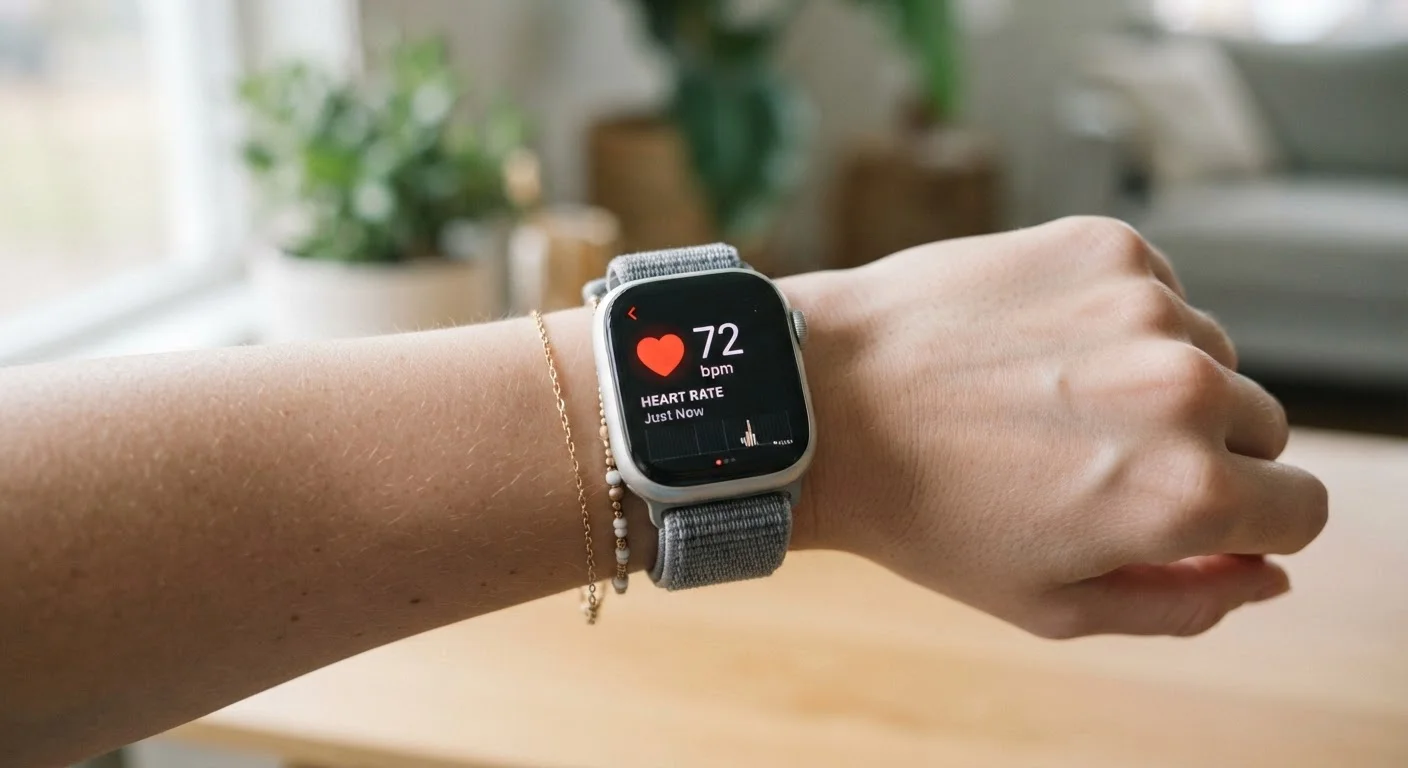
Key Takeaways
- Consumer wearables use optical sensors that estimate heart rate, not clinical-grade electrodes.
- Wrist-based readings can drift significantly during intense exercise or if the device fits poorly.
- A wearable ECG feature is not the same as a full diagnostic electrocardiogram from a cardiologist.
- Irregular rhythm alerts from wearables require confirmation by a medical professional before acting on them.
- Wearable data is most useful as a personal trend tracker, not a diagnostic tool.
Why These Myths Matter
Wearable heart rate monitors have become a fixture on millions of American wrists. That ubiquity has produced a wave of confident — and often incorrect — assumptions about what these devices can and cannot do. Treating a consumer wearable as a clinical instrument can lead to unnecessary anxiety, misplaced confidence, or delayed medical care. Understanding where the technology genuinely excels, and where it falls short, helps you use it more effectively.
For a broader look at how these devices measure more than just heart rate, see what fitness trackers actually measure.
Myth
My wearable's heart rate reading is as accurate as what a doctor measures in the office.
Fact
Consumer wearables use optical sensors that estimate heart rate from blood flow under the skin, while clinical devices use electrical signals directly from the body — the methods and accuracy standards differ significantly.
Wrist-based wearables rely on photoplethysmography (PPG) — a technique that shines light into the skin and measures how much is reflected back as blood pulses through. It's a clever and convenient approach, but it's an estimate. Clinical-grade pulse oximeters and ECG machines use verified electrical or optical standards with tighter calibration requirements. Fit, skin tone, movement, and even ambient light can all introduce error into a wearable reading. For a detailed breakdown of how optical sensors perform in practice, see the real story behind heart rate accuracy on wrist wearables.
Myth
If my wearable has an ECG feature, it's giving me the same test my cardiologist orders.
Fact
A wearable ECG records a single-lead electrical snapshot, whereas a clinical ECG typically uses 12 leads placed across the body to give a full picture of heart activity.
A single-lead ECG — the kind built into consumer wearables — can detect certain rhythm irregularities like atrial fibrillation (a condition where the upper chambers of the heart beat chaotically). However, it cannot diagnose most heart conditions, assess blockages, or replace the multi-lead test a cardiologist uses to evaluate the heart's electrical activity from multiple angles. Think of a wearable ECG as a limited screening signal, not a diagnostic report. Any concerning result still requires clinical follow-up. Learn more about what these sensors actually capture in our overview of wearable health sensors including ECG and SpO2.
Myth
When my wearable flags an irregular heartbeat, I definitely have a heart problem.
Fact
Wearable irregular-rhythm alerts have a meaningful false-positive rate and must be confirmed by a licensed clinician before drawing any medical conclusions.
Consumer devices are designed to err on the side of alerting you — that's a safety feature, not a diagnostic verdict. Motion artifacts, a loose band, or harmless rhythm variations can all trigger an alert. Studies published in peer-reviewed cardiology journals have noted that a significant share of wearable atrial fibrillation notifications do not hold up under clinical review. If your device flags something unusual, the appropriate next step is to contact your doctor — not to self-diagnose based on the notification alone.
Myth
A higher real-time heart rate reading during exercise always means I'm working harder.
Fact
Optical heart rate readings are least reliable during vigorous movement, so an unexpectedly high or low number during a workout may reflect sensor error more than actual physiology.
Wrist movement during running, cycling, or high-intensity intervals introduces motion artifact — noise in the optical signal that the device's algorithm must filter out. This filtering isn't perfect. Some wearables lock onto cadence (the rhythm of your steps or pedal strokes) rather than your true heart rate during fast movement, which can produce readings that are consistently too high or too low. A chest strap heart rate monitor that uses electrical signals generally performs more reliably during high-intensity workouts if precision matters for your training.
Myth
Wearable blood oxygen (SpO2) readings are reliable enough to monitor a health condition.
Fact
Consumer SpO2 sensors are not cleared as medical devices for continuous clinical monitoring and should not be used to manage or track any diagnosed health condition.
SpO2 refers to the estimated percentage of hemoglobin in your blood carrying oxygen. Medical pulse oximeters used in hospitals are subject to strict accuracy standards and regulatory clearance. Most consumer wearable SpO2 features are intended for wellness awareness only — they typically carry disclaimers stating they are not intended to diagnose, treat, or monitor medical conditions. Factors like skin tone, cold hands, or poor sensor contact can meaningfully skew readings. Anyone needing accurate oxygen monitoring for a health condition should use a validated medical-grade device under professional guidance.
Reading the Numbers Responsibly
Even accurate data can be misread. A single elevated heart rate number on your wrist does not mean something is wrong with your heart, and a normal-looking number during symptoms you're concerned about does not mean everything is fine. Wearables are designed to capture patterns over time — that's where their real value lies.
±5 bpm
Typical wearable heart rate error range at rest
Independent validation studies have generally found consumer wrist wearables perform best during rest and moderate activity, with errors widening substantially during vigorous exercise.
1-lead vs. 12-lead
Consumer ECG versus clinical ECG complexity
Standard clinical electrocardiograms use 12 electrode positions to map the heart's electrical activity; most consumer wearable ECG features capture only a single lead.
Heart rate variability (HRV) — the variation in time between heartbeats — is one metric that consumer wearables attempt to track. Understanding what these readings actually detect requires some context; our guide to what every wearable health metric actually measures breaks it down clearly.
Never Use a Wearable to Self-Diagnose
Wearable heart rate and rhythm data can be a useful prompt to seek medical attention, but it is not a diagnostic tool. A notification, an unusual number, or an irregular rhythm flag on your device should always be followed up with a licensed healthcare provider. Do not change medications, delay emergency care, or make health decisions based on wearable readings alone.
If you experience chest pain, shortness of breath, dizziness, or palpitations, do not rely on your wearable's reading as a substitute for medical evaluation. Contact a healthcare provider or emergency services promptly.
This article is for general informational and educational purposes only. It is not medical advice. Always consult a qualified healthcare professional regarding any symptoms, health conditions, or decisions about your care.