

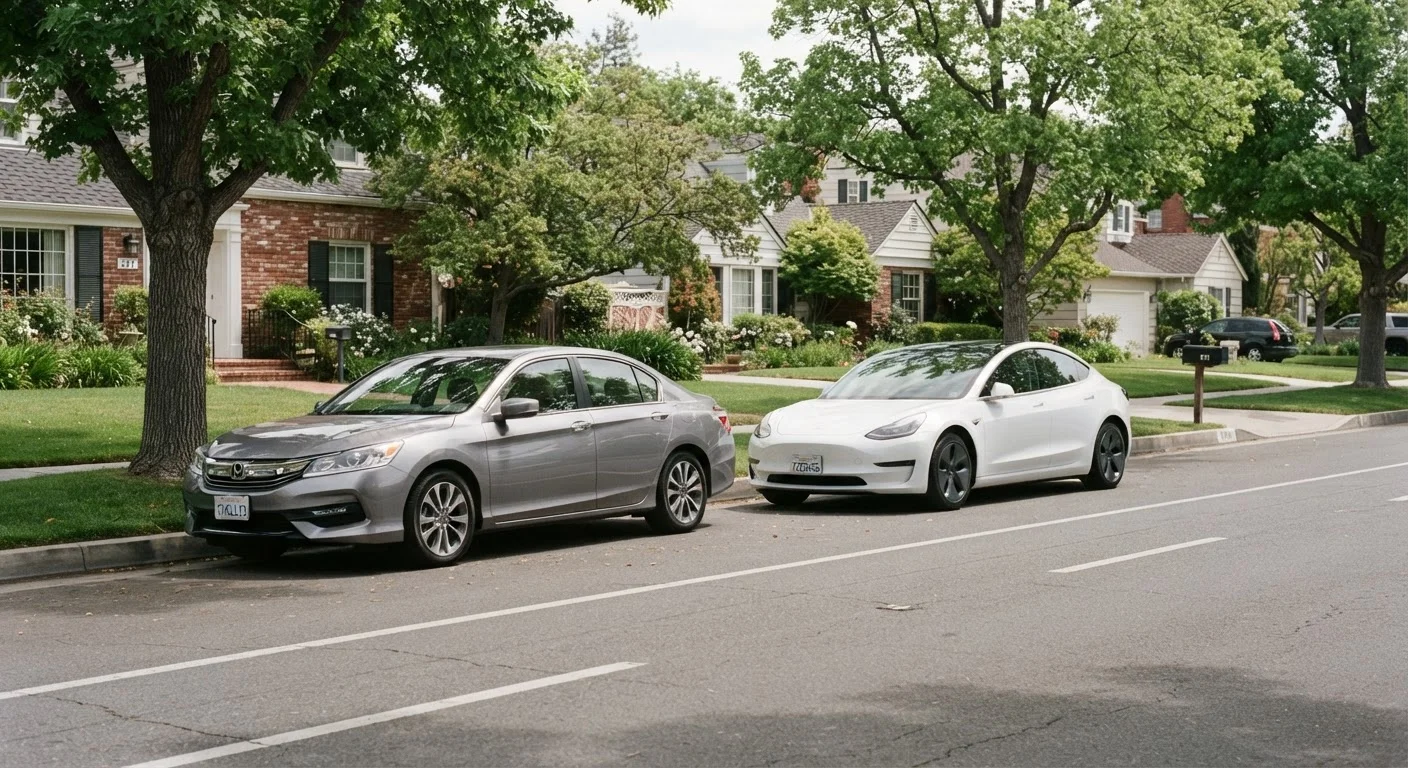
Key Takeaways
- EVs typically cost less to fuel and maintain, but carry higher upfront purchase prices.
- Charging infrastructure varies significantly by region - home charging is the most convenient setup for most EV owners.
- Gas cars offer greater fueling flexibility and longer established range, especially for rural or high-mileage drivers.
- Your daily driving distance, parking situation, and local grid access matter more than national averages.
- Neither option is universally better - the right choice depends on your specific lifestyle and budget.
Our Verdict
Both gas and electric vehicles serve real-world needs well - the gap largely comes down to how and where you drive. EVs reward drivers with predictable daily commutes and access to home or workplace charging, while gas vehicles remain the more flexible choice for high-mileage, rural, or frequently-varying driving patterns. Neither is a clear winner for every driver.
| Best for | Recommended |
|---|---|
| Daily commuters with home charging access | Electric Vehicle |
| Drivers in rural areas or without reliable charging access | Gas Car |
| Those prioritizing lower long-term fuel and maintenance costs | Electric Vehicle |
| Drivers who frequently take long unplanned road trips | Gas Car |
The Core Trade-Off: Upfront Cost vs. Long-Term Savings
Electric vehicles generally carry higher sticker prices than comparable gas-powered cars. A portion of that gap can be offset by federal tax credits under current U.S. law, though eligibility rules around income, vehicle price, and assembly origin are specific and worth verifying before purchase. State-level incentives vary further.
On the operating side, electricity is typically cheaper per mile than gasoline, and EVs have fewer moving parts - no oil changes, fewer brake jobs thanks to regenerative braking, and no transmission fluid. Over several years of ownership, these savings can be meaningful, though actual figures depend on local electricity rates, gas prices, and individual driving habits.
Gas cars cost less to buy outright and have well-established financing and insurance markets. For drivers managing tight monthly budgets, the lower purchase price may outweigh projected long-term savings. For a broader look at how vehicle costs fit into personal finances, see the Saving & Debt hub.
| Gas Car | Electric Vehicle | |
|---|---|---|
| Purchase price | Generally lower | Generally higher |
| Fuel/energy cost per mile | Higher (varies by gas price) | Lower (varies by electricity rate) |
| Routine maintenance | More frequent (oil, transmission) | Less frequent (fewer moving parts) |
| Refueling convenience | ~145,000 stations nationwide | Expanding; home charging ideal |
| Typical range | 300-400+ miles per tank | 200-350 miles per charge |
| Cold weather performance | Minor impact | Noticeable range reduction |
| Repair shop availability | Very broad nationwide | Growing but still limited in some areas |
| Environmental footprint | Higher tailpipe emissions | Lower tailpipe; depends on grid source |
Range, Charging, and the Fueling Experience
Modern EVs from mainstream manufacturers commonly offer ranges between 200 and 350 miles per charge, which covers the vast majority of daily American driving. The U.S. Department of Transportation has consistently found that most passenger vehicle trips are under 50 miles. Range anxiety - the fear of running out of charge - is a real concern for some drivers, but tends to diminish once owners establish charging routines.
The central challenge is infrastructure. A gas station appears roughly every few miles in most of the country; fast-charging stations are expanding but remain less evenly distributed, particularly in rural areas and smaller towns. Home charging - using a Level 2 charger installed in a garage or carport - resolves most daily range concerns but requires a compatible parking setup and an upfront installation cost.
Home Charging Makes the Biggest Difference
For most EV owners, the ability to charge overnight at home transforms the experience - you start each day with a full charge without stopping at a station. If you live in an apartment or lack a dedicated parking space, factor the cost and logistics of home charger installation into your decision before buying. A Level 2 charger (240-volt) is significantly faster than a standard household outlet and typically runs $500-$1,500 installed, depending on your electrical setup.
Gas vehicles offer refueling flexibility that EVs currently cannot match: three to five minutes at any of the roughly 145,000 U.S. gas stations. For drivers who regularly cover long distances or travel unpredictable routes, that convenience carries real value. For an honest look at what day-to-day EV ownership actually involves, see Driving an Electric Vehicle Every Day: The Honest Trade-Offs.
Maintenance, Reliability, and Ownership Practicalities
EVs have simpler drivetrains - fewer parts means fewer things to fail. Brake pads, tires, and cabin air filters are among the most common maintenance items. Battery longevity has improved substantially, with many manufacturers offering eight-year or 100,000-mile battery warranties, though long-term real-world degradation varies by climate and charging behavior. Extreme cold can noticeably reduce range in winter months.
Gas cars have a longer track record and a far denser network of independent repair shops. Finding a qualified mechanic is rarely a challenge, and parts availability is broad. For drivers in areas with limited EV service infrastructure, this practical advantage matters.
94%
Of U.S. trips under 30 miles
According to U.S. Department of Transportation data, the vast majority of daily vehicle trips fall well within EV range capabilities.
~$800-$1,000
Estimated annual EV maintenance savings
Consumer Reports research has suggested EV owners may spend roughly half as much on maintenance compared to gas vehicle owners, though individual results vary.
If you're buying your first vehicle and weighing these factors from scratch, the Car Ownership From Day One guide walks through the full ownership picture, including insurance, registration, and scheduled upkeep. And regardless of powertrain, roadside emergency preparedness remains essential for any driver.
Drivers considering hybrids as a middle ground can also explore Gas vs. Hybrid vs. Electric: Choosing the Right Powertrain for Your Life for a three-way comparison.
This article provides general information for educational purposes only and does not constitute financial, legal, or purchasing advice. Vehicle costs, incentives, and infrastructure vary by location and change over time. Consult qualified professionals and verify current program details before making any vehicle purchase decision.