

Key Takeaways
- Engine oil degrades over time, turning from lubricant into an abrasive sludge that accelerates wear.
- Delaying oil changes can void your vehicle's powertrain warranty and manufacturer service requirements.
- A single neglected oil change rarely causes immediate failure, but the damage compounds with each skipped interval.
- Repair costs from engine neglect can run into thousands of dollars - far more than routine maintenance.
- Your vehicle's owner's manual, not the old 3,000-mile rule, should set your oil change schedule.
What Actually Happens When You Skip an Oil Change
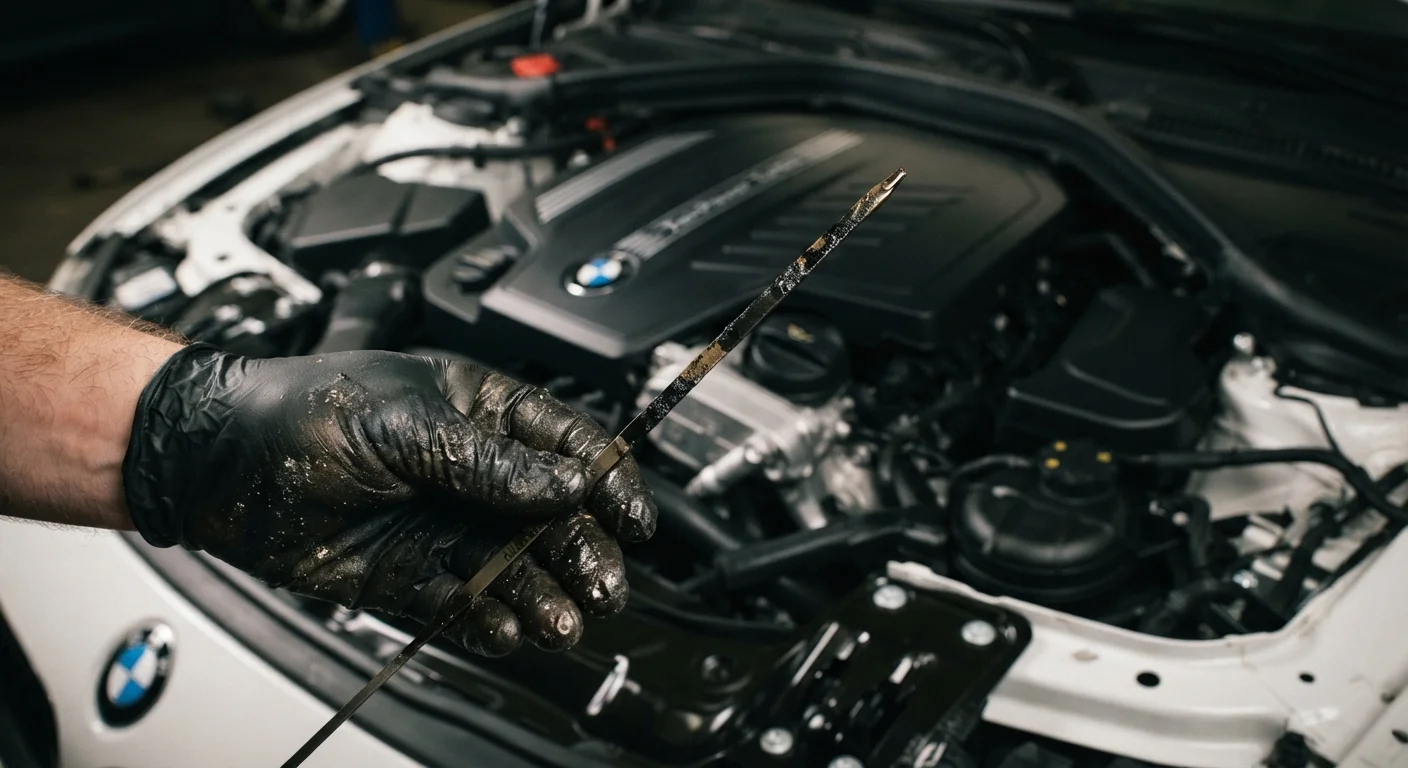
Engine oil does two essential jobs: it lubricates moving metal parts to reduce friction, and it carries away heat and combustion byproducts. Fresh oil is amber-colored and flows freely. Over time, heat, pressure, and contaminants break it down. The additives that protect your engine deplete, and the oil thickens into a dark, gritty paste that does more damage than good.
When oil can no longer flow properly, metal components - pistons, camshafts, crankshaft bearings - begin grinding against each other with much less protection. That friction generates heat, accelerates wear, and can eventually seize an engine entirely. Think of it like running a marathon in sand-filled shoes: the damage is subtle at first, then suddenly catastrophic.
Modern engines are precision-built with extremely tight tolerances. Even a thin film of sludge on critical surfaces can restrict oil passages and starve components of lubrication. This is why skipping even one or two intervals isn't a minor offense - it puts real stress on parts designed to operate within narrow parameters.
Sludge Buildup Can Be Irreversible
Once thick oil sludge deposits form inside an engine, cleaning it fully is difficult and sometimes impossible without disassembly. In severe cases, the only viable fix is a full engine replacement. Catching degraded oil early - through regular changes and level checks - is the only reliable way to prevent this outcome.
The Most Common Mistakes Drivers Make
Understanding why drivers skip oil changes - and how to correct course - is the first step toward protecting your investment.
Following the outdated 3,000-mile rule regardless of manufacturer guidance.
Why it happens: This interval was standard advice for decades and is still promoted by some quick-lube chains, so many drivers assume it applies to all vehicles.
Skipping oil checks between scheduled changes.
Why it happens: Drivers assume oil level stays constant between changes, but small leaks, burning oil, and consumption are common - especially in higher-mileage engines.
Ignoring the oil change interval when driving in severe conditions.
Why it happens: Most people apply a single interval to all driving, not realizing that stop-and-go city traffic, towing, extreme temperatures, and short trips are harder on oil than highway cruising.
Using the wrong oil viscosity or type for the vehicle.
Why it happens: Many drivers or discount shops substitute whatever oil is available, assuming all motor oil is interchangeable.
Delaying an overdue oil change because the car "seems fine."
Why it happens: Engine wear from degraded oil is often silent until it becomes severe - there's no dashboard light that says "your oil has lost its protective additives."
For a broader look at how routine neglect accumulates into major expense, see our guide to deferred maintenance costs - the same principle applies to vehicles.
The Real Financial Toll of Neglected Oil
Routine oil changes are among the least expensive scheduled maintenance tasks you'll face. Engine repairs are among the most expensive. A typical oil change costs between $30 and $100 depending on oil type and where you go. Compare that to common consequences of neglect:
- Sludge removal and cleaning: Several hundred dollars if caught early.
- Bearing replacement: Commonly $1,000-$3,000 depending on the vehicle.
- Engine rebuild or replacement: Often $3,000-$7,000 or more for many vehicles.
Beyond repair costs, a documented gap in maintenance history can reduce a vehicle's resale value and complicate private-sale negotiations. Buyers and dealers both review service records, and missing oil changes signal broader neglect. You can read more about these compounding ownership expenses in our overview of hidden costs of car ownership.
$4,000+
Average engine replacement cost
Industry repair data consistently shows engine replacement or rebuild costs ranging from several thousand dollars to well over $7,000 depending on vehicle make and engine complexity.
5-10x
Cost of repairs vs. prevention
Automotive maintenance experts broadly estimate that deferred vehicle maintenance leads to repair costs many times higher than the original preventive service would have cost.
There's also a warranty dimension. Many automakers require documented maintenance at specified intervals to maintain powertrain warranty coverage. Skipping oil changes - or lacking proof that you didn't - can give an insurer or manufacturer grounds to deny a claim on engine damage.
Setting the Right Interval - and Sticking to It
The old 3,000-mile rule was valid for older engine designs and conventional oil. Most modern vehicles using full synthetic oil can go significantly longer between changes - often 5,000 to 10,000 miles or more, depending on the manufacturer's recommendation. Your owner's manual is the authoritative source here, not a quick-lube sign or a sticker on your windshield.
If your vehicle has an oil life monitoring system, use it - but understand it's a tool, not a substitute for checking oil condition and level manually. Oil can look acceptable on a monitor but still be depleted of its protective additives.
For more on separating fact from fiction around service intervals, see the truth behind common oil change myths. And if you're rethinking your full vehicle maintenance budget, our breakdown of car ownership costs drivers forget to budget for is worth a read.
Don't Rely Solely on Dashboard Warnings
The oil pressure warning light signals a serious problem that has often already begun - it is not an early-warning system for overdue changes. By the time that light comes on, significant engine damage may already be occurring. Proactive scheduling, not reactive alerts, is what protects your engine long-term.