

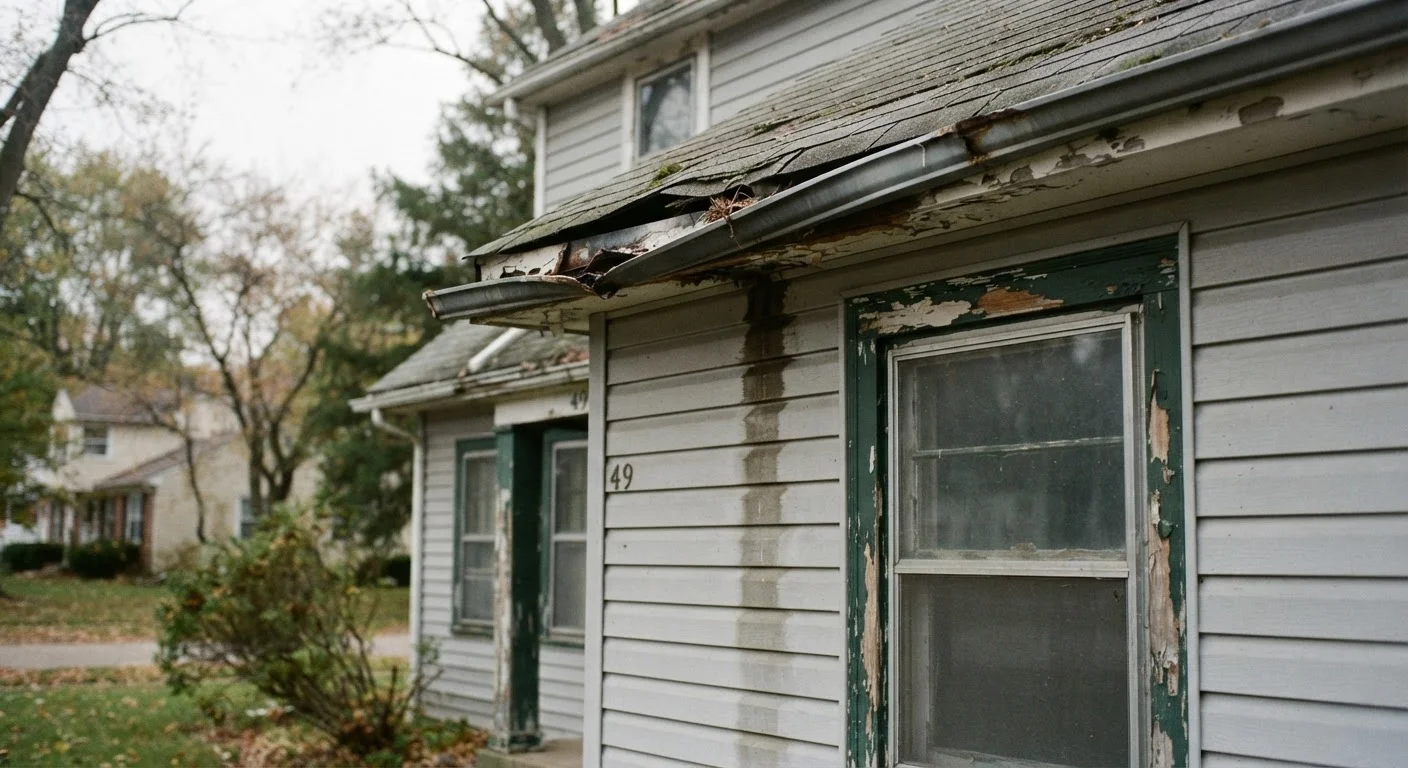
Key Takeaways
- Skipping small repairs rarely saves money - it typically shifts costs to a larger future bill.
- Water intrusion and moisture damage are among the fastest-escalating deferred maintenance issues.
- Prioritizing maintenance by risk of cascading damage helps homeowners use limited budgets effectively.
- A consistent seasonal maintenance schedule is one of the most reliable ways to prevent costly surprises.
- Deferred maintenance can affect home insurance claims, appraisals, and resale negotiations.
Deferred Home Maintenance
Deferred home maintenance refers to upkeep tasks that a homeowner knowingly postpones - sometimes due to cost, time, or simply not noticing the issue. Unlike planned maintenance, deferred repairs tend to compound: a minor problem left alone often creates a second, more serious problem that costs significantly more to fix. The term captures the gap between what a home needs and what actually gets done.
In real estate and property management, deferred maintenance is formally assessed during home inspections and appraisals and can directly affect a property's market value and insurability.
Why Small Problems Don't Stay Small
Most home repairs don't announce themselves with a crisis. They start quietly - a hairline crack in caulk, a slightly loose shingle, a slow drip under a sink. The problem with deferred maintenance isn't the original issue; it's what grows from it when it's left alone.
A failed window seal lets in moisture. That moisture softens the wood framing behind the trim. Over several seasons, that soft wood becomes a hospitable environment for mold and rot - a remediation job that can cost several times what a tube of caulk and an afternoon would have. This is the core dynamic of deferred maintenance: time converts small problems into system failures.
The same pattern plays out across nearly every home system. A clogged gutter doesn't just overflow - it can drive water under roofing material, saturate fascia boards, and eventually damage the foundation if water pools consistently near the base of the house. Understanding this cascade is the first step toward prioritizing what actually matters. For a fuller picture of each home system and its maintenance timeline, see the complete homeowner's maintenance overview.
Maintenance Neglect and Home Insurance
Homeowner's insurance is designed to cover sudden and accidental damage - not gradual deterioration from lack of upkeep. If an insurer determines that a claim resulted from long-term neglect rather than an unforeseen event, the claim may be denied or reduced. Policy language varies widely, so it's worth reviewing your coverage terms with a licensed insurance agent to understand your maintenance obligations.
The Systems Most Vulnerable to Neglect
Not all deferred maintenance carries equal risk. Some systems are remarkably forgiving; others escalate quickly and expensively. Knowing which is which helps homeowners direct limited time and money where it counts most.
- Roof and gutters: Water intrusion from damaged or missing shingles, failed flashing, or blocked gutters can spread to insulation, ceilings, and structural framing within a single wet season.
- HVAC systems: Skipping filter changes and annual inspections reduces efficiency and can cause premature equipment failure - a replacement that typically costs far more than years of routine servicing.
- Plumbing: Slow leaks under sinks or around toilets silently damage subfloors and cabinetry. By the time visible water damage appears, the structural repair may already be extensive.
- Exterior caulking and seals: Gaps around windows, doors, and penetrations are moisture's entry points. Resealing is inexpensive; the damage from not doing it often isn't.
- Foundation drainage: Grading that slopes toward the house, or downspouts that discharge too close to the foundation, can cause water intrusion in basements and crawl spaces over time.
This mirrors a pattern familiar to car owners - deferred fluid changes and worn components don't just affect one part; they stress surrounding systems. The logic is explored in a related piece on why skipping oil changes costs more than you think.
Prioritize by Cascade Risk
When you can't address everything at once, ask one question: if I ignore this, will it create a second, more expensive problem? Items that can trigger water intrusion, structural damage, or system failure belong at the top of your list. Cosmetic issues - scuffed paint, worn caulk on interior tile - can wait without serious consequence.
The Financial Logic of Staying Ahead
There's a common assumption that deferring maintenance saves money - after all, you're not spending anything right now. But that framing misses how repair costs actually scale. A minor roof repair might cost a few hundred dollars. The interior water damage, drywall replacement, and mold remediation that follow an ignored leak can run into the thousands.
1-2%
Annual home value to budget for maintenance
A widely cited rule of thumb among housing and personal finance educators - actual costs vary by home age, climate, and condition.
~10x
Cost multiplier when water damage goes unaddressed
Industry estimates from restoration contractors suggest that water damage remediation costs can grow by an order of magnitude when intervention is delayed by even one season.
35%
Home sales affected by inspection-flagged deferred maintenance
Real estate industry observers commonly note that deferred maintenance findings during inspection frequently lead to renegotiation or buyer withdrawal.
Deferred maintenance also affects your home's financial standing in ways that go beyond repair bills. During a sale, a home inspection that reveals a pattern of neglect gives buyers leverage to negotiate the price down or request concessions. In some cases, appraisers factor visible deferred maintenance into valuations. And as noted in the FAQ above, insurance claims for damage attributable to neglect may face complications at settlement time.
Thinking about upkeep costs over time - rather than in isolation - is a broader principle that applies to many purchases. A related article on the short-term vs. long-term cost of cheap purchases walks through that reasoning in a shopping context.
Building a Practical Maintenance Habit
The most reliable protection against deferred maintenance isn't a larger repair budget - it's a consistent rhythm of attention. Homeowners who walk their property regularly, address small issues promptly, and keep a simple log of what's been done and when tend to avoid the compounding cycles that lead to large, unexpected bills.
A seasonal approach works well for most households. Spring is a natural time to assess what winter exposed - roof condition, gutter debris, foundation drainage, and HVAC readiness for cooling season. Fall is when you prepare for cold: sealing gaps, servicing heating systems, and clearing gutters before they fill with leaves and freeze. For a structured month-by-month breakdown, the annual home maintenance calendar is a practical starting point.
If budget is a constraint, prioritize by cascade risk: fix what will cause secondary damage first, and defer only cosmetic or non-critical items. This general approach - spending thoughtfully now to avoid larger spending later - also connects to broader financial habits explored in the saving and debt hub.
This article is for general informational purposes only and does not constitute financial, insurance, or professional home repair advice. Costs, timelines, and risk levels vary significantly by home, location, and condition. Consult a qualified contractor, inspector, or licensed professional for guidance specific to your home's situation.