
Separation Anxiety in Dogs: Understanding the Condition and Managing It Humanely

Key Takeaways
- Separation anxiety is driven by fear and panic, not bad behavior or spite.
- Common signs include destructive chewing, excessive barking, and indoor accidents that only happen when alone.
- Punishment worsens anxiety — management and gradual desensitization are more effective.
- Mild cases may improve with consistent training; severe cases often benefit from professional guidance.
- A veterinarian can rule out medical causes and discuss behavioral support options.
Separation Anxiety in Dogs
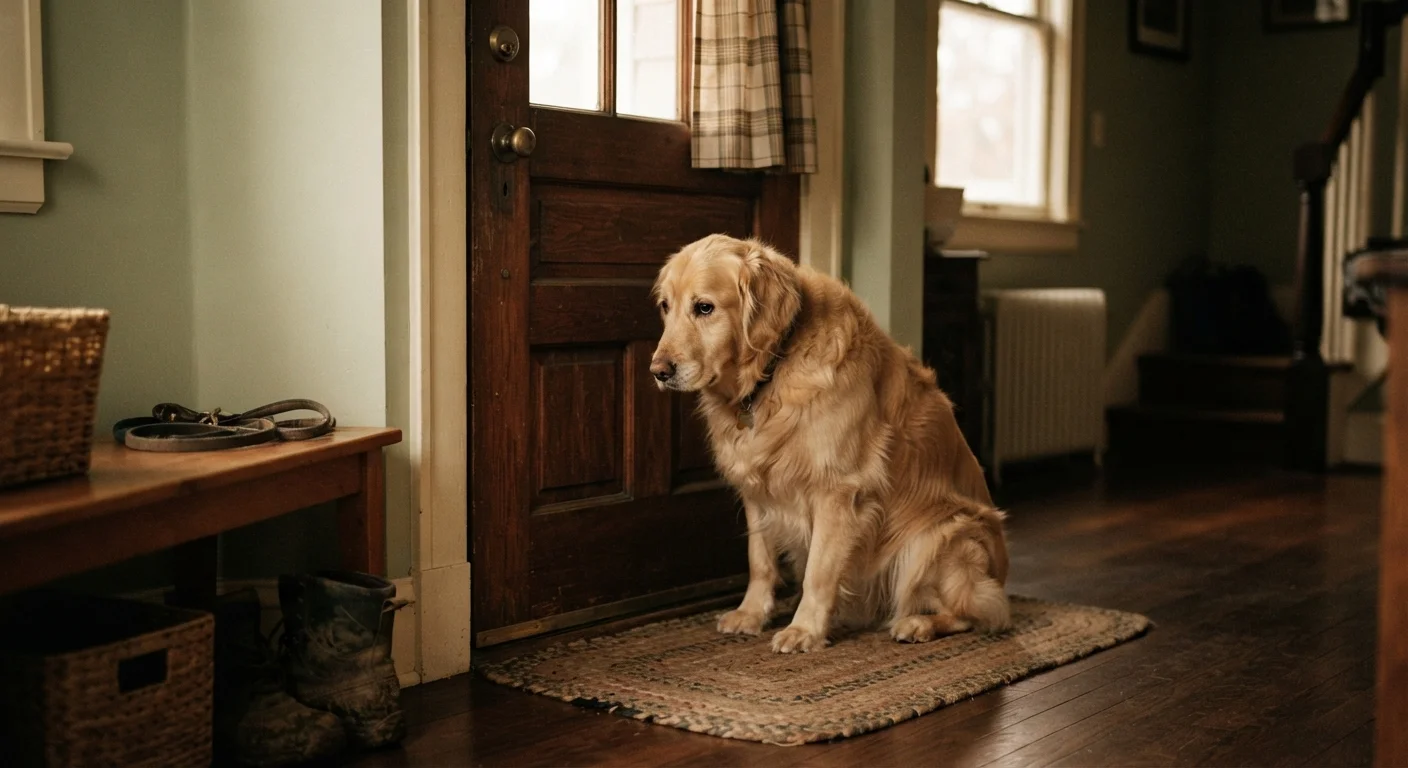
Separation anxiety is a behavioral condition in which a dog experiences significant distress when left alone or separated from the people they are bonded to. It goes beyond normal restlessness — it's a genuine emotional response driven by fear, not disobedience. Dogs with separation anxiety may bark, destroy furniture, pace, or have accidents indoors specifically because they are panicked by the absence of their owner.
Clinically, separation anxiety falls under the umbrella of anxiety disorders and can involve physiological stress responses, including elevated cortisol levels. A veterinarian or veterinary behaviorist should be involved when symptoms are severe or persistent.
What Separation Anxiety Actually Is — and Isn't
Separation anxiety is one of the most misunderstood conditions in dog behavior. It's frequently mislabeled as stubbornness, spite, or poor training. In reality, a dog experiencing separation anxiety is not acting out — they are in a state of genuine distress.
The condition is characterized by panic or extreme stress triggered by being left alone or separated from a primary attachment figure. That panic drives behaviors that often look destructive or disruptive to owners: chewing, howling, pacing, self-injury, or eliminating indoors. These behaviors are symptoms of an emotional state, not choices.
It's also worth noting what separation anxiety is not. A dog who chews your shoes while you're away out of boredom is not necessarily anxious — they may simply need more enrichment. Distinguishing true separation anxiety from boredom or under-stimulation is an important first step before starting any intervention.
A Camera Can Change Everything
Many owners are surprised by what they see when they review footage of their dog alone at home. Behaviors that seem dramatic or manipulative in description — like howling for hours — are clearly distress-driven when watched in real time. If you're unsure whether your dog has separation anxiety, a simple home camera setup during a short absence is often the most clarifying first step you can take.
Recognizing the Signs
Because dogs can't tell us they're struggling, the signs of separation anxiety tend to be behavioral — and they follow a telling pattern: they occur almost exclusively when the dog is alone or when the owner is preparing to leave.
- Destructive behavior focused on exits like doors and windows
- Excessive barking, howling, or whining that starts when you leave
- Accidents indoors in a house-trained dog
- Pacing, drooling, or trembling during departures
- Hyperattachment — following you from room to room when you are home
A home camera or pet monitoring device can be genuinely useful here. Watching footage of your dog's behavior in your absence often reveals patterns that aren't visible from the aftermath alone. For a broader look at how stress shows up in pets, see how to recognize stress cues in pets.
~14–20%
Estimated dogs affected by separation anxiety
Research published in veterinary behavior journals suggests roughly 14–20% of dogs show some degree of separation-related distress, though many cases go undiagnosed.
#1
Most common reason dogs are surrendered to shelters
Behavioral issues, including separation anxiety-related destruction and noise complaints, are among the leading drivers of owner surrenders in the U.S., according to animal welfare organizations.
What Causes It — and Which Dogs Are at Risk
Separation anxiety can develop in any dog, but certain factors increase the risk. These include:
- Major life changes — moving, a new schedule, or a family change can trigger the onset
- Rehoming or shelter history — dogs who have experienced abandonment may be more vulnerable
- Over-attachment early on — dogs who were rarely left alone as puppies may struggle more as adults
- Genetics and temperament — some breeds and individual dogs are simply more sensitive
It's also worth understanding that anxiety-based behaviors are not limited to separation. Anxiety in pets is frequently misread as disobedience, which means well-intentioned but misdirected responses — like punishment — can make things worse rather than better.
Humane Approaches to Managing Separation Anxiety
The most effective strategies work with the dog's emotional state rather than against it. Punishment is counterproductive: a dog who is already panicked cannot learn from a correction — it only adds more stress to an already overwhelming experience.
Gradual Desensitization
This involves slowly and systematically exposing your dog to departures in very small doses — seconds, then minutes — until they learn that your absence is predictable and temporary. It requires patience and consistency but is considered one of the most evidence-supported approaches.
Enrichment and Routine
Predictable daily routines reduce uncertainty, which is a key driver of anxiety. Mental enrichment — puzzle feeders, food-stuffed toys, and sensory variety — can help occupy and calm anxious dogs before and during alone time.
Professional Support
For moderate to severe cases, a certified veterinary behaviorist or a certified applied animal behaviorist can design a structured behavior modification plan. In some cases, a veterinarian may recommend medication as part of a comprehensive treatment plan — not as a substitute for behavioral work, but as a support alongside it.
Understanding why behavioral problems develop in the first place can also be helpful context. Most behavioral issues have identifiable causes — knowing them makes intervention more targeted and more effective.
Start With Very Short Absences
When beginning desensitization, keep initial departures under a minute — even stepping outside and returning immediately. The goal is to stay below the threshold where your dog becomes distressed. Gradually lengthening absences over days and weeks, only when the dog stays calm, builds tolerance in a sustainable way. Rushing this process typically sets progress back.
This article provides general information about dog behavior and is not a substitute for personalized veterinary or behavioral advice. If your dog is showing signs of significant distress, consult a licensed veterinarian or certified animal behaviorist.