

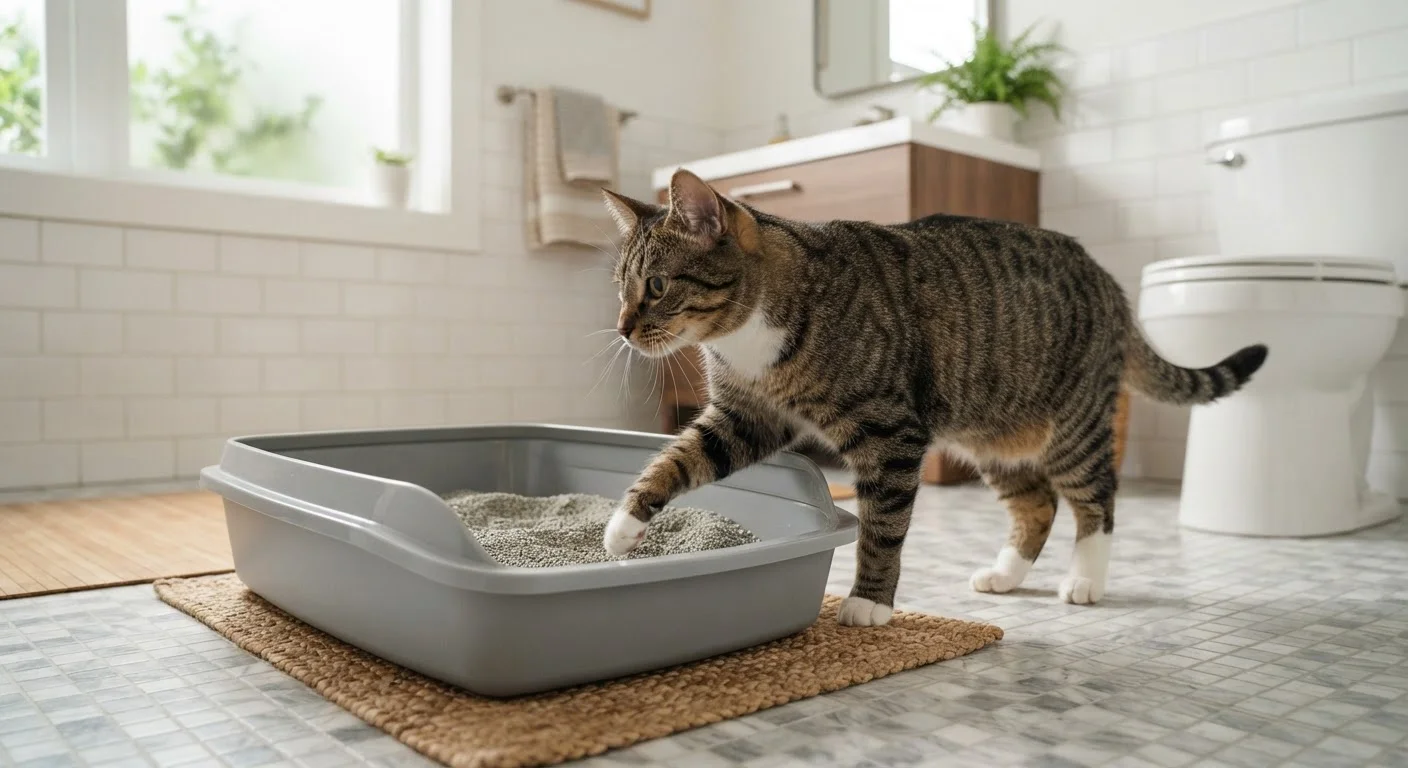
Key Takeaways
- Most cats learn litter box use naturally, but setup choices directly influence success or failure.
- Location, box size, litter type, and cleanliness are the four factors most often behind litter box problems.
- Punishment never works for litter training — positive reinforcement and environment adjustments do.
- Persistent avoidance of the litter box can signal a medical issue and warrants a veterinary visit.
Why Litter Training Is Usually Simple — Until It Isn't
Unlike puppies, most cats don't need to be formally taught to use a litter box. The instinct to dig, eliminate, and cover waste in a substrate is built into feline behavior. Kittens typically learn by watching their mothers, and adult cats adopted from shelters often transition with little effort.
The trouble starts when the setup fails the cat. An inconvenient location, an unpleasant litter texture, a box that's too small or too dirty — any of these can push even a well-adjusted cat to find alternatives. Understanding what cats actually need from a litter box is the foundation of preventing and solving problems. For owners just getting started, building this into a consistent daily routine makes a real difference — see our guide on building a pet care routine that sticks.
Best Practices That Actually Work
These are the environment and habit adjustments that veterinary behaviorists and cat welfare organizations consistently point to as most effective:
Choose the right box size and style for your cat
A cramped or uncomfortable box discourages use. Cats need room to turn around, squat, and cover waste without their sides touching the walls. High-sided boxes help cats that spray or dig vigorously; low-sided or top-entry options may not suit elderly cats or kittens.
Place the box in a quiet, low-traffic location that the cat can access at all times
Cats are vulnerable when eliminating and instinctively seek safe, private spots. A box tucked in a corner away from loud appliances and household foot traffic reduces anxiety and encourages regular use.
Scoop at least once daily and do a full litter change weekly
Cats have a far more sensitive sense of smell than humans. A box that seems tolerable to an owner may smell intolerably soiled to a cat. Consistent cleaning is the single most reliably effective habit for preventing box avoidance.
Offer unscented, fine-grained clumping litter as a starting point
Research and veterinary behaviorist guidance consistently show that most cats prefer unscented, fine-textured clumping litter over coarser, heavily perfumed alternatives. Scented litters are designed to appeal to humans, not cats.
Never use punishment for accidents outside the box
Punishment after the fact teaches a cat to fear the owner or the box area, not to use the box correctly. Cats do not connect delayed negative responses to past behavior, making punishment ineffective and potentially harmful to the relationship.
The One-Plus-One Box Rule
A widely recommended guideline in feline care is to provide one litter box per cat in the household, plus one additional box. This reduces competition in multi-cat homes and gives each cat a backup option, which significantly lowers the chance of elimination outside the box. Spread boxes across different rooms rather than clustering them in one area.
One rule of thumb widely cited in feline care: provide one litter box per cat, plus one extra. A two-cat household generally does better with three boxes, spread across different areas of the home.
Common Mistakes That Make Things Worse
Several well-meaning approaches reliably backfire:
- Punishing accidents. Rubbing a cat's nose in waste or raising your voice teaches fear of you, not correct litter behavior. It does not communicate what the cat should do instead.
- Placing the box in a high-traffic or noisy area. Cats need to feel safe and unhurried when eliminating. Laundry rooms with loud appliances or busy hallways often lead to avoidance.
- Switching litter types abruptly. If a change is needed, introduce the new litter gradually by blending it with the existing type over several days.
- Using strong-scented cleaners or heavily perfumed litters. What smells clean to humans can be overwhelming to cats. Unscented litters and mild soap-and-water cleaning are generally preferred.
When to Call Your Vet First
If your cat suddenly stops using the litter box, strains to urinate, cries out, or produces blood in urine or stool, contact your veterinarian promptly — these can be signs of urinary tract infections, blockages, or other conditions that need professional diagnosis. Behavioral solutions will not resolve a medical problem. This article is for general informational purposes and is not a substitute for veterinary advice.
Introducing a New Cat or Kitten to the Box
When bringing a new cat home, show them the litter box location immediately — don't assume they'll find it. Confine a kitten or new adult cat to a smaller area of the home at first, with the litter box clearly visible and accessible. Gradually expand their territory as they demonstrate consistent use.
Gently placing a kitten in the box after meals and naps can reinforce the habit without forcing it. If they use it, let the experience end positively — calm praise works; treats immediately after can also help. Never physically manipulate a cat's paws to mimic digging, as this causes stress and is counterproductive. Understanding more about how cats actually learn helps here: see how cats learn and how to work with their instincts.
When Box Avoidance Persists: Next Steps
If your cat consistently avoids the litter box despite clean conditions, appropriate location, and a suitable litter type, the next step is a veterinary exam to rule out medical causes. Urinary tract infections, kidney issues, constipation, and arthritis (which makes climbing into a box painful) are all common drivers of sudden or persistent avoidance.
Once medical causes are cleared, a veterinary behaviorist or certified cat behavior consultant can help identify environmental stressors or anxiety-based factors. Tracking patterns — which locations your cat uses, what time of day, whether it involves urine or stool — gives your vet useful diagnostic information. Our companion article on litter box habit changes worth monitoring covers what patterns signal a problem.
This article is for general informational purposes only and is not a substitute for advice from a licensed veterinarian. If your cat is showing signs of distress or sudden behavioral change, consult a veterinary professional promptly.