

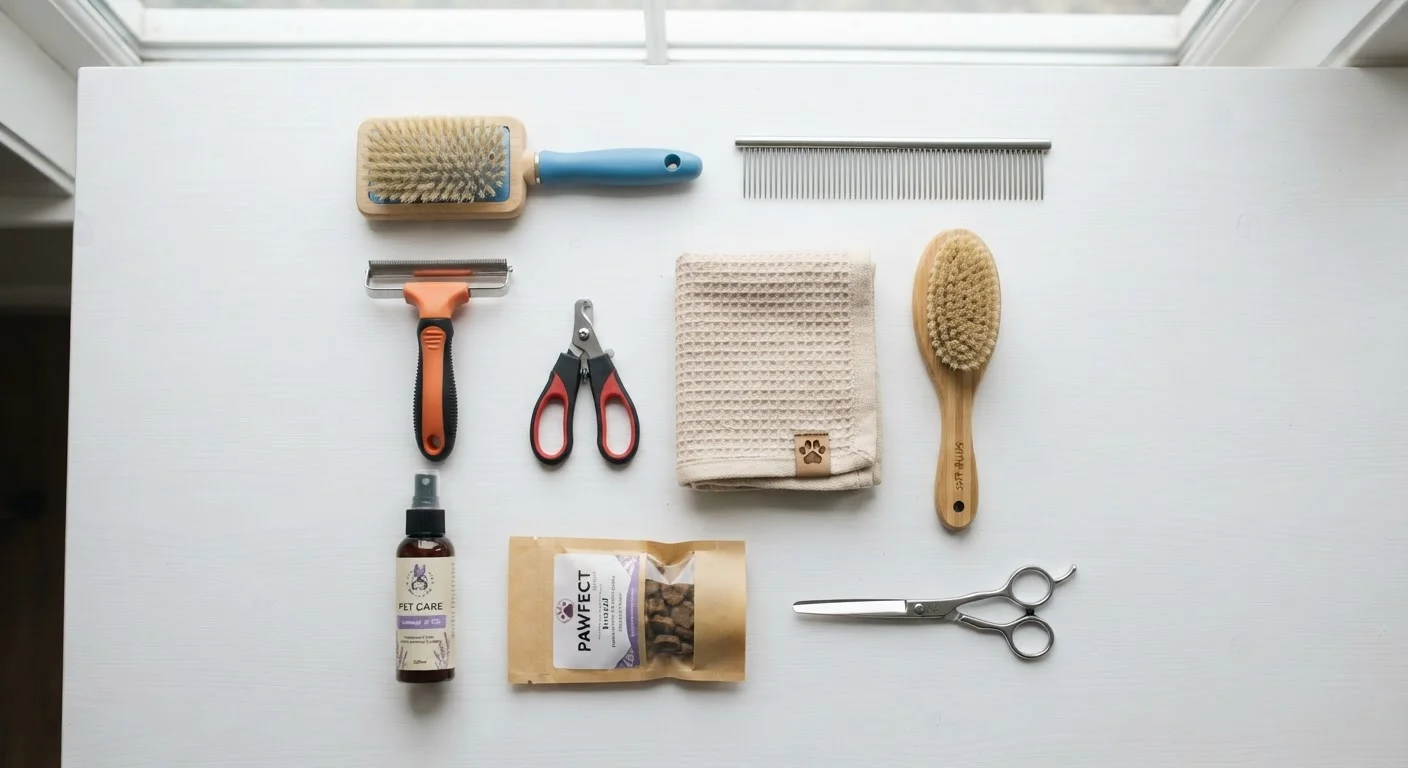
Why Grooming Frequency Matters
Grooming isn't just about appearances. Regular brushing prevents painful mats, nail trims protect joints and flooring, and ear checks catch infections before they become serious. The right frequency depends on species, coat type, and individual health — not a one-size-fits-all schedule.
For a broader look at maintaining your pet's wellbeing, the Pet Health & Wellness hub covers everything from nutrition to preventive care. If you're also wondering which tasks you can safely handle at home versus which need a professional, see Grooming at Home: What's Safe to Do Yourself and What Isn't.
Dogs: Coat Type Drives the Schedule
No two dogs groom the same way. A short-coated Beagle needs brushing about once a week, while a long-coated Golden Retriever may need daily attention to stay mat-free. Double-coated breeds like Huskies shed heavily in season and benefit from daily brushing during those periods.
- Short coats: Brush weekly; bathe every 4–6 weeks or when visibly dirty.
- Long or double coats: Brush 3–7 times per week; bathe every 4–8 weeks.
- Curly or wire coats: Brush 2–3 times per week; professional trim every 6–10 weeks.
- Nail trimming: Every 3–4 weeks for most dogs. A useful indicator — if you hear nails clicking on hard floors, it's time.
- Ear checks: Weekly; clean only when debris or mild odor is present, using a veterinarian-recommended cleaner.
Always consult your veterinarian if you notice redness, discharge, or persistent scratching — these may indicate an infection rather than a grooming need.
Cats: Self-Groomers With Limits
Cats groom themselves extensively, but that doesn't eliminate your role. Long-haired breeds like Maine Coons or Persians tangle easily and often need daily combing. Short-haired cats generally do well with a weekly brush-through to reduce shedding and hairballs.
- Short-haired cats: Brush once a week.
- Long-haired cats: Brush daily, focusing on behind the ears, under the arms, and around the collar area where mats form first.
- Bathing: Rarely necessary for most cats; when needed (medical reasons, flea treatment), use a cat-formulated shampoo only.
- Nail trimming: Every 2–3 weeks. Provide a scratching post to help cats maintain their own nails between trims.
- Dental care: Daily tooth brushing is the gold standard; enzymatic dental treats can supplement but do not replace brushing.
Matting
A tangle of fur that tightens over time and can pull painfully on the skin. Mats are most common in long-haired breeds and form quickly when brushing is skipped.
Double coat
A two-layer coat consisting of a dense, insulating undercoat and a longer outer layer of guard hairs. Breeds with double coats shed heavily and require more frequent brushing.
Molting
The natural process in which an animal sheds its old coat to grow a new one. In rabbits and some dog breeds, this can happen seasonally and requires increased brushing.
Quick (nail anatomy)
The blood vessel and nerve running through a pet's nail. Cutting into the quick causes pain and bleeding; knowing where it is helps you trim safely — or tells you when to call a professional.
Rabbits and Small Animals: Gentle but Consistent
Small pets are often underestimated when it comes to grooming needs. Rabbits, guinea pigs, and hamsters each have specific requirements — and mistakes can cause real harm. Never bathe a rabbit fully; it causes dangerous stress and hypothermia. Spot-clean soiled areas only.
- Rabbits: Brush weekly (daily during molting seasons). Trim nails every 4–6 weeks. Check ears monthly for wax buildup.
- Guinea pigs: Short-haired varieties need weekly brushing; long-haired (Peruvians, Shelties) need daily combing and periodic trimming. Nails every 4–6 weeks.
- Hamsters: Generally self-grooming; provide a dust bath for dwarf varieties. Occasional coat check for tangles in long-haired types. Nails rarely need trimming but monitor monthly.
- Gerbils and mice: Largely self-sufficient. Keep habitat clean; a dust bath can support coat condition in some species.
For a fuller picture of what small pet ownership really involves day to day, see Small Pet, Big Commitment. And if your small animal resists handling during grooming, learning to read their body language can make the process safer for both of you.
~50%
Pet owners who report irregular grooming routines
Industry surveys consistently suggest roughly half of pet owners groom reactively rather than on a set schedule, which can contribute to preventable skin and coat issues.
4–6 weeks
Typical nail trim interval for rabbits and guinea pigs
Veterinary small-animal care guidelines commonly recommend this interval to prevent overgrown nails that can curl and impair normal movement.
This article provides general pet care information for educational purposes only. It is not a substitute for personalized advice from a licensed veterinarian. Always consult a qualified professional regarding your individual pet's health and grooming needs.