
Preventive Pet Care: The Routine Practices That Reduce Long-Term Health Problems

Key Takeaways
- Annual or biannual vet exams catch developing health problems before they become costly emergencies.
- Consistent parasite prevention protects pets year-round, not just during warm months.
- Dental disease is among the most common—and preventable—conditions in dogs and cats.
- Maintaining a healthy body weight significantly reduces a pet's risk of joint, heart, and metabolic disease.
- Vaccinations follow a schedule tailored to species, lifestyle, and regional disease risk.
Why Preventive Care Pays Off
Most pet owners act quickly when something is obviously wrong — a limp, a lump, a sudden loss of appetite. The harder habit to build is doing the unglamorous, routine work when a pet seems perfectly fine. That's exactly when preventive care delivers its greatest value.
Conditions caught early — kidney disease, dental disease, obesity, parasitic infection — are almost always less costly and less traumatic to manage than the same conditions discovered late. Preventive care isn't just about avoiding bad outcomes; it's about giving your pet the best possible quality of life for as long as possible.
For a complete picture of how these habits fit into day-to-day life, the everyday habits that support a longer, healthier life for your pet offers vet-aligned guidance worth reading alongside this article. And if you're building these habits for the first time, Pet Health & Wellness is a good place to start.
The Core Preventive Practices
Six evidence-backed habits form the foundation of effective preventive care for most household pets. Taken together, they address the most common causes of preventable illness and premature decline.
Schedule wellness exams at least once a year — twice a year for senior pets.
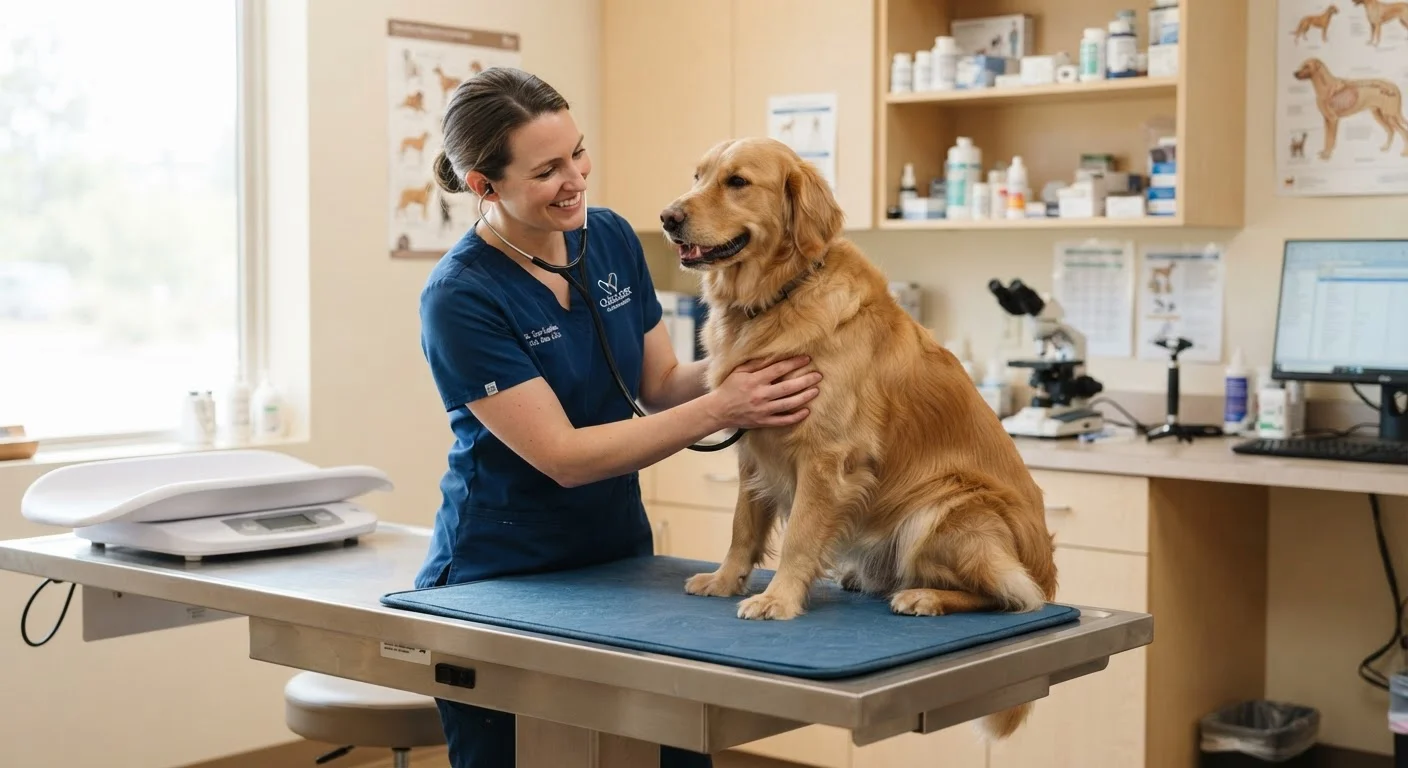
Routine exams allow veterinarians to detect early signs of disease, track weight and body condition, and update preventive treatments before problems escalate. Pets age faster than humans, meaning health status can shift significantly within twelve months. For a broader look at what these appointments cover, see what a wellness exam covers.
Keep vaccinations current according to your veterinarian's recommended schedule.
Core vaccines protect against serious, often fatal diseases — including rabies, distemper, and parvovirus in dogs; and panleukopenia and herpesvirus in cats. Lifestyle factors such as whether a pet goes outdoors, visits dog parks, or boards at kennels determine which additional vaccines may be appropriate.
Apply parasite prevention consistently, every month of the year.
Fleas, ticks, heartworm-transmitting mosquitoes, and intestinal parasites don't disappear entirely in winter, especially in milder climates. Gaps in prevention can lead to infestations or infections that are significantly harder and more expensive to treat than to prevent. Skipping prevention in colder months is one of the missteps vets frequently flag — explore habits that quietly harm pet health for more context.
Brush your pet's teeth regularly and schedule professional dental cleanings as advised.
Periodontal disease affects the majority of dogs and cats by age three, according to veterinary dental associations. Bacteria from untreated oral disease can enter the bloodstream and affect the heart, kidneys, and liver. Daily brushing with pet-safe toothpaste and annual professional cleanings are the most effective preventive combination.
Monitor your pet's body weight and body condition score at every vet visit.
Overweight and obese pets face substantially elevated risks of diabetes, osteoarthritis, respiratory problems, and shortened lifespan. Body condition scoring — a simple visual and tactile assessment — gives owners and vets a consistent tool to catch weight gain early, when dietary adjustments are most effective.
Keep a home health record tracking vaccine dates, parasite prevention, medications, and behavioral changes.
A written or digital record helps you stay ahead of due dates, provides critical information in an emergency, and gives any veterinarian treating your pet accurate historical context. See what to track in a home pet health record for a practical starting checklist.
Preventive Care Varies by Species
The specific vaccines, parasite protocols, and screening intervals recommended for dogs differ from those for cats, rabbits, ferrets, and other companion animals. Always work with a licensed veterinarian to build a care plan that fits your pet's species, age, lifestyle, and health history. General guidance in this article applies broadly but is not a substitute for individualized professional advice.
For guidance on how frequently each type of exam or screening is typically recommended, see how often you should take your pet to the vet. And if your pet is entering their senior years, their needs shift in specific ways — senior pet care health needs covers what to expect and how to adapt.
Start Today: Small Steps That Build Lasting Habits
Preventive care doesn't require an overhaul of your daily routine. In most cases, a few deliberate, repeatable actions are all it takes to significantly reduce your pet's long-term health risk. The quick wins below are designed to be done today — no special equipment or training required.
If you want to think ahead about how to financially prepare for your pet's care needs over time, pet insurance vs. a dedicated savings account walks through the tradeoffs objectively. And no preventive plan is complete without being ready for the unexpected — building a pet emergency kit is a practical complement to everything covered here.
This article provides general pet health information for educational purposes only. It is not a substitute for professional veterinary advice, diagnosis, or treatment. Always consult a licensed veterinarian for guidance specific to your pet's health needs.