

Key Takeaways
- Most healthy adult dogs and cats need a vet wellness visit at least once a year.
- Puppies, kittens, seniors, and pets with chronic conditions often need more frequent visits.
- Routine exams catch health issues early, when treatment is typically simpler and less costly.
- Vet visit frequency varies by species — small mammals, birds, and reptiles have different needs.
- Between visits, monitoring your pet's daily habits can help you spot changes worth reporting.
Pet Wellness Visit
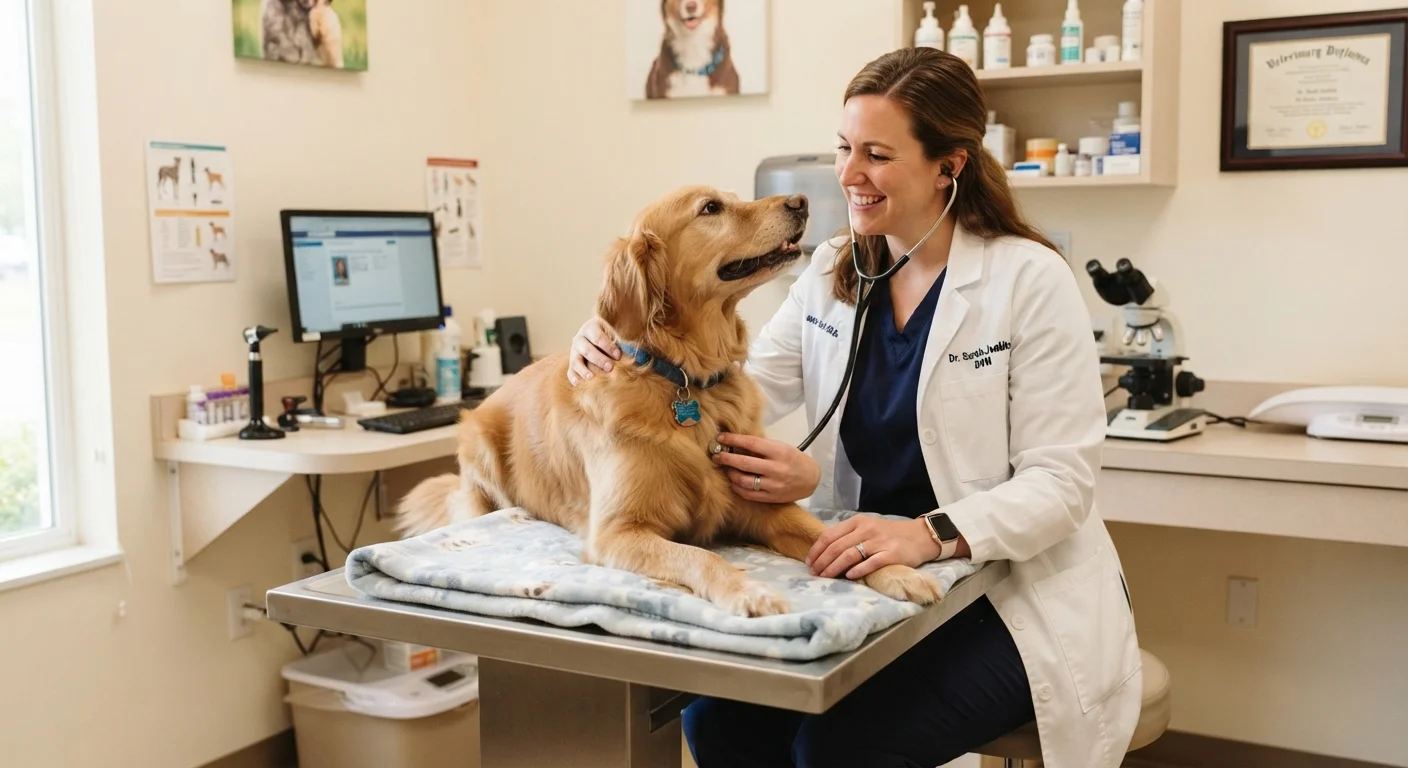
A pet wellness visit is a scheduled checkup with a veterinarian when your pet appears healthy — not just when something is wrong. These visits allow a vet to assess your pet's overall condition, update vaccinations, and catch early signs of disease that may not yet be visible to you at home. Think of it as preventive maintenance rather than reactive treatment.
Wellness exams typically include a nose-to-tail physical assessment, weight and body condition scoring, and a review of vaccination and parasite prevention status — all calibrated to your pet's age, species, and lifestyle.
Why Routine Visits Matter Even When Your Pet Seems Fine
One of the most common misconceptions among pet owners is that a vet visit is only necessary when something is visibly wrong. In reality, many serious conditions — dental disease, early kidney decline, heart murmurs, and certain cancers — show little to no outward symptoms until they've advanced significantly. A routine wellness exam creates a regular opportunity to catch these changes before they become harder or more expensive to manage.
For a practical overview of what these exams actually cover, see what a wellness exam includes and why it matters. Routine visits also keep vaccination and parasite prevention schedules on track — both of which are foundational to long-term health. Learn more about that foundation in our guide to preventive pet care practices.
Vaccine Schedules Vary by Pet and Lifestyle
Not every pet needs every vaccine every year. A vet will assess your pet's risk factors — such as exposure to other animals, travel, or time outdoors — to determine which vaccines are appropriate and how often. For a detailed breakdown, see our guide to core vs. non-core vaccine schedules.
Recommended Visit Frequency by Life Stage and Species
There is no single schedule that works for every pet. Frequency depends on your animal's species, age, and individual health status. Below is a general framework aligned with common veterinary guidance:
- Puppies and kittens: Visits every 3–4 weeks from around 6–8 weeks of age until approximately 16 weeks, covering vaccine series, deworming, and early development checks.
- Healthy adult dogs and cats (roughly 1–7 years): Once annually for a comprehensive wellness exam, updated vaccines as needed, and a parasite prevention review.
- Senior pets (generally 7+ years for dogs and cats): Every six months. Organ function, weight, joint health, and cognition can shift quickly at this stage.
- Small mammals (rabbits, guinea pigs, ferrets): At minimum annually, though twice-yearly is often recommended since these animals can mask illness effectively.
- Birds: Annual wellness exams are a solid baseline; many avian vets suggest every six months for early detection of respiratory and nutritional issues.
- Reptiles: At least annually with a vet who has reptile-specific experience, as husbandry-related illness is common and easy to overlook.
1 in 3
Pets showing hidden illness at routine exam
Veterinary studies have consistently found that a significant proportion of pets presenting for routine wellness visits have at least one health issue identified that owners were unaware of.
~7 years
Age when senior care protocols typically begin
Most veterinary guidelines define dogs and cats as seniors around age seven, at which point twice-yearly exams are commonly recommended to monitor age-related health changes.
Every 3–4 weeks
Puppy and kitten visit frequency in early months
The American Animal Hospital Association (AAHA) guidelines recommend repeated wellness visits for young animals in their first few months to complete vaccine series and developmental assessments.
Pets With Chronic Conditions Need More Frequent Check-Ins
If your pet has a diagnosed condition — diabetes, heart disease, arthritis, allergies, or thyroid disease — your vet will likely recommend visits more often than once a year. These appointments allow monitoring of disease progression, medication effectiveness, and quality of life. The schedule will be tailored to your specific pet, so follow your veterinarian's guidance closely rather than defaulting to a general rule.
Keep a Simple Health Log for Your Pet
A brief weekly note about your pet's appetite, energy, water intake, and bathroom habits takes just a minute and gives your vet valuable context at appointments. Even small patterns — eating a bit less, drinking more, sleeping longer — can be meaningful when documented over time.
Between appointments, pay close attention to everyday patterns. Changes in how much your pet drinks, eats, moves, or eliminates are among the earliest signals that something may be shifting. Our article on daily habits that support long-term pet wellbeing offers practical guidance on what to watch for at home.
Making the Most of Every Vet Appointment
The value of a vet visit depends partly on how prepared you are. Bringing a written list of questions, noting any behavioral or physical changes you've observed, and having your pet's health records organized can make every appointment more productive. See our veterinary visit prep checklist for a step-by-step guide to arriving ready.
If your pet's behavior ever changes suddenly or you're unsure whether a symptom warrants urgent attention, review when to go to emergency vs. regular vet care to help you decide quickly. For a broader look at pet health guidance, visit our Pet Health & Wellness hub.
This article is for general informational purposes only and does not constitute veterinary advice. Always consult a licensed veterinarian for guidance specific to your pet's health needs.