

Key Takeaways
- Pet obesity affects an estimated 50–60% of dogs and cats in the United States.
- Extra body weight is linked to joint disease, diabetes, heart strain, and shorter lifespan in pets.
- Vets use Body Condition Scoring, not just scale weight, to assess a pet's healthy size.
- Overfeeding, low activity, and spaying or neutering can all contribute to gradual weight gain.
- Early intervention is more effective than waiting until weight becomes a serious health issue.
- A veterinarian should guide any meaningful change to a pet's diet or exercise routine.
Pet Obesity
Pet obesity is a condition in which a cat or dog carries significantly more body fat than is healthy for their size, breed, and age. It is typically defined as body weight 20% or more above the ideal. Unlike simply being a cosmetic concern, excess weight places real strain on a pet's joints, organs, and immune system. It is also one of the most common preventable health problems seen in veterinary practices across the United States.
Veterinarians typically use a Body Condition Score (BCS) scale — either 1–5 or 1–9 — rather than the scale alone to assess whether a pet carries excess fat relative to their frame and muscle mass.
Why This Conversation Gets Skipped
At a typical vet visit, there's a lot to cover — vaccines, parasite prevention, dental health, and any new symptoms. Weight often gets mentioned briefly, if at all. Part of that is time. Part of it is that many pet owners don't recognize gradual weight gain because it happens slowly, and an overweight pet can still seem energetic and happy.
But veterinary organizations consistently report that obesity is among the most common conditions they see in companion animals — and one that quietly accelerates other health problems. Understanding what pet obesity actually means, and why it matters, is one of the most useful things a pet owner can know. See our guide to what happens at a wellness exam for a fuller picture of what vets assess during routine visits.
What Extra Weight Actually Does to a Pet's Body
Excess body fat isn't just stored energy — it's metabolically active tissue that releases inflammatory compounds. Over time, those effects accumulate across multiple body systems.
~59%
Of U.S. dogs classified as overweight or obese
According to Association for Pet Obesity Prevention surveys, more than half of dogs in the United States are estimated to be overweight or obese.
~61%
Of U.S. cats classified as overweight or obese
The same surveys indicate that cats have even higher obesity rates than dogs among American household pets.
~2 years
Potential reduction in lifespan from excess weight in dogs
Research on Labrador Retrievers published in veterinary literature suggested that lean dogs lived approximately two years longer than overweight counterparts.
- Joints: Additional weight increases mechanical load on hips, knees, and elbows, accelerating cartilage breakdown and worsening conditions like arthritis.
- Metabolism: Obese cats are at significantly higher risk of developing Type 2 diabetes. Dogs can face insulin resistance and other metabolic disruptions.
- Heart and lungs: Fat deposits around the chest can make breathing harder, and the heart must work more to circulate blood through a larger body.
- Lifespan: Research in dogs has suggested that maintaining a lean body weight may add roughly two years to a pet's life compared to an overweight counterpart.
These aren't worst-case scenarios — they're well-documented outcomes that veterinarians see regularly in clinical practice.
How Vets Actually Measure It
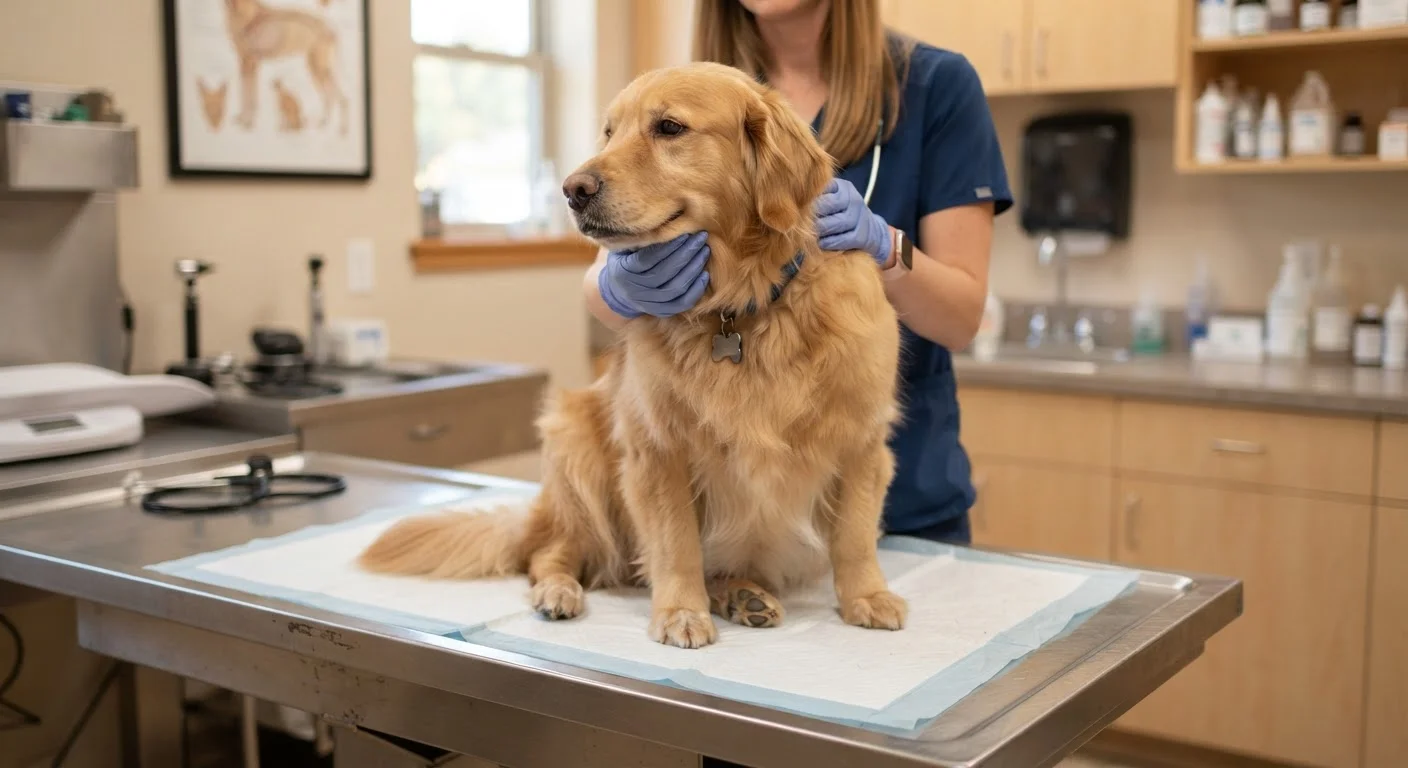
The number on the scale is just a starting point. A 70-pound Labrador might be at a healthy weight; a 70-pound Beagle likely is not. That's why vets rely on the Body Condition Score (BCS), a hands-on and visual assessment that evaluates fat coverage over the ribs, waistline visibility, and abdominal tuck.
On a 9-point scale, a score of 4–5 is typically considered ideal. Scores of 7 or above indicate obesity. The BCS helps separate muscle mass from fat, which a scale alone cannot do. This is explained in more detail in our article on why the scale doesn't tell the whole story for pets.
Try the Rib Check at Home
Stand your pet beside you and run your fingers along their ribcage with light pressure. You should feel individual ribs without having to press hard — like feeling knuckles through a thin layer. If you can't feel the ribs at all, or if the waist has disappeared when viewed from above, that's a conversation worth having with your vet at the next visit.
What Causes Weight to Creep Up
Weight gain in pets is almost always gradual — and it rarely has a single cause. The most common contributors include:
- Overfeeding: Recommended feeding amounts on pet food packaging are often general guidelines, not precise prescriptions for every individual animal.
- Treats and table scraps: Extra calories from treats can easily exceed 10–20% of daily intake without owners realizing it.
- Reduced activity: Older pets, or those in smaller homes, naturally move less — but their food portions often don't change to match.
- Hormonal changes: Spaying and neutering can lower metabolic rate in some animals, making weight management more active work post-surgery.
- Breed predispositions: Certain breeds — including Labrador Retrievers, Beagles, and Domestic Shorthair cats — are genetically more prone to weight gain.
Some of these factors stem from well-intentioned pet care habits that owners don't realize are adding up over time.
Breed and Individual Variation Matter
Healthy weight ranges vary significantly across breeds and even individual animals. A weight that's ideal for one dog may be inappropriate for another of the same breed. This is why a Body Condition Score assessed by your veterinarian is more meaningful than comparing your pet to a chart or to other pets you know.
What You Can Do — With Your Vet's Guidance
If you're concerned about your pet's weight, the right first step is a conversation with your veterinarian — not a sudden change in portions or an over-the-counter diet food. Drastic calorie restriction, especially in cats, can trigger a dangerous liver condition called hepatic lipidosis.
Your vet can help you calculate appropriate daily calorie targets, identify whether an underlying condition like hypothyroidism is contributing, and recommend a realistic activity plan suited to your pet's age and joint health. Weight loss in pets is typically slow and intentional — a loss of 1–2% of body weight per week is generally considered appropriate.
Caring for your pet's weight fits into the broader foundation of everyday pet care basics — small, consistent habits that compound over time into better long-term health outcomes.
This article is for general informational and educational purposes only and does not constitute veterinary advice. Always consult a licensed veterinarian for guidance specific to your pet's health needs.