

Key Takeaways
- A pet's number on the scale doesn't account for muscle mass, breed differences, or fat distribution.
- Veterinarians use a 9-point Body Condition Score system to assess pet weight more accurately.
- Both underweight and overweight conditions carry real health risks for dogs and cats.
- Regular hands-on assessments at home can help you catch gradual weight changes early.
- Always work with your vet before making significant changes to your pet's diet or exercise routine.
Body Condition Scoring (BCS)
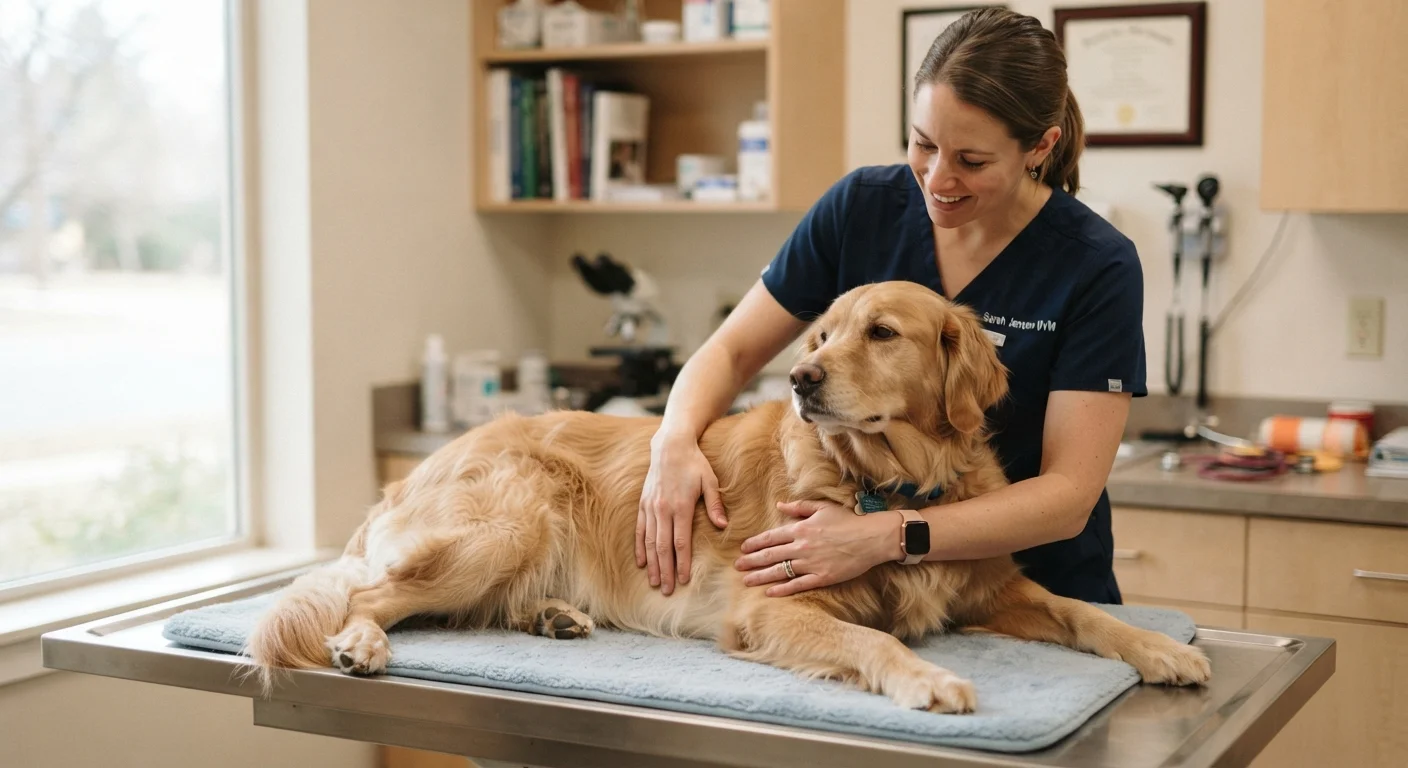
Body Condition Scoring is a hands-on method veterinarians use to evaluate a pet's fat and muscle distribution, independent of body weight. It uses a standardized 9-point scale (or sometimes 5-point) to rate whether a pet is underweight, ideal, or overweight. A dog or cat at an ideal BCS has ribs that can be felt easily but not seen prominently, a visible waist, and a tucked abdomen.
BCS correlates more reliably with health outcomes than scale weight because it accounts for lean muscle mass versus fat mass — two pets of identical weight can have very different body compositions and health risks.
Why Scale Weight Alone Misses the Point
When you step on a scale, the number is just one data point. The same is true for your pet. A 12-pound cat and a 12-pound cat of the same breed can have completely different health profiles depending on how much of that weight is fat versus lean muscle. Scale weight doesn't account for frame size, breed norms, or body composition — all of which matter for long-term health.
This is especially important for dogs, where healthy weights vary enormously by breed. A Labrador Retriever and a Greyhound at the same scale weight would have very different healthy baselines. Veterinarians have long recognized this limitation, which is why hands-on body condition assessment has become the clinical standard.
To understand what's driving gradual changes in the first place, see our guide on why pets gain weight gradually.
~60%
U.S. dogs and cats classified as overweight or obese
According to the Association for Pet Obesity Prevention's annual clinical surveys of veterinary practices across the United States.
9-point
BCS scale used by most veterinary practices
The World Small Animal Veterinary Association (WSAVA) recommends the 9-point BCS system as a standard tool for body composition assessment in dogs and cats.
2–2.5 years
Estimated lifespan reduction linked to moderate obesity in dogs
Referenced in long-term canine weight and longevity research published in veterinary nutrition literature, though individual outcomes vary widely.
How Body Condition Scoring Works
The Body Condition Score (BCS) system gives vets and pet owners a consistent, repeatable way to evaluate a pet's fat coverage and overall body composition. The most common version uses a 9-point scale:
- 1–3: Underweight — ribs, spine, and hip bones are prominently visible or easily felt with little fat cover.
- 4–5: Ideal — ribs are easily felt but not visible; waist is visible from above; abdomen is tucked when viewed from the side.
- 6–7: Overweight — ribs felt only with firm pressure; waist barely visible; abdomen rounded.
- 8–9: Obese — ribs cannot be felt; heavy fat deposits over the spine and limbs; no waist definition.
You can do a basic version of this assessment at home. Place both thumbs on your pet's spine and spread your fingers across the ribcage. You should feel each rib distinctly without pressing hard — if you can't, that's a signal worth discussing with your vet.
Try the Rib Check at Home
Once a month, gently run your fingertips along your pet's ribcage without pressing hard. Each rib should be distinguishable, similar to how your knuckles feel with a light touch on the back of your hand. If you have to press firmly or can't feel the ribs at all, that's worth mentioning at your next vet appointment. This quick check takes under 30 seconds and builds familiarity with your pet's normal condition.
What Both Ends of the Scale Mean for Health
Most conversations about pet weight focus on overweight and obese animals — and for good reason. Excess body fat is associated with a range of health concerns in dogs and cats, including joint stress, reduced mobility, metabolic changes, and lower quality of life. For a closer look at why this matters at the vet visit, see the health risks of excess weight in pets.
But being underweight carries its own risks. Pets with a BCS of 3 or below may have inadequate muscle mass, immune function challenges, or underlying health conditions driving weight loss. Weight loss in an adult pet that isn't on a intentional diet program should always prompt a veterinary visit — it's rarely just a metabolism quirk.
Muscle condition score (MCS) is an additional tool some vets use alongside BCS to evaluate muscle wasting, which can occur even in pets that appear at a normal weight. This is particularly relevant in senior animals.
Practical Steps for Monitoring Your Pet at Home
You don't need special equipment to keep a rough eye on your pet's condition between vet visits. A simple monthly routine can help you catch changes before they become significant.
- Rib check: Feel along the ribcage with light pressure. Ribs should be palpable but not protruding.
- Waist check: Look at your pet from above. There should be a visible narrowing behind the ribs.
- Side profile: The abdomen should tuck upward slightly from the chest toward the hind legs — not hang flat or sag.
- Weight log: Use a baby scale for cats or small dogs, or step on a bathroom scale holding your pet, then subtract your weight. Record monthly.
Nutrition also plays a central role. Understanding what goes into your pet's food supports better weight decisions — our article on decoding pet nutrition labels is a useful companion to this topic.
For broader wellness habits that support healthy weight long-term, see everyday habits for a longer, healthier pet life.
This article is for general informational purposes only and does not constitute veterinary or medical advice. Always consult a licensed veterinarian for guidance specific to your pet's health and needs.