

Key Takeaways
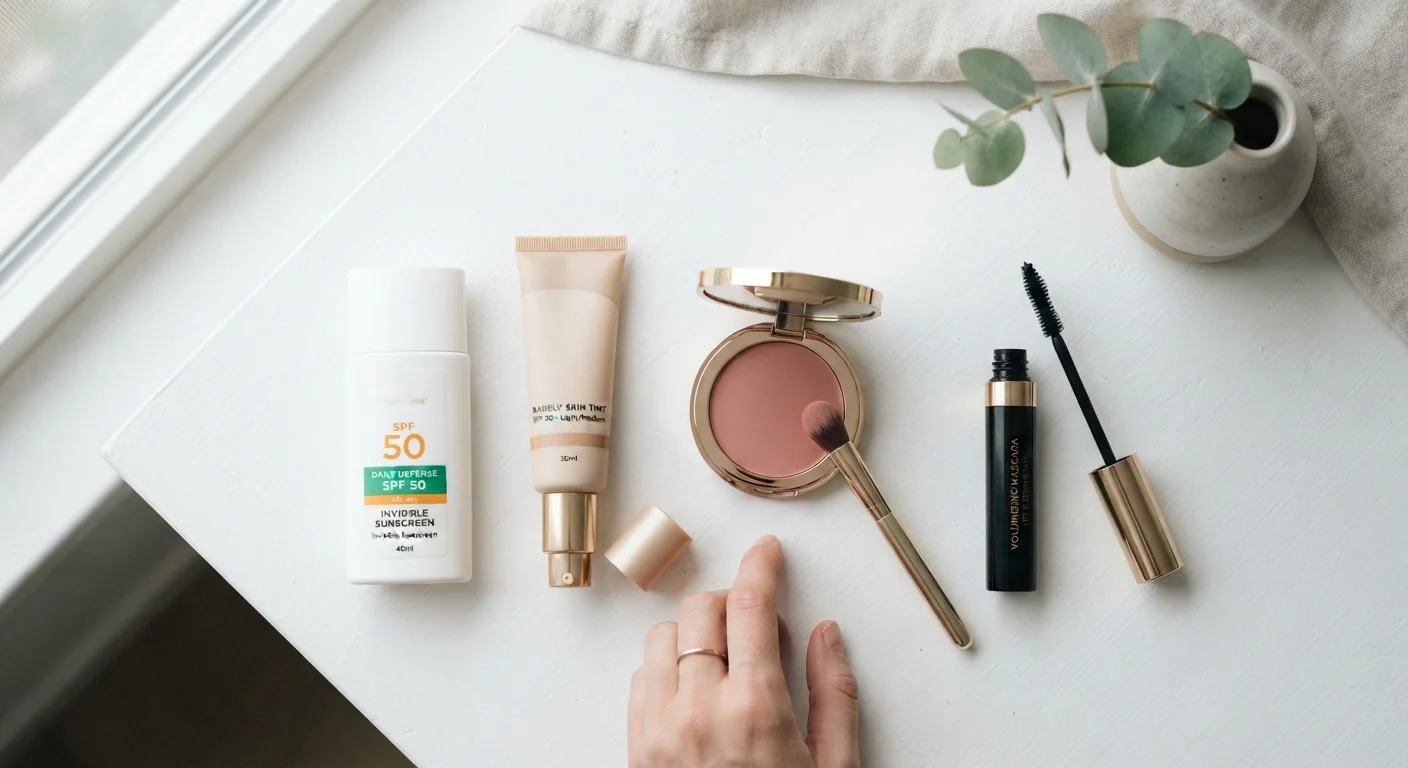
- Skin-friendly makeup starts with a well-hydrated base and broad-spectrum SPF applied before any color products.
- Lightweight, breathable formulas can provide coverage without significantly disrupting the skin's natural barrier.
- Removing makeup thoroughly each evening is just as important as the products you apply during the day.
- Choosing formulas suited to your skin type — oily, dry, or combination — makes application easier and wear more comfortable.
- Less product layering generally means less potential for clogged pores and irritation over time.
Why Skin Health and Makeup Should Work Together
For a long time, makeup and skincare were treated as separate worlds — one covering up what the other was trying to fix. That framing has shifted, and for good reason. When your daily makeup approach is built around your skin's actual condition, the two stop competing and start complementing each other.
The foundation of any skin-friendly look is what happens before the first product touches your face. Cleansing, moisturizing, and applying SPF aren't just skincare steps — they're the prep work that makes makeup sit better, last longer, and feel more comfortable throughout the day. If you're curious about how to sequence those steps properly, our skincare layering guide breaks down exactly why order matters.
The looks below aren't about achieving a specific aesthetic. They're approaches — small, intentional choices that let you enjoy wearing makeup while keeping your skin in decent shape underneath.
Start with SPF — Every Single Day
Broad-spectrum sun protection is the single most consistently supported step in any skin-health-focused routine. Dermatologists widely recommend it as a daily habit regardless of weather or season, because UV exposure contributes to premature aging and uneven skin tone over time.
Many tinted moisturizers and lightweight foundations now include SPF, which can simplify your routine. That said, makeup alone is rarely applied in an even enough layer to deliver the labeled SPF protection — so applying a dedicated SPF underneath is still the more reliable approach. Think of any SPF in your makeup as a helpful bonus rather than your primary shield.
SPF in makeup is a bonus — a dedicated sunscreen underneath is still the reliable choice.
Choose Coverage That Matches What Your Skin Actually Needs
Heavy, full-coverage formulas can look gorgeous but may feel uncomfortable across a full workday, especially in warmer months or for skin that leans oily. Lighter options — tinted moisturizers, skin tints, and sheer foundations — often let skin breathe more freely while still evening out tone and softening redness.
Matching your formula to your skin type matters more than chasing a particular finish. Dry skin tends to look more comfortable in hydrating, dewy formulas. Oily or combination skin often performs better with formulas labeled oil-free or non-comedogenic (meaning they're formulated to avoid clogging pores, though individual responses vary). For more on why shade selection adds its own layer of complexity, see our piece on why foundation shade never quite matches.
Matching your formula to your skin type matters more than chasing a particular finish.
Lean Into Cream and Balm Textures
Cream blushes, balm highlighters, and creamy eyeshadows tend to blend seamlessly into skin rather than sitting on top of it. For drier skin especially, these textures feel more comfortable and avoid the chalky, patchy look that can come from powder products applied over dry patches.
Cream textures also mean fewer products layered on top of each other, which tends to be gentler on skin overall. A single cream blush tapped onto cheeks and blended upward with fingertips can double as a subtle lip tint — one product doing double duty keeps the routine efficient and the look natural.
Cream blushes and balms often feel more skin-friendly and pull double duty across the face.
Consider Whether You Actually Need a Primer
Primers are marketed as essential for extending wear and blurring texture, but they're not a universal necessity. Whether one helps — or is even worth adding — depends significantly on your skin type, the products you're layering over it, and how long you need your makeup to last.
If you find your makeup migrating by midday, a primer might help. If your skin is already well-moisturized and your formula is lightweight, skipping the primer step often simplifies things without any noticeable trade-off. Our honest take on whether you actually need a primer walks through the scenarios where one earns its place.
Whether a primer actually helps depends on your skin type and how long your makeup needs to last.
Make Thorough Removal Part of the Look
No makeup routine is truly skin-friendly if it ends with makeup left on overnight. Sleeping in makeup — especially foundation and mascara — can contribute to clogged pores, dullness, and irritation over time. Removal is the step that closes the loop on a skin-first approach.
A gentle, effective cleanse doesn't have to be complicated. Micellar water, cleansing balms, and oil-based cleansers are all widely used for dissolving makeup before a follow-up wash. For a fuller picture of what a supportive nighttime routine looks like, our evening skincare habits guide covers what's genuinely worth forming into a nightly habit. Good removal also sets your skin up better for the next morning's routine — which ties neatly into building a balanced daily routine overall.
Removal is the step that closes the loop — sleeping in makeup undermines everything applied before it.
Building Your Skin-First Routine
The goal isn't a bare face or a full-coverage face — it's a thoughtful one. Whether you're drawn to a barely-there look or prefer a more polished finish, the same principles apply: prep well, choose formulas that suit your skin type, and always remove makeup before bed.
Patch Test New Formulas First
Whenever you introduce a new makeup product, consider applying a small amount to your inner arm or jawline for a day or two before full use. This is especially worth doing if your skin is sensitive or prone to reactions. If you notice redness, itching, or breakouts, discontinue use and consult a dermatologist.
If you're newer to makeup in general and want a stripped-back starting point, our article on everyday makeup for beginners is a low-pressure place to start. And since skin's needs shift over the decades, it's worth reading how skin changes with age so your routine can evolve alongside it.
This article is for general informational purposes only and is not a substitute for advice from a licensed dermatologist or skincare professional. If you have a skin condition, consult a qualified healthcare provider before changing your routine.