

Key Takeaways
- Buying in bulk only saves money when you actually use what you purchase before it expires.
- Unit price comparisons are essential — bulk packaging isn't always cheaper per ounce or serving.
- Storage space, household size, and consumption habits should drive every bulk-buying decision.
- Stockpiling items you don't regularly use is one of the fastest ways to waste grocery money.
When Bulk Buying Backfires
The appeal of buying in bulk is straightforward: purchase more, pay less per unit, come out ahead. In practice, the math only works when the full quantity gets used. For millions of American households, the gap between what's bought and what's actually consumed quietly drains the grocery budget — one expired bag of rice or stale cracker sleeve at a time.
The mistakes aren't hard to make. Warehouse stores are expertly designed to encourage high-volume purchases, and the per-unit savings displayed on price tags look compelling in the moment. But as this breakdown of when bulk shopping actually pays off explains, spoilage and storage costs routinely close that gap — sometimes eliminating savings entirely.
Understanding the most common bulk-buying errors is the first step toward making the strategy work instead of hurt.
Buying bulk quantities of items your household only uses occasionally.
Why it happens: Per-unit savings feel like a guaranteed win in the store, regardless of how often the item actually appears in meals.
Ignoring expiration dates and shelf life when loading up on perishable staples.
Why it happens: Shoppers often assume they'll use everything in time, underestimating how quickly months pass and how slowly certain items get consumed.
Assuming the bulk package always has the lowest cost per unit.
Why it happens: Warehouse store packaging and prominent savings messaging create an impression of automatic value that isn't always accurate.
Stocking up on items simply because they're on sale, not because you need them.
Why it happens: Sales trigger a scarcity mindset — the deal feels temporary, so buying more feels prudent even when the pantry is already full.
Buying bulk without accounting for adequate storage space.
Why it happens: Shoppers focus on the savings at checkout and figure storage out later — sometimes storing items improperly, which accelerates spoilage.
Building a Pantry That Actually Works for Your Household
Avoiding bulk-buying traps isn't about buying less — it's about buying smarter. The foundation is a clear, honest picture of what your household consumes regularly versus what sits on the shelf because it seemed useful at the time.
Don't Let Savings Messaging Override Your Actual Needs
Warehouse and club stores are designed to make high-volume purchases feel essential. Large cart sizes, big packaging, and prominent per-unit savings figures all nudge shoppers toward buying more. Going in with a specific list — and sticking to it — is one of the most reliable ways to avoid spending more than you save.
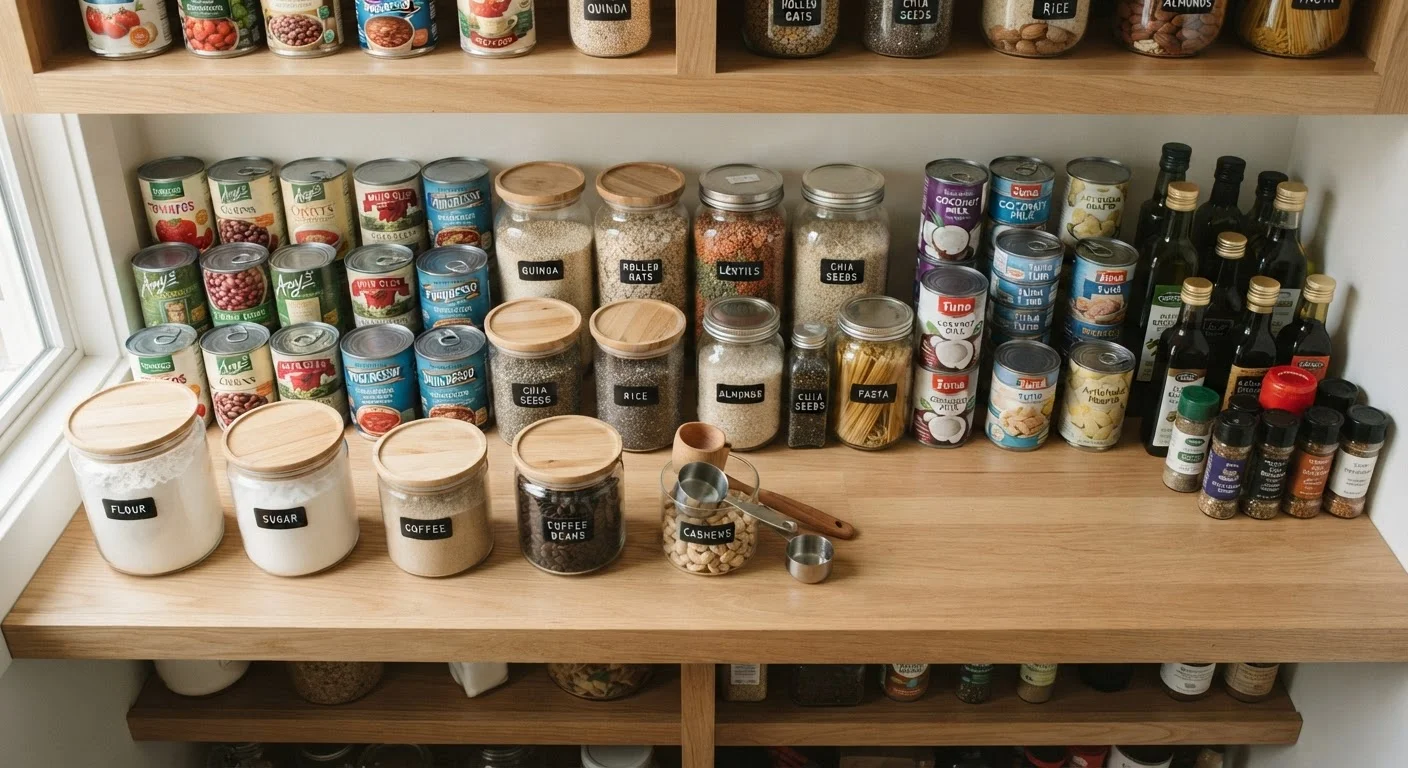
Start by auditing what you already have. A structured pantry audit can reveal patterns in what gets used and what quietly expires, which directly informs better bulk decisions going forward. Once you know your household's actual consumption rhythms, bulk purchases become targeted rather than speculative.
Pair that awareness with a consistent shopping list habit. A structured list — built around what you genuinely need — acts as a brake on impulse volume purchases. Building a weekly list that holds the budget gives a step-by-step approach that real households can follow without rigidity.
The broader principle applies well beyond pantry management. Enduring shopping habits — like tracking unit prices and maintaining a running pantry inventory — transfer to nearly every purchasing category. And if you've internalized the belief that bulk always wins, it's worth reading a closer look at common smart-shopping myths before your next warehouse run.
~40%
Food wasted per household annually in the U.S.
USDA estimates suggest American households waste roughly 30–40% of the food they purchase, much of it attributable to over-buying and poor storage habits.
$1,500+
Estimated annual food waste cost per household
The average U.S. household is estimated to discard over $1,500 worth of food each year, according to figures cited by the USDA and environmental researchers.
Getting pantry stocking right is ultimately a budgeting discipline. Resources on budgeting basics and managing everyday spending can help ground these habits in a broader financial picture.