

Key Takeaways
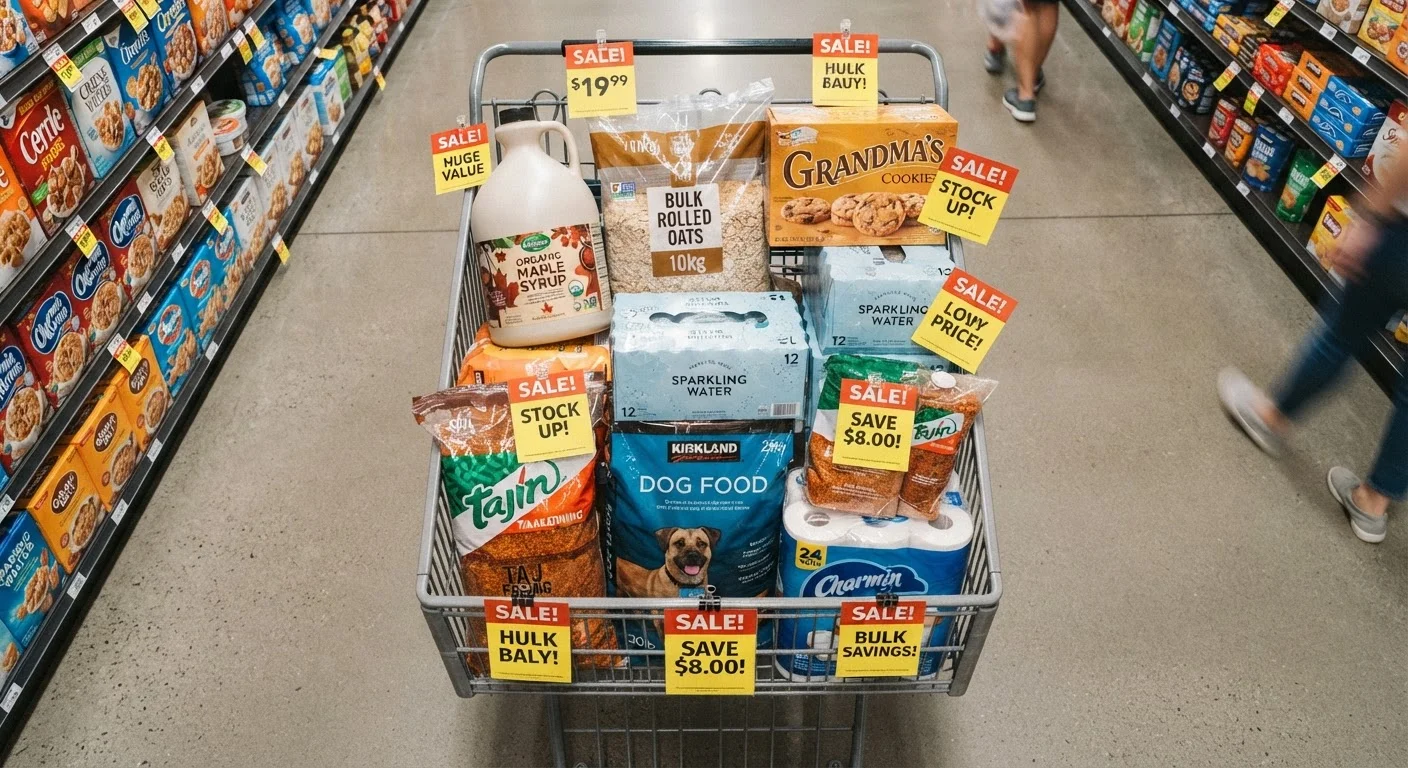
- Buying in bulk saves money only when you actually use everything before it expires or goes to waste.
- Sale prices aren't always genuine discounts — reference price inflation is a documented retail tactic.
- Online shopping isn't automatically cheaper once shipping, returns, and dynamic pricing are factored in.
- A higher price tag signals quality only in specific categories — not as a general rule.
- Loyalty programs can encourage overspending on items you wouldn't otherwise buy.
Why 'Smart Shopping' Beliefs Deserve a Second Look
Americans have absorbed a set of shopping rules that feel like common sense: buy in bulk, stock up during sales, shop online for better prices, and pay more for quality. These ideas aren't entirely wrong — but treating them as universal truths leads to real money lost. The problem isn't the rules themselves; it's applying them without the context that makes them actually work.
This article examines the most persistent shopping myths and what the evidence actually suggests you should do instead. For a broader look at habits that hold up across income levels, see our guide to durable shopping habits.
Myth
Buying in bulk always saves you money.
Fact
Bulk buying only saves money when you use everything you purchase — waste cancels out any unit-price advantage.
The per-unit cost on bulk items is often lower, which makes the math look attractive. But that calculation ignores spoilage, storage costs, and the reality that many households overbuy perishables they never finish. A family of two purchasing a 5-pound bag of produce because it was cheaper per pound than the smaller bag hasn't saved anything if half ends up in the trash. Our article on avoiding bulk-buying traps outlines how to distinguish genuine stockpiling value from costly overbuying.
Myth
If something is on sale, it's worth buying.
Fact
A sale price is only a good deal if the item would have been worth buying at full price and the discount is genuine.
Retailers routinely inflate reference prices — the 'original' price shown next to a sale tag — to make discounts appear larger than they are. This practice, sometimes called anchor pricing, is well-documented in consumer behavior research. Buying something you didn't need, or at a price that was never truly reduced, isn't a saving — it's an expense with extra steps. See what budget shoppers get wrong about sales events for a closer look at how these tactics operate.
Myth
Online shopping is always cheaper than buying in-store.
Fact
Once shipping fees, return shipping costs, and dynamic pricing are factored in, online prices aren't reliably lower than in-store alternatives.
Dynamic pricing — where online retailers adjust prices in real time based on demand, your browsing history, or location — means the same product can carry different price tags for different shoppers. Add non-free returns and shipping, and the apparent online savings can disappear quickly. Why 'online is always cheaper' isn't the whole story examines the evidence in full. The smartest approach is to compare the total cost of ownership across channels, not just the listed price.
Myth
Paying more for a product means you're getting better quality.
Fact
Price is only a reliable quality signal in specific categories — in many product types, premium pricing reflects branding more than performance.
There are categories where higher price correlates meaningfully with durability or performance — certain tools, footwear for heavy use, and some appliances are reasonable examples. But across a wide range of consumer goods, price premiums often reflect marketing, packaging, or brand prestige rather than functional superiority. Why spending more doesn't always mean getting more unpacks when paying a premium is justified and when it isn't. Blind faith in price as a quality proxy can be one of the more expensive shopping habits to maintain.
Myth
Loyalty programs always benefit the shopper.
Fact
Loyalty programs are designed primarily to increase purchase frequency and spending — the rewards rarely offset the extra money spent chasing them.
Points, rewards, and member-exclusive deals feel like free money, but they're built on the assumption that earning rewards motivates you to spend more than you otherwise would. If a loyalty program changes where you shop or what you buy in order to accumulate points, the program is working as intended — for the retailer. The math on most consumer loyalty rewards, when measured against incremental spending, is rarely as favorable as it appears. Use programs passively when they align with purchases you were already making; don't let them drive your decisions.
The Numbers Behind the Myths
Shopping myths persist because they're rooted in partial truths. Bulk buying can save money. Sales do sometimes offer genuine value. The issue is that the conditions required for these strategies to work are rarely spelled out — and retailers have little incentive to spell them out for you.
~33%
Of bulk food purchases that go to waste
The USDA estimates that roughly one-third of the food supply at the consumer level goes uneaten, suggesting bulk perishable purchases carry significant waste risk.
Up to 40%
Reference price inflation on sale items
Consumer advocacy research has found that 'original' prices on sale tags are sometimes set artificially high, making discounts appear substantially larger than the actual reduction.
Understanding how reference pricing and urgency tactics distort perceived value is a practical first step. Our companion piece on what 'sale' really means breaks down anchor pricing in detail. Similarly, value versus cheap explains why cost-per-use matters more than sticker price. And if you've ever wondered whether premium fuel is worth the extra spend at the pump, the same logic applies — see myths about premium gasoline.
The budget shopping tips hub and our coverage of saving and debt offer frameworks for applying these corrections to everyday decisions. The goal isn't to shop less — it's to shop with clearer eyes.
This article is for general informational purposes only and does not constitute financial advice. For guidance tailored to your specific situation, consider consulting a qualified financial professional.