

Key Takeaways
- Personal grooming spans hair, skin, nails, and body hygiene — each area has distinct care needs.
- Consistency matters more than elaborate routines; simple daily habits deliver the most visible results.
- Understanding your hair type and skin type helps you choose appropriate products and techniques.
- Nail hygiene is a health consideration as much as an aesthetic one.
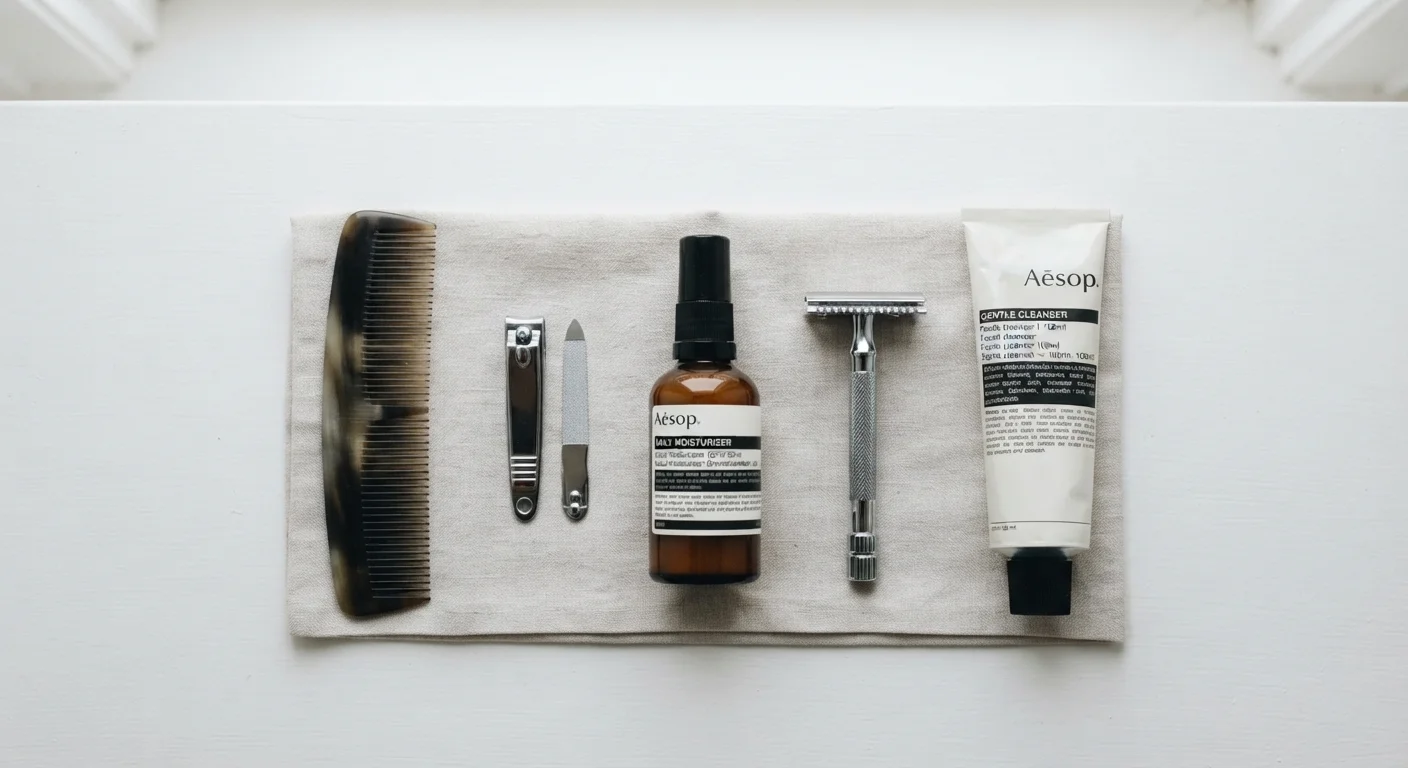
- A modest, well-chosen toolkit covers most everyday grooming needs without overwhelming complexity.
What Personal Grooming Actually Covers
Personal grooming is a broader category than most people initially realize. It encompasses everything from how you wash your hair to how often you trim your nails — and a lot in between. For a fuller breakdown of every category and why each one matters, see our companion piece on what personal grooming actually covers.
At its core, grooming includes four major zones: hair and scalp, skin and face, nails and hands, and body hygiene. Each zone has its own rhythms, tools, and terminology. The good news: you don't need a spa-level regimen to look and feel put-together. What you need is a basic understanding of each area and a handful of reliable habits.
Grooming Is Personal — Not Prescriptive
There is no single correct grooming routine. Cultural background, hair texture, skin type, lifestyle, and personal preference all shape what makes sense for each individual. The guidance in this article reflects general practices widely recognized as supportive of hygiene and health — it is not a checklist everyone must follow identically.
Hair Care: Scalp to Ends
Healthy hair starts at the scalp, which is essentially an extension of facial skin. The scalp produces sebum — a natural oil that lubricates hair strands — but overproduction or buildup can lead to greasiness or dandruff. Washing frequency is less about following a universal rule and more about your scalp type: oily scalps generally benefit from more frequent washing, while dry or coarser hair textures often do better with less frequent cleansing.
Key terms to know:
- Clarifying shampoo: A deeper-cleansing formula used periodically to remove product buildup.
- Conditioner: Applied after shampooing to smooth the hair cuticle and add moisture.
- Leave-in conditioner: A no-rinse formula that provides ongoing moisture between washes.
- Porosity: How readily your hair absorbs and retains moisture — influences which products work best for you.
Regardless of hair type, protective habits matter: minimizing heat tool use, using a wide-tooth comb on wet hair, and protecting hair from prolonged sun exposure all reduce damage over time.
Before buying a new hair product, identify your hair's porosity by dropping a clean strand into a glass of water — if it sinks quickly, your hair is high-porosity and benefits from heavier, sealing products; if it floats, look for lighter hydrating formulas.
Porosity determines how your hair absorbs and retains moisture, so matching product weight to porosity prevents buildup on low-porosity hair and dryness on high-porosity strands.
Apply moisturizer to your face and body within 60 seconds of stepping out of the shower while skin is still slightly damp — this helps trap existing moisture rather than just layering product on top of dry skin.
The skin barrier functions more efficiently when hydrated, and product applied to damp skin can be absorbed more effectively, requiring less product overall.
Skin and Face Care Basics
Facial skin care doesn't have to be a ten-step affair. A functional routine covers three fundamentals: cleanse, moisturize, and protect. Cleansing removes dirt, oil, and environmental debris; moisturizing supports the skin barrier; and daily SPF (sun protection factor) is widely considered by dermatologists to be the single most impactful anti-aging step available.
Skin type — oily, dry, combination, or sensitive — guides product selection. Harsh or fragrance-heavy products can disrupt the skin barrier (the outermost layer that keeps moisture in and irritants out), especially for sensitive skin types. Patch-testing new products on a small area of skin before full application is a simple way to avoid reactions.
90%+
Skin cancers linked to UV exposure
The Skin Cancer Foundation estimates that more than 90% of nonmelanoma skin cancers are associated with ultraviolet radiation from the sun, underscoring the importance of daily SPF.
2x daily
Recommended tooth brushing frequency
The American Dental Association recommends brushing teeth twice per day with fluoride toothpaste as a core component of oral hygiene.
Body skin care is often overlooked but follows similar principles: regular moisturizing, especially after bathing when skin is still slightly damp, helps lock in hydration. For concerns beyond general maintenance — persistent acne, rosacea, eczema, or unusual changes in skin appearance — a licensed dermatologist is the right resource. This article provides general information only and is not a substitute for professional dermatological advice.
Nail and Hand Care
Clean, trimmed nails are a hygiene baseline, not just an aesthetic choice. Nails can harbor bacteria and debris, making regular trimming and cleaning an everyday health habit. Fingernails generally grow faster than toenails and typically benefit from trimming every one to two weeks; toenails, which grow more slowly, are usually trimmed every three to four weeks — though individual growth rates vary.
Technique matters: cutting nails straight across and filing edges gently reduces the risk of ingrown nails, particularly for toenails. Keeping cuticles (the thin skin at the base of the nail) moisturized and intact — rather than cutting them aggressively — helps protect against infection. Hand cream applied regularly, especially after washing hands frequently, prevents dryness and cracking.
When to Skip DIY Nail Care
If you notice discoloration, thickening, or changes in nail texture, these can be signs of a fungal infection or other condition that warrants a visit to a healthcare provider rather than home treatment. Attempting to aggressively trim or file an ingrown toenail yourself can worsen the problem and increase infection risk — a podiatrist is the appropriate resource in those cases.
Body Hygiene Essentials
Body hygiene covers bathing habits, oral care, and odor management. Daily or near-daily bathing with a gentle cleanser keeps the skin microbiome (the community of naturally occurring microorganisms on skin) in balance without over-stripping it. The groin, underarms, and feet — areas prone to sweat and bacterial activity — benefit from careful daily cleansing.
Oral hygiene is a non-negotiable pillar of overall grooming: brushing twice daily and flossing once daily are the standard evidence-based recommendations from dental health organizations. Regular professional dental cleanings support long-term oral health in ways home care alone cannot replicate.
Deodorant versus antiperspirant is a common point of confusion. Deodorant masks or neutralizes odor; antiperspirant reduces sweat production by temporarily blocking sweat glands, typically using aluminum-based compounds. Neither is universally superior — personal preference, skin sensitivity, and activity level all factor in. Good grooming habits also connect to broader well-being; see our hub on daily health habits for the bigger picture.
Building and Maintaining a Routine
The most effective grooming routine is one that's simple enough to actually stick to. Complexity is the enemy of consistency. A practical approach is to anchor grooming tasks to existing habits: morning face wash while the shower warms up, applying hand cream after washing dishes, trimming nails on a set day each week.
If you're building a kit from the ground up, our guide to building a grooming kit from scratch walks through exactly what tools are worth having. And if you'd like to extend polished care across every dimension of your everyday appearance, the complete guide to everyday American style offers a natural complement to the habits covered here.
Start Small, Stack Habits Gradually
Rather than overhauling your entire routine at once, add one new grooming habit per week until it feels automatic. Habit stacking — pairing a new behavior with an existing one — dramatically improves follow-through. Once the basics feel effortless, you can layer in additional steps without burnout.
This article is for general informational purposes only and does not constitute medical, dermatological, or professional health advice. Consult a qualified healthcare provider for personal concerns.