

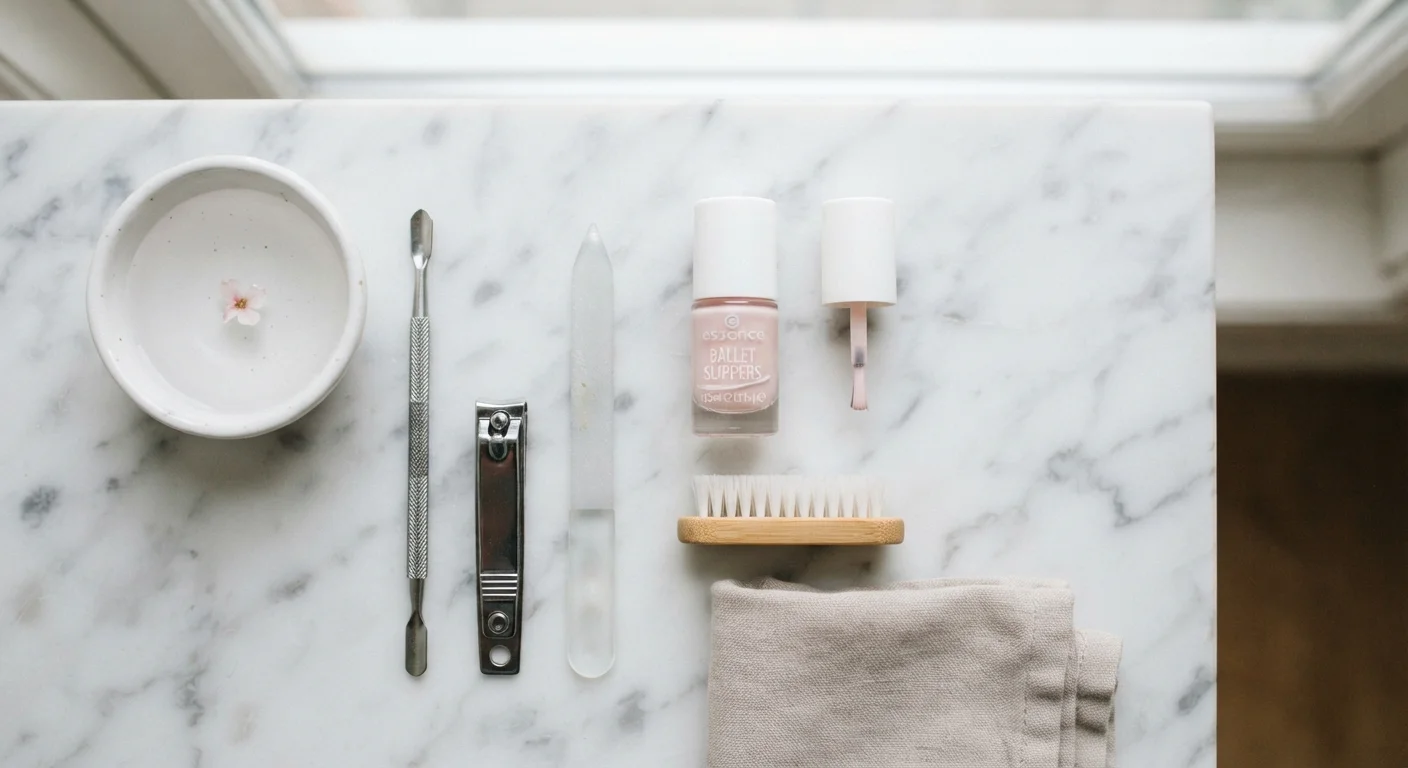
Key Takeaways
- Trimming nails straight across and filing edges prevents splits, snags, and ingrown nails.
- Pushing cuticles back gently is safer than cutting them — cutting raises infection risk.
- Moisturizing nails and cuticles regularly supports nail flexibility and prevents breakage.
- Changes in nail color, texture, or thickness can signal underlying health concerns worth discussing with a doctor.
- A consistent weekly routine takes under ten minutes and keeps nails neat year-round.
Why Nail Care Matters More Than You Think
Nails are easy to overlook until a snag catches on your sweater or a rough edge scratches your skin. But beyond aesthetics, nails are part of your overall hygiene picture — they can harbor bacteria and debris under the free edge, and neglected cuticles are a common entry point for minor infections. As part of a broader daily health habits routine, regular nail upkeep takes only a few minutes a week yet delivers outsized results in how you look and feel.
Well-maintained nails also tell you something useful about your health. Dermatologists and physicians routinely glance at nails as a window into circulation, nutrition, and systemic conditions. That makes nail care both a cosmetic habit and a small but meaningful act of self-monitoring.
~3mm
Average monthly fingernail growth
According to the American Academy of Dermatology, fingernails grow approximately 3 millimeters per month, with toenails growing about half as fast.
10 min
Time needed for a complete nail routine
Dermatologists and grooming educators generally estimate a thorough trim-and-moisturize routine takes under ten minutes when done regularly.
50%+
Nail problems linked to fungal infection
The American Academy of Dermatology notes that fungal infections account for a significant share of nail disorders seen in clinical practice.
The Essential Tools for At-Home Nail Care
You don't need a cabinet full of products — a focused kit gets the job done. Here's what's genuinely useful:
- Nail clippers: Choose a standard flat-edge clipper for fingernails and a larger, curved clipper for toenails. Replace when the blade dulls or leaves ragged edges.
- Nail file or emery board: Glass files are longer-lasting and gentler on nail edges than paper emery boards. File in one direction only to prevent splitting.
- Cuticle pusher: A rubber-tipped or orangewood pusher lets you nudge cuticles back without cutting, reducing infection risk.
- Nail brush: A small stiff-bristle brush removes debris from under nails during handwashing — simple but often skipped.
- Cuticle oil or hand cream: Any fragrance-free moisturizer helps; dedicated cuticle oils with jojoba or vitamin E are popular for targeted hydration.
For a broader look at where nail care fits in your overall grooming picture, see our complete personal grooming reference.
Store your nail tools in a small pouch and clean metal implements with rubbing alcohol between uses. Shared or uncleaned tools are a common way fungal and bacterial issues spread.
Hygiene maintenance of nail tools is frequently overlooked; contaminated clippers are a documented source of nail infections.
File nails when they're dry, not right after soaking. Wet nails are more pliable but also more prone to tearing when filed, especially on thinner nails.
Nail structure changes with hydration — filing dry nails produces a cleaner, more controlled edge with less risk of splitting.
How to Trim and File Nails Correctly
Trimming technique matters more than frequency. Follow these steps for clean, consistent results:
- Soften first: Trim nails after a shower or a brief soak — softened nails clip more cleanly and are less likely to crack or splinter.
- Clip in sections: Rather than one big cut, make two or three smaller clips across the nail to follow its natural shape. This reduces the chance of jagged edges or splits.
- Fingernails: Follow a slight curve that mirrors your fingertip. Leave a small amount of white free edge — cutting too close to the fingertip increases sensitivity and risk of ingrown nails.
- Toenails: Cut straight across rather than curved. Rounding the corners of toenails is a leading cause of ingrown toenails, particularly on the big toe.
- File after clipping: Use a glass file in one direction to smooth any rough edges. Sawing back and forth creates micro-tears that weaken the nail over time.
The One-Direction Filing Rule
Always file in a single direction — from the outer edge toward the center. Moving the file back and forth in a sawing motion generates friction that weakens the nail's layered structure over time. A few smooth, deliberate strokes in one direction are all you need to shape and smooth the edge cleanly.
Cuticle Care: What to Do (and What to Skip)
Cuticles — the thin strip of skin at the base of the nail — serve a real biological function: they seal the nail matrix (the growth zone) against bacteria and moisture. Cutting them away removes that protection, which is why many dermatologists recommend pushing rather than cutting.
What to do: After a warm soak or shower, use a cuticle pusher to gently nudge the cuticle back toward the nail base. Apply a drop of cuticle oil or cream afterward to keep the skin supple.
What to skip: Cutting live cuticle tissue. Hangnails — the small, torn flaps of skin at the nail's side — can be carefully snipped with sharp cuticle scissors, but only the dead, detached portion. Pulling or ripping hangnails tears deeper into live skin.
Don't Cut Live Cuticle Tissue
Removing the full cuticle — as sometimes done in certain salon services — breaks the protective seal at the nail base. This can leave the nail matrix exposed to bacteria and increase the chance of a painful infection called paronychia. If redness, swelling, or pus develops around a nail, see a healthcare provider rather than attempting home treatment.
If you're weighing whether to handle advanced nail treatments yourself or visit a professional, our comparison of at-home grooming vs. professional salon services can help you decide.
Nail Health: Spotting Common Problems
Healthy nails are generally smooth, consistent in color, and firmly attached to the nail bed. Variations worth noting include:
- White spots: Usually caused by minor trauma to the nail matrix — common and harmless. They grow out on their own.
- Yellowing: Can result from prolonged use of dark nail polish without a base coat, but persistent yellowing with thickening may warrant a conversation with a healthcare provider.
- Pitting or ridging: Horizontal ridges (Beau's lines) can reflect past illness or stress; vertical ridges are common with age and generally benign. Significant pitting is associated with certain skin conditions.
- Separation from the nail bed (onycholysis): The nail lifts away from the underlying skin — causes range from trauma to fungal infection to thyroid issues. A clinician should evaluate persistent cases.
When to See a Doctor About Your Nails
Nail changes are sometimes the first visible sign of a systemic condition — including thyroid disorders, psoriasis, fungal infections, and in rare cases, more serious issues. If a nail change is persistent, spreading, painful, or accompanied by other symptoms, do not wait it out. A dermatologist or primary care physician can evaluate what's happening and recommend appropriate care.
This article is for general informational purposes only and does not constitute medical advice. If you notice persistent changes in your nail color, shape, or texture, consult a qualified healthcare professional.
Building a Simple Weekly Nail Routine
Consistency beats intensity. A realistic weekly habit looks like this:
- During every shower
- Use a nail brush to clear debris from under nails while washing hands.
- Once or twice a week
- Apply cuticle oil or hand cream, focusing on the nail base and surrounding skin.
- Every one to two weeks
- Trim fingernails as needed and file any rough edges. Toenails grow more slowly — every three to four weeks is usually sufficient.
- As needed
- Address hangnails promptly with clean scissors rather than tearing. Keep a small file on hand to smooth unexpected snags.
If you're just starting to build this habit and want a stripped-back starting point, our no-fuss nail care guide is a helpful first step. For a more complete head-to-toe grooming framework, explore our personal grooming reference.
American Academy of Dermatology — Nail Health Tips
The AAD offers evidence-based public guidance on nail care, common nail disorders, and when to seek professional evaluation — a reliable first reference.
At-Home vs. Professional Grooming: Knowing When Each Makes Sense
Helps you decide which nail and grooming tasks are genuinely safe to handle at home versus when a professional appointment is the smarter call.