

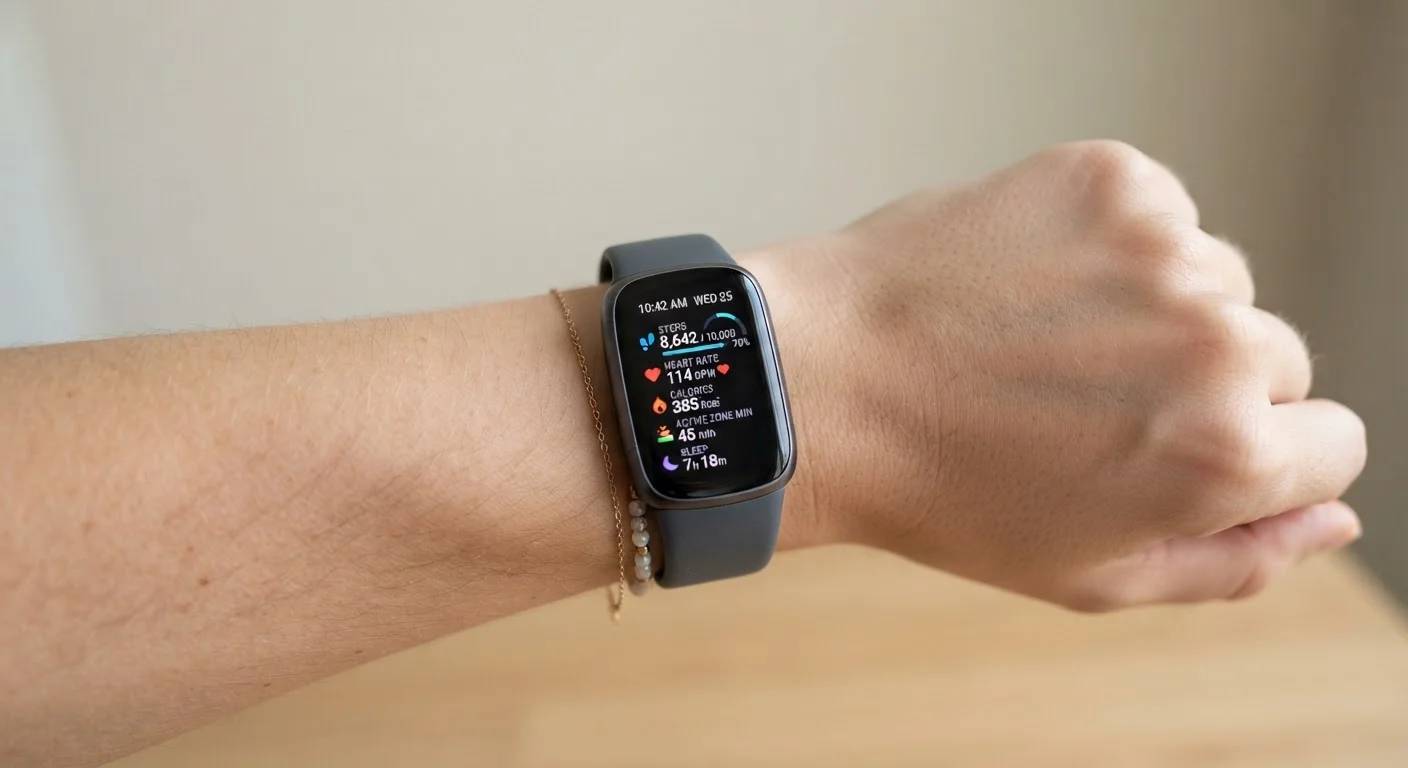
Key Takeaways
- Phone compatibility is the most commonly overlooked factor — check it before anything else.
- Battery life claims from manufacturers are based on ideal conditions; real-world usage is typically shorter.
- Heart rate, sleep, and step counting all have measurable accuracy limits that vary by device.
- Water resistance ratings differ significantly; "splash-proof" is not the same as swim-proof.
- Ecosystem lock-in can make switching devices costly — understand what data you'll own.
Summary
18 items · 20–35 minutes
Why a Checklist Beats Impulse Buying
Fitness trackers look similar on the shelf but behave very differently once you're wearing one daily. A device that tracks the wrong metrics, drains in two days, or refuses to sync with your phone isn't a fitness tool — it's a frustration. Working through a structured checklist before you commit takes less than half an hour and protects you from buyer's remorse.
If you're still deciding whether a dedicated fitness tracker is even the right category for you, our guide comparing smartwatches and fitness trackers can help you narrow that down first. And if you're brand new to wearables entirely, start with a starter map of the wearable tech landscape before diving into specs.
Below you'll find every meaningful question to ask, organized into groups so you can move through them systematically.
Your smartphone (iOS or Android)
Needed to verify OS compatibility and test companion app availability before purchasing.
Manufacturer's product page
The primary source for confirmed specs: sensor list, water resistance rating, battery life, and compatibility requirements.
Your health or fitness app accounts
Check which third-party integrations are supported so your new tracker syncs with platforms you already use.
A flexible tape measure
Measure your wrist circumference to compare against the device's listed band size range before buying.
The Full Pre-Purchase Checklist
Run through each group in order. The items marked must are non-negotiable for a functional experience; should items prevent common frustrations; nice to have items are worth considering if two devices are otherwise equal.
Compatibility & Ecosystem
Sensor Set & Tracking Accuracy
Battery Life
Water & Durability Resistance
Comfort, Fit & Wearability
Software, Privacy & Support
Don't Confuse Water Resistance Ratings
Terms like "splash-proof," "sweat-resistant," and "waterproof" are not interchangeable — and manufacturers don't always use them consistently. Always look for the specific ATM or IP rating in the technical specifications section, not the marketing copy. A device rated 1 ATM should not be worn swimming, even if the product description calls it water-resistant.
Keep in mind that fitness trackers measure estimates, not clinical readings. For a plain-language breakdown of where sensor accuracy holds up and where it doesn't, see our article on what fitness trackers actually measure. Understanding the limits upfront helps you set realistic expectations for any device you choose.
Making Your Final Call
Once you've worked through the checklist, you should have a short list of devices that genuinely fit your phone, your wrist, your activities, and your budget. If you're still weighing broader wearable options, the checklist for committing to any wearable device covers ecosystem lock-in and sensor sets in more depth.
For those who exercise with audio gear as well, choosing running earbuds follows the same spec-first thinking applied here. And if this purchase needs to fit into a broader budget plan, budgeting basics offers a practical framework for deciding how much to allocate before you shop.
A fitness tracker is only useful if you actually wear it — so the right device is the one that fits seamlessly into your life, not the one with the longest spec sheet.
Fitness Trackers Are Not Medical Devices
Consumer fitness trackers provide estimates based on optical sensors and motion data. They are not certified medical instruments and should not be used to diagnose, monitor, or manage any health condition. If you have a specific health concern — such as a heart condition or sleep disorder — consult a qualified healthcare professional about clinically validated monitoring options rather than relying on a consumer wearable.