

Key Takeaways
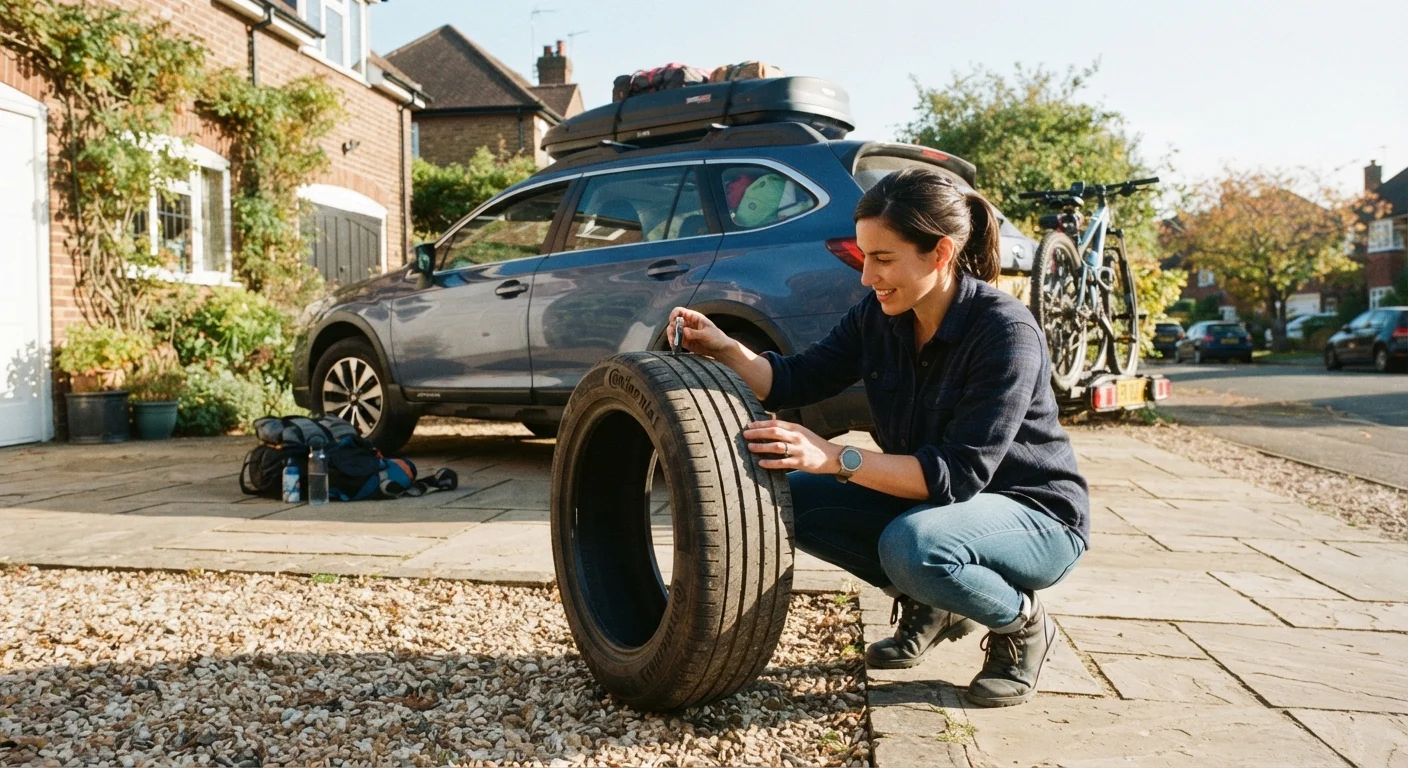
- Tire pressure and tread depth are among the most overlooked pre-trip checks - both affect handling and blowout risk.
- Fluid levels including oil, coolant, and brake fluid should be verified before any long drive.
- All exterior lights must work properly; a burned-out brake light is both a safety hazard and a traffic violation.
- Brake feel and response should be tested in a safe area before you reach highway speeds.
- Packing a basic roadside emergency kit adds a critical layer of protection for any trip.
Summary
22 items · 20-45 minutes
Why a Pre-Trip Check Is Worth 30 Minutes of Your Time
Most roadside breakdowns aren't random bad luck - they're the result of a problem that was already present before the driver left home. Tires losing air slowly, brake fluid running low, a tail light burned out for weeks: these are the kinds of issues a quick walkthrough catches before they strand you somewhere between exits.
This checklist is designed for everyday drivers, not mechanics. You don't need special tools for most items here - just your eyes, your hands, and a few minutes of attention. For anything that looks wrong or uncertain, have a qualified mechanic take a look before you go. A pre-trip inspection is also a good time to review what your dashboard warning lights mean so you're not guessing if something lights up mid-drive.
Work through the checklist below the night before departure when possible. That gives you time to address any issues without a rushed morning scramble.
Tire pressure gauge
Accurately measures PSI in each tire so you can inflate to the correct specification.
Penny or tread depth gauge
Used to check whether tread depth has worn below a safe threshold.
Flashlight or work light
Illuminates the engine bay, undercarriage, and tire sidewalls for a thorough visual inspection.
Owner's manual
Specifies correct fluid types, locations, and capacities specific to your vehicle.
Jumper cables or portable jump starter
Allows you to restart a dead battery without waiting for roadside assistance.
The Full Pre-Trip Vehicle Safety Checklist
Run through each group in order. Items marked must are non-negotiable safety checks. Should items are strongly recommended for longer trips. Nice to have items add extra peace of mind without being critical.
Tires
Fluids
Brakes and Steering
Lights and Visibility
Under the Hood and Belts
Emergency and Documentation
Don't Skip the Brake Check Before Highway Travel
Brakes that feel acceptable around town may show problems at highway speeds or when hauling extra weight. Always do a low-speed brake test in your neighborhood before merging onto the interstate. If the pedal feels spongy, sinks toward the floor, or the car pulls hard to one side, do not drive until a mechanic has inspected the system.
If your vehicle has been sitting for an extended period or is approaching a scheduled service interval, consider checking routine maintenance milestones to confirm nothing is overdue before a long haul.
What to Do if You Find a Problem
Discovering an issue the night before a trip is far better than discovering it at 70 mph. For minor items - a low washer fluid reservoir, a slightly underinflated tire - you can address them yourself. For anything involving brake feel, unusual noises, a warning light, or a fluid that looks contaminated or critically low, have a mechanic inspect it before you leave. Don't assume it will hold for the trip.
Never Delay on Brake Fluid or Coolant Issues
A critically low brake fluid level can indicate a leak in the hydraulic system - not just normal consumption. Similarly, a coolant level that drops between checks often signals a leak or a failing gasket. Both conditions can result in brake failure or engine overheating at highway speed. If either fluid is significantly low or you can't identify where it went, have the vehicle inspected by a qualified mechanic before the trip, not after.
It's also worth reviewing what a check engine light actually signals - some causes are minor, but others indicate conditions that can worsen quickly under highway load.
Once you're confident the vehicle is road-ready, make sure you're also carrying the right supplies. See what to keep in your car for roadside emergencies for a practical kit rundown. Finally, your preparation doesn't stop at the vehicle - consistent safe driving habits are what keep a well-maintained car out of trouble once you're on the road.