

Key Takeaways
- Décor fatigue is normal - most rooms benefit from a refresh every few years.
- You don't need a full renovation to make a space feel current and cohesive.
- Small, low-cost changes to textiles, lighting, and accessories often have the biggest impact.
- A room that no longer reflects how you live is a clearer signal than visual trends alone.
- Identifying specific problem areas before spending money saves time and reduces waste.
Summary
18 items · 20-40 minutes
How to Know It's Time for a Décor Refresh
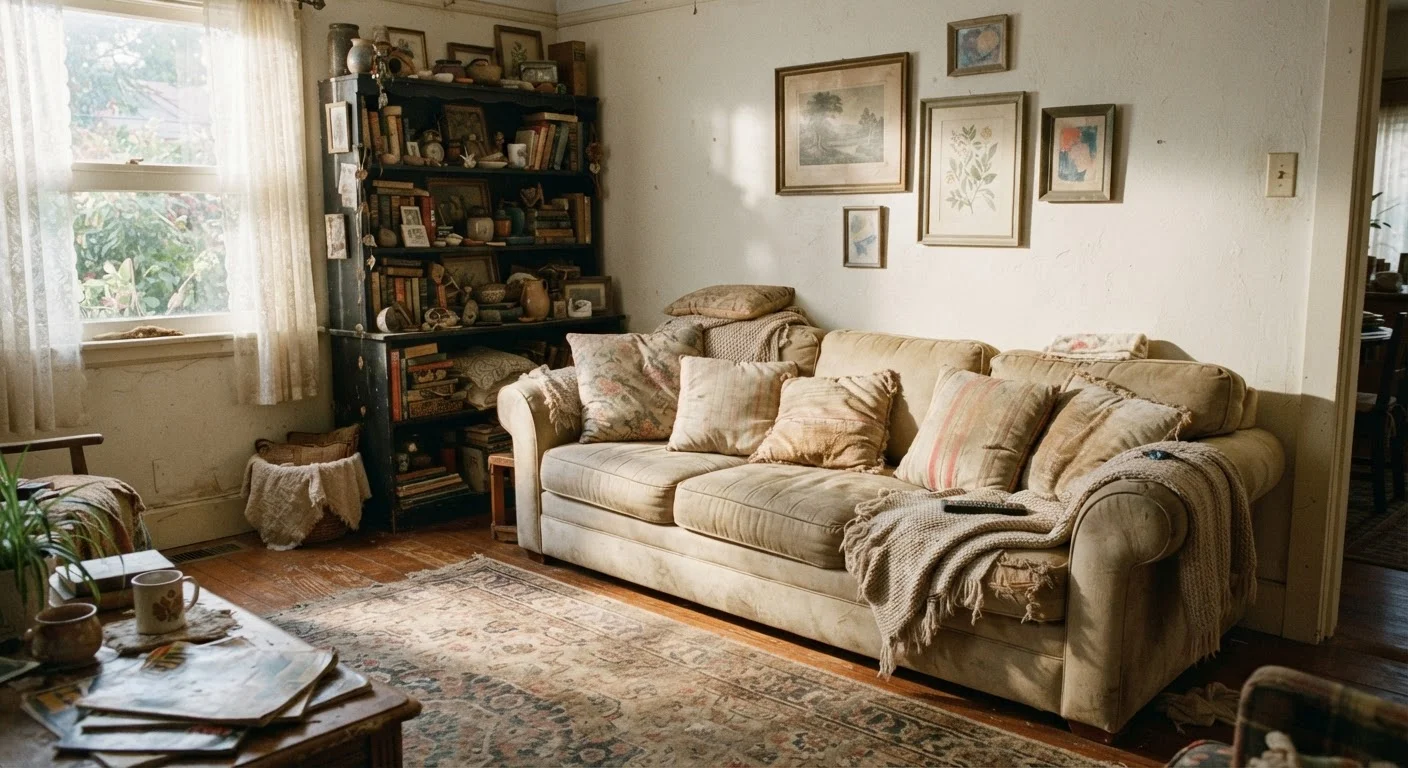
Most rooms don't announce when they've stopped working - they just start to feel off. The throw pillow colors that once felt fresh now look tired. The gallery wall you carefully arranged seems random. You find yourself mentally redecorating every time you walk in. These are signals worth paying attention to.
This checklist helps you audit your space room by room, spotting the signs that a style has run its course - and identifying where to focus your energy first. You don't need a designer or a large budget. You need a clear eye and a framework for deciding what stays, what goes, and what simply needs rearranging.
If you're renting, the same logic applies with a few extra constraints. Our guide to redecorating a rental walks through what you can realistically change without risking your deposit.
Visual Coherence
Functional Fit
Accessories and Accents
Personal Alignment
Condition and Wear
What to Do Once You've Spotted the Signs
Running through this checklist will likely reveal a pattern: a few concentrated problem areas rather than every room needing work at once. That's useful information. It means you can prioritize rather than overhaul.
Before spending anything, take a full inventory of what you already own. Furniture rearranged, accessories edited down, and textiles swapped can solve more than most people expect. If you've identified that your room lacks personality rather than just looking dated, you might also be dealing with something subtler - the gap between rooms that photograph well and rooms that feel lived-in is worth understanding before you buy anything new.
When you are ready to bring in new pieces, secondhand sources are often the most cost-effective way to shift a room's character without committing to a full style overhaul. Thrifted and vintage pieces can elevate a room without looking mismatched when chosen thoughtfully.
Finally, if you're unsure what overall direction you want to move toward, comparing a handful of well-defined aesthetics side by side can make the decision easier. Our overview of popular decorating styles breaks down four common approaches to help you identify what resonates.
Don't Renovate Before You Edit
Many rooms that feel broken simply have too much in them. Before spending money on new furniture or paint, remove at least a third of your displayed accessories and live with the edited version for a week. You may find the room already feels more intentional - and you'll have a much clearer sense of what's actually missing versus what was just adding noise.